 Skip to content


Updated 14 October 2026: expanded with practical context and refreshed information. Original publication date retained.
Thanks to one woman’s vision and dedication, it has now become possible – Tebogo Ditsebe has succeeded in enticing the earth to yield grapes of lush body and flavour. Ditsebe's journey adds a farming perspective to the achievements of South African businesswomen.
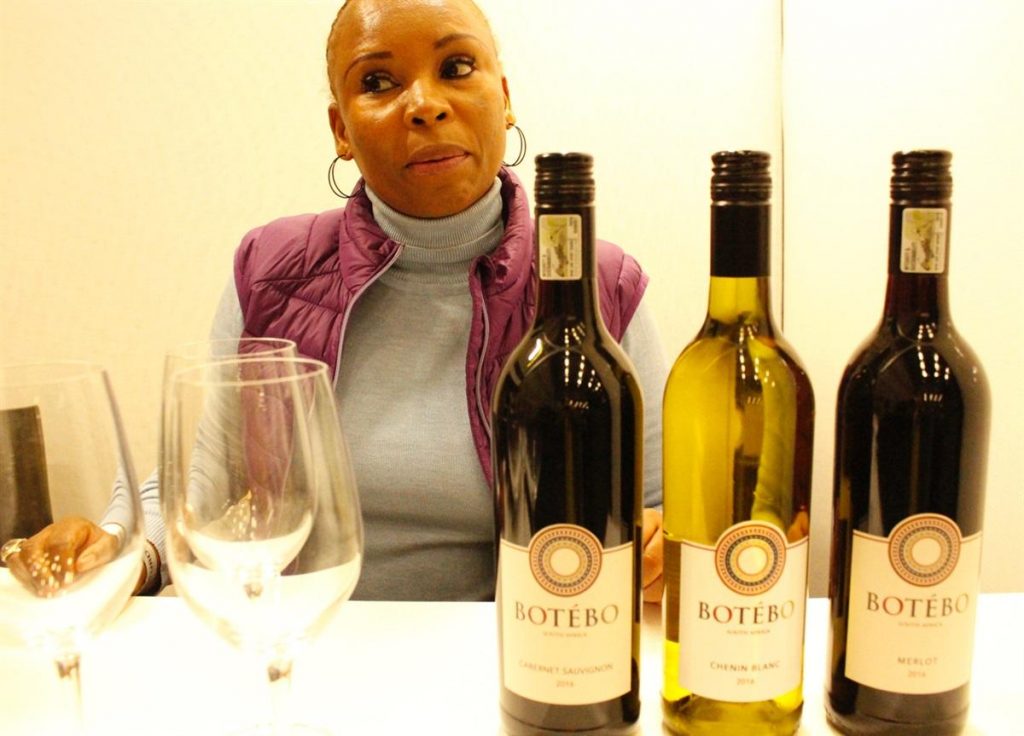
It is this fullness of flavour that more and more wine lovers are discovering for themselves, in the wines of Botébo.
From An Old-School Farm To A Farming Conglomerate: The Inspirational Story of ZZ2
9 Interesting Facts You Didn’t Know About Tebogo Ditsebe
01. She Was Forced To Grow Up Quickly
While attending a Catholic boarding school, she fell pregnant, she was forced forced to grow up quickly, become responsible, and also fight the many stigmas attached to teenage mothers whilst trying to get back on her feet.
How Natasha Sideris Created tashas, South Africa’s Premium Restaurant Chain
02. Obtained A Qualification From UCT
She matriculated from Mariasdal High School in 1987, then 6 years later obtained a post-graduate diploma in business management at UCT in 1993.
03. She Owned A Consultancy Training Firm
Before she ventured into farming full time, she ran a consultancy training firm in Kimberley which wasn’t doing well.
How The Harsh Treatment of An Orphan Led To Levi Mnguni Becoming A Multimillionaire
04. Her Farming Interest Was ignited In Bloemfontein
In 2001, she needed a place of quiet and calm to clear her head after experiencing some personal hardship.
A friend, the late Herman Galaman, invited her and her children to stay on his plot in Bloemfontein.
The plot was home to a couple of animals, and Ditsebe undertook a few light duties on the farm, this is where her interest in agriculture was ignited. Vuk'uzenzele's profile of Ditsebe reports on her farming and winemaking journey.
How A Rivalry Led To The Formation of SA’s Favorite Pasta Brand, Fatti’s & Moni’s
05. Received A Lifetime Opportunity In 2011
Seeing her growing interest in farming, Galaman offered to sell her his 48-hectare wine farm. Producing consistently from agricultural ingredients is also central to All Gold's long-running success story.
“I didn’t hesitate,” she said. “I used to own a consultancy training firm in Kimberley which was not doing well. So, when the opportunity to buy a farm came along, I grabbed it with both hands.”
06. Department of Rural Development and Land Reform Helped Her With Funding
She then approached the Department of Rural Development & Land Reform for financial assistance to acquire the wine farm, which she eventually got after going through a lengthy process until a 10-year lease agreement with was signed in 2013 under the PLAS(Proactive Land Acquisition Strategy)
7 Interesting Facts You Didn’t Know About MoyaApp
07. Produced Her First Harvest In 2014
Ditsebe produced her first ever harvest in 2014 — the harvesting usually starts with white cultivars from the middle of January until the end of February. The red cultivars are ready for harvesting by mid-March.
08. She Won The Agro-Processing Funding Programme

In 2018, she was overall winner of the Agro-Processing Funding Programme run by the Free State Department of Economic, Small Business Development, Tourism and Environmental Affairs and was awarded R450 000 worth of equipment.
Instagram Challenge To A 6 Figure Business: How Musi Modikwe Grew Musi Atchar
09. She launched Botébo Wines In 2015

Ditsebe launched her wine range, Botébo Wines, in 2015 after paying great attention to the design of the wine label.
Botébo is a Sotho word meaning depth. The name is also testimony to her own depth as a woman who overcame adversity and challenges in life.
The Botébo range curently comprises Chenin Blanc, Rosé, Merlot and Cabernet Sauvignon — all of which are sold online. Readers interested in wine-country travel can explore our guide to small towns in the Western Cape.
sowetanlive
FoodForMzansi
farmersweekly

The agricultural work behind the Botébo label
Vuk'uzenzele's July 2019 profile documents Tebogo Ditsebe's vineyard and wine label and reports equipment support received in 2018. Those are historical milestones. The farm size, staffing and expansion ambition in that profile should not be presented as a new October 2026 operating census.
The business combines agricultural production with processing and a branded product. A vineyard's seasonal work does not align neatly with the timing of bottled-wine sales. Plant care, harvest, winemaking, packaging and distribution can each require cash before the finished product is paid for.
For an emerging producer, map those stages and their costs separately. A funding award for equipment may improve capacity while leaving other needs, such as labour or distribution, unresolved. Define what a grant covers rather than assume it funds the whole operation.
The practical lesson is to link production planning with a route to customers. A compelling label can communicate the founder's identity, but availability, quality and payment timing support the commercial model. That adds substance to the biography without turning an ambition into an achieved result.
Source and further reading: The agricultural work behind the Botébo label — reference.


