 Skip to content


Updated 14 October 2026: expanded with practical context and refreshed information. Original publication date retained.
The app’s original load-shedding purpose should be understood alongside changing electricity conditions. Its usefulness is not evidence that outages must continually worsen. Related context: Rain’s telecommunications business.
No one likes loadshedding, that’s an obvious one, but if ever there’s one thing that’s even worse than loadshedding, has to be a surprise loadshedding.

It was this sort of thinking that inspired two colleagues, Herman Maritz and Dan Wells to develop EskomSePush, an application that allows South Africans to view what areas will be affected by power outages on that specific day.
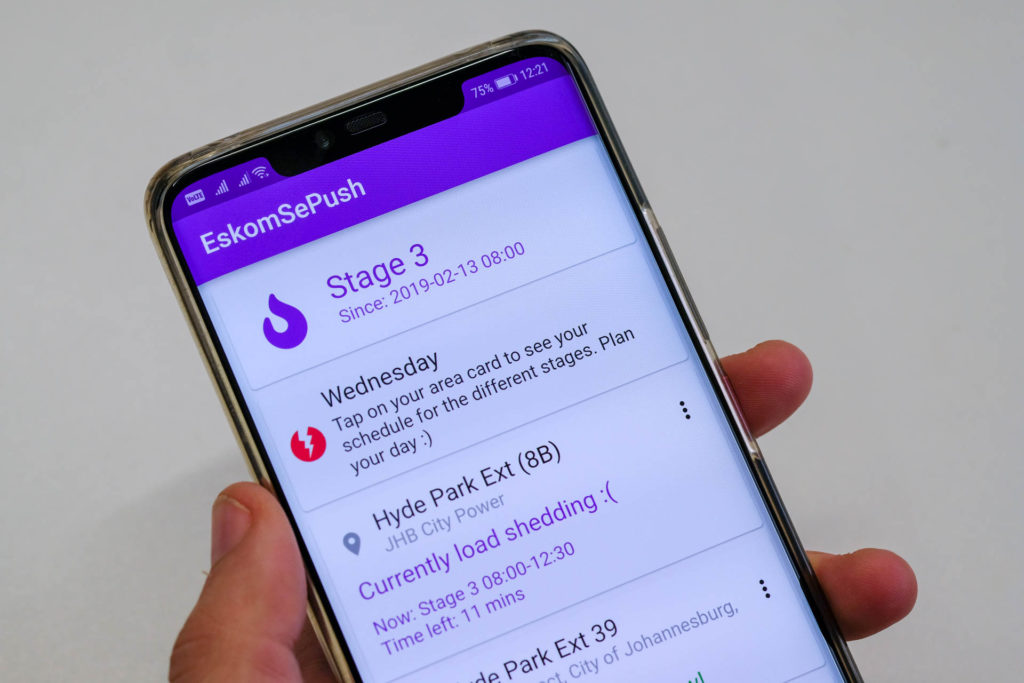
During loadshedding, the app alerts users to upcoming rounds of load shedding in their areas, and also gives a detailed breakdown of what each of the stages mean.
10 INTERESTING FACTS YOU DIDN’T KNOW ABOUT ESKOMSEPUSH
01. Founded As A Side Project
While working in the commerce sector developing banking apps, Herman Maritz and Dan Wells joined forces to develop a loadshedding app that was gonna make their lives easier during December holidays.
In January 2022, Herman announced that he had quit his full-time job to focus on developing EskomSePush.
02. The Development of The App Was Inspired By Notification Service, PushBullet

Back in 2014, Maritz and Wells were using PushBullet notifications to notify themselves, their friends and families when Eskom would cut power. MyBroadband’s interview with the developers traces EskomSePush to a side project begun while they were building banking apps.
So when they decided to develop EskomSePush, the idea was to create a simple push notification service similar to Pushbullet, which collected schedules from municipalities across the country, and served clear location-relevant information when loadshedding was impending.
03. The Name Was Inspired By Conference Calls Talking About Push Notifications
The name ‘EskomSePush’ was in part inspired by conference calls talking about push notifications.
“Some of these meetings had folks with Afrikaans accents and the word ‘Push’ always made our day.”
“The name was definitely inspired by some of those banking folks. But to put it simply put, it’s Push Notifications for Eskom, EskomSePush.”
04. Has Millions of Users During Loadshedding Nightmares
“When we launched the first version of the app in 2015, we had over 100 000 active users in six weeks — and peaked at around 250 000 active users before load shedding was suspended later that year,” For another entrepreneur who built digital products, see Vinny Lingham’s technology ventures.
The earlier profile described the app’s growth from its 2015 beginnings. Its older user total belongs to that reporting stage, not a new count for this update.
05. Won Two MTN App Awards

In August 2015, EskomSePush scopped the award in the ‘Best Breakthrough Developer App’ category, and also the ‘People’s Choice’ category at the annual MTN’s Business App of the Year Awards.
06. Launched ‘Nearby Chat’ After Finding It Difficult To Respond To Emails
EskomSePush had an ’email us’ button, which received around 8 emails per minute, making it impossible for the two-man team to respond to all the email requests.
As a result, a ‘Nearby Chat’ feature was added to the app, the feature allows EskomSePush users to converse with other in their areas, and keep them informed on what’s happening around them.
07. Some People Tried Buying The App
The two have received requests from people who wanted to buy the app, but most were just trying their luck.
According to Maritz, they prefer an investment whereby they could still run the app, while a partner helps with running the operations. Commercialising a useful digital service can also be compared with Karooooo’s software growth.

eBook: 50 South African Entrepreneurs Reveal HOW THEY MADE IT

From load-shedding alerts to a community information tool
ESP's current site presents the app around load-shedding and community information, with area alerts and local updates. That broader description is more useful than assuming the business depends on power cuts becoming worse indefinitely. The original founder figures describe earlier periods of demand.
An alert service must distinguish the underlying schedule from what is actually happening locally. Planned switching, an unscheduled fault and information shared by nearby users are different kinds of data. Readers should understand the source and timing of an update before treating it as a confirmed utility notice.
For founders, the case shows how a narrow repeated inconvenience can lead to a useful product. Start with the action a user needs to take, then design the information and notification around it. Adding features should solve an identified problem rather than make the interface busier.
Useful measures include recurring use, timely alerts and the cost of supporting the service. A peak user count during a crisis is not the same as stable year-round demand. Keeping that distinction clear helps explain how a practical app evolves after its original trigger changes.
Source and further reading: From load-shedding alerts to a community information tool — reference.


