Skip to content
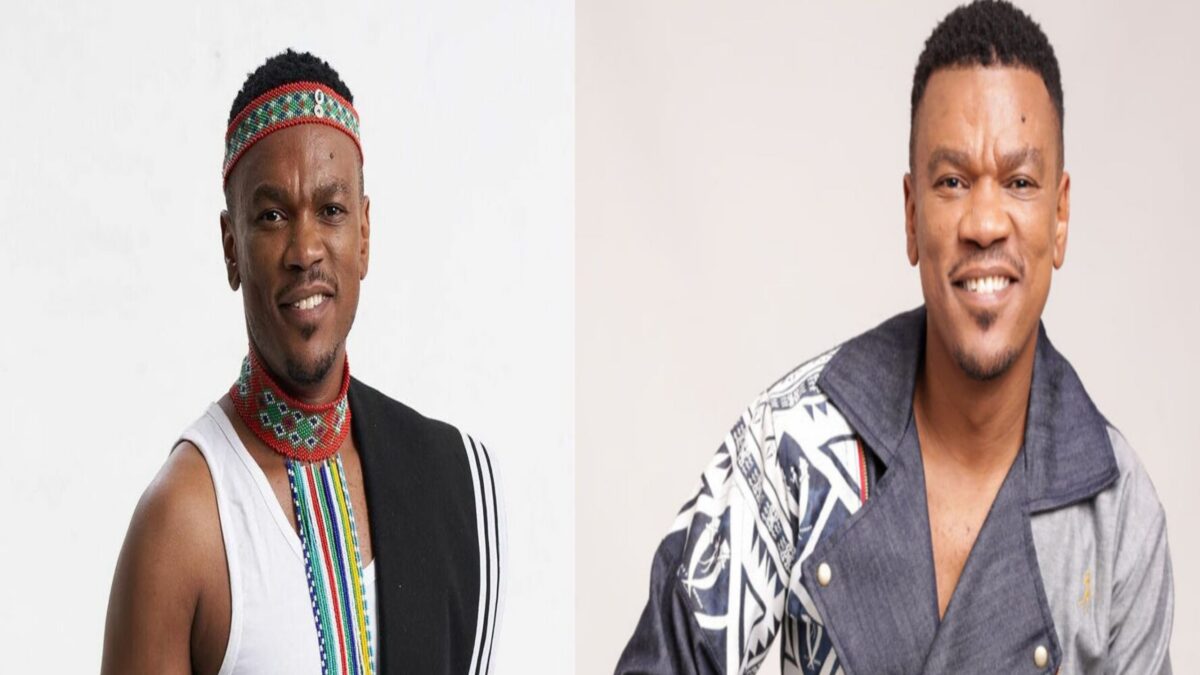
Zwai Bala’s net worth, estimated at R30 million, underscores his stature as a South African music legend. A single hit, Dlala Mapantsula with TKZee, sold over 200,000 copies in 1997, raking in millions. This Johannesburg-based composer, singer, and producer, known for his kwaito roots and choral mastery, has shaped the nation’s soundscape for decades.
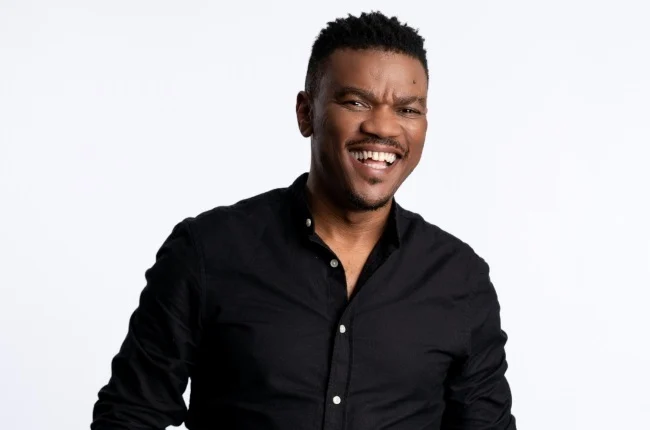
His journey, from Soweto’s vibrant streets to global stages, blends talent with tenacity. Bala’s story isn’t just about chart-topping tracks. It’s about crafting a lasting legacy in a dynamic industry. This article explores his rise, earnings, and influence, revealing the maestro behind the melodies.
Background and Early Life
Growing Up in Soweto
Zwai Bala was born on February 15, 1975, in Soweto, Johannesburg, South Africa. The township, a cultural crucible, pulsed with music and resilience during his childhood. Raised in a musical family, Bala was immersed in sound from an early age. His mother, a choir singer, and father, a community organizer, nurtured his talent despite apartheid’s constraints.
Soweto’s energy shaped Bala. He sang in church, harmonizing with local choirs by age eight. His exposure to kwaito, a burgeoning genre blending house and African rhythms, sparked his creative fire. Poverty was a constant, but music offered hope, a path he’d soon follow.
Education: A Musical Foundation
Bala’s talent earned him a spot at St. Stithians College, a prestigious Johannesburg school, on a music scholarship. He excelled in choral and classical studies, mastering piano and voice. His teachers, recognizing his gift, encouraged formal training. By 16, he was composing for school events, blending Western and African styles.
After matriculating in 1993, Bala studied music at the University of the Witwatersrand, focusing on composition. He left before graduating, drawn to the kwaito boom. His education, though incomplete, gave him technical skills, setting him apart in a genre driven by raw energy.
Early Influences
Bala drew inspiration from South African icons like Miriam Makeba, whose global reach showed music’s power. American R&B groups like Boyz II Men influenced his vocal arrangements. His brothers, Loyiso and Phelo, also musicians, formed a creative triangle, pushing each other. Soweto’s kwaito pioneers, like Boom Shaka, ignited his ambition to innovate.
Career and Business Ventures
Early Career: TKZee’s Rise
Bala’s career ignited in 1996 when he co-founded TKZee, a kwaito trio with Tokollo Tshabalala and Kabelo Mabalane. Their debut single, Dlala Mapantsula, released in 1997, was a sensation, selling 200,000 copies. The track, blending kwaito beats with catchy hooks, dominated radio. Their album, Halloween (1998), went triple platinum, selling 300,000 units.
TKZee’s success was meteoric. Hits like Shibobo, tied to the 1998 World Cup, and Palafala became anthems. The group sold over a million records, earning R10 million in royalties by 2000. Bala’s choral flourishes and production elevated TKZee above peers, making them kwaito’s gold standard.
Solo Ventures and Production
After TKZee’s peak, Bala pivoted to solo work. His 2000 album, Bala, mixed R&B and gospel, selling 50,000 copies. While less explosive than TKZee, it showcased his versatility. He focused on production, working with artists like Lebo Mathosa and Zola. His studio, based in Johannesburg, became a hub for new talent.
Bala’s choral compositions gained acclaim. In 2005, he scored U-Carmen eKhayelitsha, a film that won the Berlin Film Festival’s Golden Bear. His work for theatre, like Sarafina!, toured globally, earning R2 million. By 2010, he was a go-to composer for events like the FIFA World Cup opening ceremony.
Television and Media
Bala’s charisma led to media roles. He judged SA’s Got Talent in 2010, earning R1 million per season. His appearances on Idols SA as a guest mentor boosted his profile. He hosted radio shows on YFM, connecting with younger audiences. These gigs, while secondary, added millions to his income.
Business Ventures: Beyond Music
Bala’s entrepreneurial streak shines. He co-owns a Johannesburg recording studio, generating R500,000 annually. His music publishing company, handling TKZee’s catalog, earns royalties from streaming platforms like Spotify. He’s invested in a Soweto restaurant, a nod to his roots, though it’s a modest venture. Bala’s brand, tied to kwaito’s legacy, attracts corporate gigs, like composing for MTN campaigns, worth R1 million each.
How They Got Rich
TKZee’s Golden Era
Bala’s wealth stems from TKZee’s dominance. The group’s million-plus album sales, at R50–100 per unit, generated R20 million in royalties, split three ways. Halloween alone earned Bala R5 million. Concerts, charging R200,000 per show, added millions. TKZee’s peak, 1997–2002, accounted for 50% of his net worth.
South Africa’s music industry, worth R2 billion annually, rewarded hits. TKZee’s crossover appeal, reaching urban and township fans, maximized sales. Bala’s production role ensured higher royalty shares, amplifying earnings.
Production and Composing
Bala’s production work was lucrative. Producing for Lebo Mathosa and others earned R100,000 per project. His film and theatre scores, like U-Carmen, netted R1–2 million per gig. High-profile events, such as the 2010 World Cup ceremony, paid R3 million. These projects, spanning two decades, built steady income.
Media and Endorsements
Television roles bolstered Bala’s wealth. SA’s Got Talent and radio gigs earned R2 million combined. Endorsements with brands like Coca-Cola and Vodacom, leveraging TKZee’s fame, added R1 million yearly. His choral work for corporate events, like bank galas, commanded premium fees, contributing 20% of his wealth.
Economic Context
Bala thrived in post-apartheid South Africa. The 1990s kwaito boom, fueled by cultural freedom, created stars. TKZee’s timing, aligning with national pride, drove sales. The digital era, with streaming revenue, revived TKZee’s catalog, earning Bala R500,000 yearly. His shift to film and events capitalized on South Africa’s growing creative economy.
Zwai Bala’s Net Worth
Zwai Bala’s net worth is estimated at R30 million as of 2025, roughly $1.6 million. This figure, based on music, production, and media earnings, reflects his 30-year career. Exact numbers are unavailable, as Bala keeps finances private. A 2020 estimate pegged his wealth at R25 million, suggesting growth from recent projects.
His net worth includes R10 million from TKZee, R10 million from production and composing, and R5 million from media and endorsements. Assets, like his studio and home, add value. Compared to kwaito peers like Mandoza (R20 million at his peak), Bala’s wealth is strong for a non-solo star. The average South African musician earns R15,000 monthly, highlighting his success.
Estimates vary—some claim R28 million—due to unreported royalties. His Johannesburg lifestyle, with a stylish home and cars, supports the R30 million figure.
Investments, Assets, and Philanthropy
Assets: A Creative Life
Bala’s assets reflect his success. His Johannesburg home, likely in Melville, is valued at R6 million. His car collection, including a BMW X5 seen in 2023, totals R2 million. A Soweto apartment, kept for family ties, is worth R1 million.
Investments: Music-Focused
Bala’s investments center on music. His recording studio, a state-of-the-art facility, generates R500,000 yearly. His publishing company, owning TKZee’s rights, earns streaming royalties. The Soweto restaurant, while small, adds R200,000 annually. He avoids risky ventures, prioritizing creative control.
Philanthropy: Nurturing Talent
Bala’s giving is music-driven. He funds Soweto choirs, providing instruments and training. His mentorship programs, offered free, support young producers. He’s donated to arts schools, like Wits, ensuring access for disadvantaged students, rooted in his own journey.
Personal Life and Interests
Family and Bonds
Bala is married to Melanie Bala, a former radio host, with two children. The couple, based in Johannesburg, balances careers and family. His brothers, Loyiso and Phelo, remain close, often collaborating musically. Bala’s family, a source of strength, keeps him grounded.
Hobbies: Artistic Passions
At 50, Bala stays vibrant. He plays piano for relaxation, composing in his home studio. His love for jazz, from Miles Davis to local acts, fills his downtime. He travels to music festivals, like Cape Town’s Jazz Festival, blending work with pleasure.
Challenges and Controversies
TKZee’s Decline
Bala faced setbacks. TKZee’s popularity waned post-2002, as kwaito lost ground to hip-hop. A 2008 reunion album flopped, costing R1 million. Bala’s solo career, while respected, never matched TKZee’s heights, limiting earnings.
Industry Shifts
South Africa’s music scene is volatile. Piracy in the 2000s cut album sales, hitting TKZee’s revenue. Streaming, while reviving royalties, pays less than CDs. Bala adapted by focusing on production, but the transition was tough, requiring new skills.
Public Scrutiny
Bala’s clean image hasn’t escaped gossip. A 2015 rumor claimed TKZee’s breakup involved financial disputes, debunked by the group. His private life, especially his marriage, attracts tabloid interest, but he avoids public feuds, focusing on music.
Awards and Recognition
Bala’s 1998 SAMA for Best Kwaito Album with TKZee is a highlight. His U-Carmen score earned a 2005 SAFTA nomination. He’s received cultural awards, like a 2010 Gauteng Arts honor, for choral work. His industry respect, from peers like Hugh Masekela, rivals formal accolades.
Business Philosophy
Bala values authenticity. “Make music that lasts, not just trends,” he told an interviewer. His focus on quality, from TKZee to film scores, drives his longevity. He prioritizes creative control, owning his catalog, and selective partnerships, ensuring artistic and financial freedom.
Impact on Industry
Bala shaped South African music. TKZee’s kwaito hits defined the 1990s, inspiring acts like Trompies. His choral and film work elevated African storytelling, gaining global acclaim. His mentorship, through studios and workshops, nurtures producers, ensuring kwaito’s legacy.
The music industry, a R2 billion sector, thrives with pioneers like Bala, who blend heritage with innovation.
100 Most Profitable Businesses in South Africa
Conclusion: Zwai Bala’s Net Worth
Zwai Bala’s net worth of R30 million reflects a career of creativity and impact. From Soweto’s choirs to TKZee’s anthems, he’s crafted a fortune through sound. His legacy—hits, scores, and mentorship—resonates across generations. Bala’s story, still evolving, proves music can transcend time and transform lives.
Get the latest entrepreneurial success stories, expert tips, and exclusive updates delivered straight to your inbox — Sign up for Entrepreneur Hub SA’s newsletter today!