Skip to content
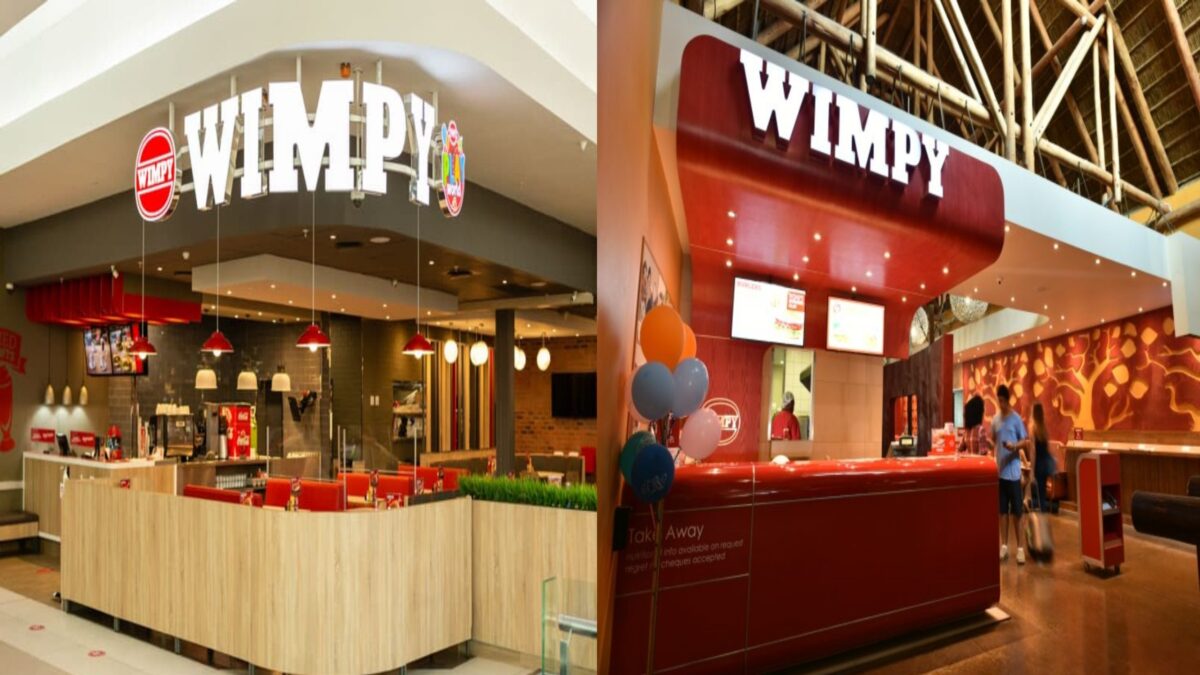
Wimpy franchise cost sparks curiosity among South Africa’s aspiring entrepreneurs. Over 450 Wimpy outlets dot the nation, serving burgers and breakfasts to millions. This iconic brand, born in Durban in 1967, offers a proven model for those ready to invest.

But what does it take to join the Wimpy family? This article breaks down the numbers, steps, and strategies to turn a franchise dream into reality.
Why Wimpy Stands Out
Wimpy thrives in South Africa’s competitive fast-food scene. Its menu—burgers, grills, shakes, and all-day breakfasts—appeals to families, road trippers, and urban diners. Famous Brands, the parent company, ensures franchisees get robust support, from training to site selection. With a legacy spanning decades, Wimpy balances nostalgia with innovation, like its new Braveheart Grey restaurant design.
Wimpy Franchise Cost: The Numbers Unveiled
Opening a Wimpy demands a clear-eyed look at expenses. Costs vary by location, size, and format (sit-down, kiosk, or Engen 1 Stop). Here’s the breakdown:
- Franchise Fee: R80,000–R114,300, a one-time payment for brand rights.
- Setup Costs: R1.75 million–R3.4 million, covering equipment, shopfitting, and decor.
- Plans Fee: R92,500 for architectural and design blueprints.
- Project Management Fee: 4% of build costs, ensuring smooth construction.
- Ongoing Fees:
- Management: 7% of monthly turnover.
- Royalties: 5% of monthly turnover.
For a standard restaurant, expect a total initial investment of R2–R3 million. High-traffic spots like airports or malls push costs toward the upper end. These figures, based on recent industry reports, reflect 2025’s economic realities, adjusted for inflation.
Financing the Dream
Raising R2 million-plus isn’t pocket change. Franchisees often blend personal savings, bank loans, and investor partnerships. Famous Brands requires 50% unencumbered cash—non-borrowed funds—to ensure financial stability. Standard Bank and FNB offer franchise-specific loans, typically covering 50–70% of setup costs at 10–12% interest over five years. A practical step? Draft a detailed business plan showing projected revenue (R5–R10 million annually for a well-run Wimpy) to secure funding.
Choosing the Right Location
Location drives success. Wimpy’s team helps identify spots, prioritizing high foot traffic—think malls, highways, or urban centers. Avoid oversaturated areas where another Wimpy or competitor could cannibalize sales. Franchisees should analyze demographics: families and middle-income earners are Wimpy’s core customers. A lease agreement with flexible terms (e.g., 5–7 years) protects against economic shifts. Pro tip: Visit potential sites at different times to gauge customer flow.
Training and Support
Wimpy doesn’t leave franchisees to fend for themselves. A two-week program at the Academy Training Store covers operations, from grilling burgers to managing staff. Ongoing support includes marketing campaigns, supply chain logistics, and regular visits from a district manager. This structure suits hands-on operators who thrive on daily oversight. Franchisees must commit to customer satisfaction—smiling servers and fresh food keep diners returning.
Navigating Ongoing Costs
Beyond the initial investment, monthly fees demand attention. The 7% management fee supports corporate services like menu updates and tech upgrades. Royalties (5%) fuel brand growth, ensuring Wimpy stays competitive. Budgeting for these is critical. A store earning R500,000 monthly pays R35,000 in management fees and R25,000 in royalties. Factor in rent (R30,000–R100,000), staff wages (R50,000–R150,000), and utilities to avoid cash flow surprises.
Braveheart Grey: A Modern Edge
Wimpy’s rolling out its Braveheart Grey design, a sleek look blending comfort and style. Think open layouts, neutral tones, and energy-efficient fixtures. This revamp, already live at spots like the V&A Waterfront, signals Wimpy’s future-ready mindset. Franchisees opening new stores adopt this design, which can nudge setup costs higher but attracts trendier crowds. Existing outlets are converting too—a sign of brand confidence.
Maximizing Profitability
A Wimpy franchise isn’t a get-rich-quick scheme. Success hinges on execution. Average stores generate R5–R7 million annually, with top performers hitting R10 million. Profit margins hover at 10–15% after fees and expenses. To boost earnings:
- Optimize staff schedules to cut labor costs without sacrificing service.
- Leverage Wimpy’s delivery partnerships (Uber Eats, Mr D) for extra revenue.
- Host community events to build loyalty—think kids’ burger-making contests.
Challenges to Anticipate
No franchise is risk-free. South Africa’s load-shedding hikes generator and fuel costs. Inflation pushes ingredient prices up, squeezing margins. Competition from KFC, McDonald’s, and Spur demands constant innovation. Franchisees must stay agile, adopting tech like self-order kiosks or loyalty apps to keep pace. A hands-off owner risks failure—Wimpy thrives on active management.
Steps to Get Started
Ready to join? Follow these:
- Contact Famous Brands: Reach Yvonne van Wyk at 010 495 3411 or yvonne.vanwyk@famousbrands.co.za. Download the franchise application form online.
- Submit Financials: Prove access to R1–R1.5 million in unencumbered cash.
- Site Approval: Work with Wimpy’s team to lock in a prime location.
- Sign and Train: Finalize agreements, then complete the training program.
- Launch: Open with fanfare—Wimpy’s marketing team helps with promotions.
McDonald’s Franchise in South Africa
Is Wimpy Worth It?
Wimpy franchise cost—R2–R3 million upfront—reflects a serious commitment. Yet the brand’s 450+ stores and loyal base prove its staying power. For entrepreneurs who love people, food, and hustle, Wimpy offers a recipe for success. Contact Famous Brands today. The next burger empire could be yours!
Get the latest entrepreneurial success stories, expert tips, and exclusive updates delivered straight to your inbox — Sign up for Entrepreneur Hub SA’s newsletter today!