Skip to content
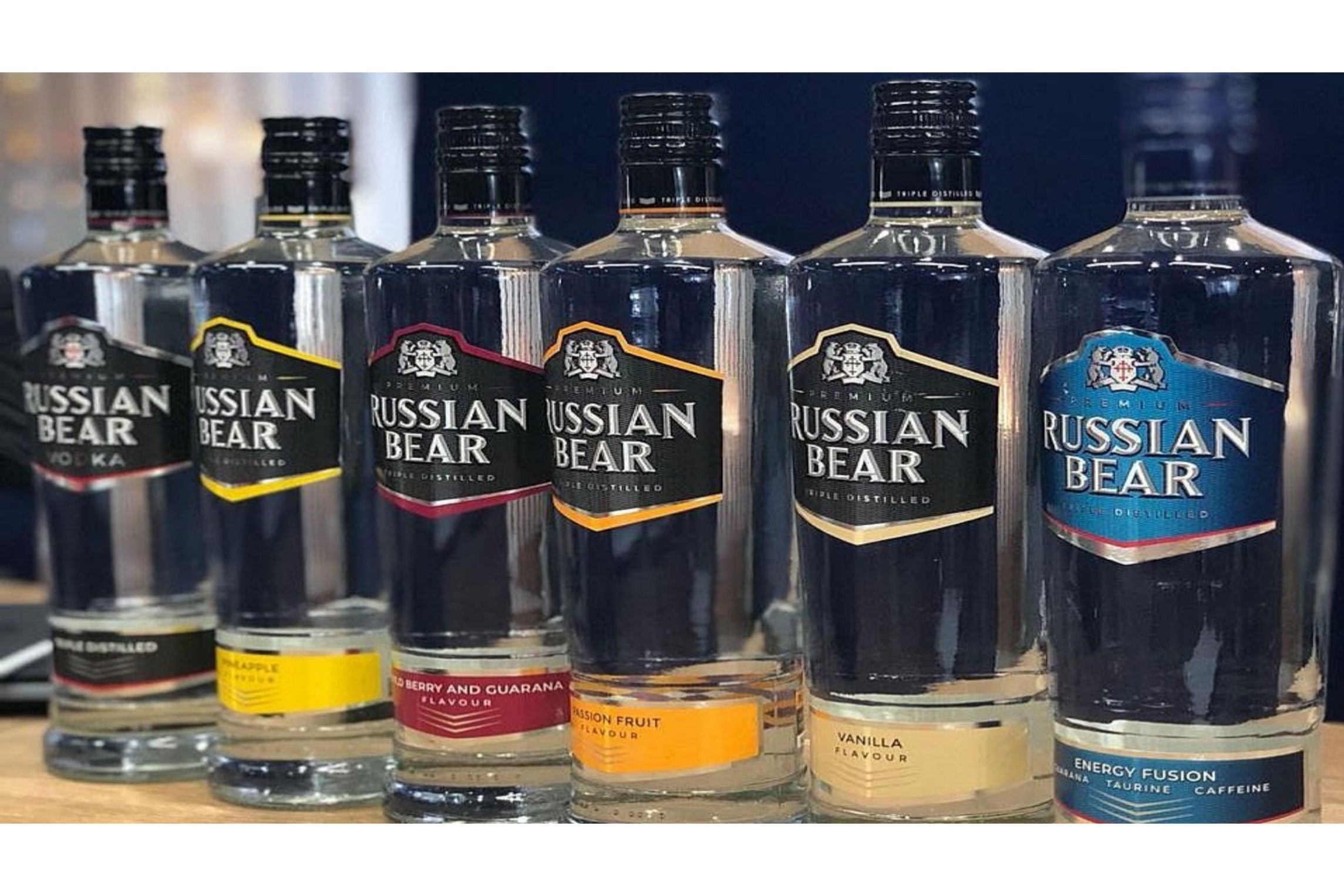
South Africa consumes over 50 million liters of vodka annually, and Russian Bear reigns supreme among brands. Who owns Russian Bear? Edward Snell & Co., a South African giant, holds the reins. This isn’t a tale of Russian distilleries or icy tundras. It’s a story rooted in Cape Town’s docks and a 170-year legacy. The invasion of Ukraine by Russian troops in 2022 sparked global backlash against Russian goods. Some nations yanked Russian vodka from shelves. Russian Bear, though, stood unscathed. Why? It’s not Russian. It’s a proudly local product, born and bred in South Africa.
The misconception lingers because of the name. Russian Bear sounds like it hails from Moscow. It doesn’t. Edward Snell & Co. crafted this vodka to dominate South African nightlife, not to mirror Slavic traditions. The company’s history offers clues to its success. Founded in 1848, it’s weathered storms—economic slumps, pandemics, and now geopolitical tensions. This article peels back the layers. Readers will uncover who owns Russian Bear, how it thrives, and what businesses can learn from its playbook.
Who Owns Russian Bear Today?

Edward Snell & Co. owns Russian Bear. That’s the short answer. The longer one starts in 1848 when Edward Snell, a young Englishman, stepped off a ship in Cape Town. Originally bound for Argentina, fate docked him in South Africa. He didn’t waste time. Snell launched a trading business, dealing in imports and exports. Liquor soon became his focus. Over decades, the company evolved. By the 20th century, it was a family-run powerhouse. Today, it’s South Africa’s largest privately owned spirits group. Russian Bear is its crown jewel.

The ownership structure remains private. No public shareholders meddle here. The Snell family’s descendants, alongside key executives, steer the ship. Karin Krause Wessels, the current managing director, drives its modern vision. Under her watch, Edward Snell & Co. has pushed Russian Bear into new markets. It’s not just about vodka. The company owns over 20 brands—think Strettons gin and Firstwatch whisky. Russian Bear, though, grabs headlines. Its triple-distilled purity and bold branding make it a staple in clubs like KONKA.
A Legacy Forged in Resilience
Edward Snell & Co.’s story isn’t linear. It’s jagged, full of pivots. Snell started as a shipping agent. He hustled. By 1859, his nephew Edward Hooper joined, injecting fresh energy. The company shifted gears in the early 1900s when Vernon Hooper, Edward’s son, took over. He bought out the Snell family’s stake. That move cemented its independence. Fast forward to the 21st century—Edward Snell & Co. stands tall. It’s dodged government liquor bans during COVID-19 and navigated rising costs. Russian Bear emerged stronger each time.
The Ukraine conflict in 2022 tested perceptions. Russian Bear’s name raised eyebrows. Edward Snell & Co. acted fast. “Our vodka has no link to Russia,” a spokesperson declared. Production happens in Johannesburg, not St. Petersburg. The company leaned on its South African roots. Sales didn’t falter. Why? Brand loyalty. Consumers didn’t care about the name’s origin—they cared about the taste. This resilience offers a lesson. Businesses can weather storms with clear messaging and a solid foundation.
Russian Bear’s Market Muscle
Russian Bear isn’t just a vodka—it’s a cultural force. Nightclubs stock it. Partygoers demand it. Edward Snell & Co. built this dominance deliberately. The vodka comes in flavors—wild berry, pineapple, passion fruit. Each targets a vibe. Triple distillation keeps it smooth. Charcoal filtering strips impurities. The result? A clean, crisp drink that mixes well. Awards back this up. Russian Bear has snagged international honors, a rare feat for a South African vodka.
Sales figures tell the story. Vodka overtook brandy in South Africa by 2019, and Russian Bear led the charge. Edward Snell & Co. holds an 8-9% spirits value share locally. That’s fourth place among competitors like Diageo and Heineken. The goal? Climb to third within two years. How? Innovation. New flavors like Russian Bear Energy Fusion hit shelves in 2013. Single Batch Grain Vodka followed in 2014, aimed at gifting. These moves keep the brand fresh. Businesses take note: adapt or fade.
Actionable Lessons from Edward Snell & Co.
Edward Snell & Co.’s success isn’t luck. It’s strategy. Professionals can borrow from their playbook. First, know your roots. The company never hides its South African identity. When Russia’s war sparked confusion, they doubled down on local pride. Action step: anchor your brand in a clear origin story. Customers crave authenticity.
Second, diversify smartly. Russian Bear isn’t Edward Snell & Co.’s only bet. They own gin, whisky, even tequila brands like Jose Cuervo. This spreads risk. When one market dips, others hold steady. Action step: explore adjacent products that fit your core. Don’t overstretch—stay aligned.
Third, innovate relentlessly. Russian Bear’s flavor drops keep it relevant. The company watches trends—low-alcohol drinks are rising. They’ve partnered with Lyres for non-alcoholic options. Action step: track consumer shifts. Launch small tests before big bets. Fail fast, scale what works.
Fourth, communicate clearly. The 2022 Russia scare could’ve tanked Russian Bear. Edward Snell & Co. shut it down with a simple message: “We’re local.” No panic, no excuses. Action step: address crises head-on. Short, sharp statements beat long-winded defenses.
Expanding Beyond South Africa
Edward Snell & Co. isn’t content with local dominance. Africa beckons. The company exports to Mozambique, Namibia, and beyond. Why? South Africa’s economy lags—growth is slow, unemployment high. Exports balance the portfolio. Russian Bear fits developing markets. It’s affordable, bold, and versatile. The pandemic taught a lesson: don’t rely on one region. Now, they’re building a new distribution center to handle demand.
Challenges loom. Counterfeit liquor floods in from Mozambique. Rail and port delays snag shipments. Edward Snell & Co. adapts. They stockpile to avoid shortages. They reroute cargo. This agility keeps Russian Bear flowing. Businesses eyeing expansion should study this. Map risks, then build buffers.
Kit Kat Cash & Carry’s Success Story: Retail Lessons
The Future of Russian Bear
Who owns Russian Bear shapes its tomorrow. Edward Snell & Co. has a plan. They’re gunning for Pernod Ricard’s third spot in South Africa. Exports will grow—Africa’s potential is vast. Sustainability matters too. They’ve cut tequila’s alcohol content to 35%, aligning with responsible drinking trends. Water conservation efforts are next. This isn’t just PR. It’s survival. Consumers demand ethics.
Russian Bear’s name might still confuse some. Edward Snell & Co. doesn’t care. They’ve turned a potential weakness into strength. The brand’s South African soul shines through. For professionals, this is the takeaway: own your narrative. Who owns Russian Bear? A company that’s mastered resilience, innovation, and clarity. That’s the real story.
Get the latest entrepreneurial success stories, expert tips, and exclusive updates delivered straight to your inbox — Sign up for Entrepreneur Hub SA’s newsletter today!