 Skip to content

Updated 15 October 2026: expanded with practical context and refreshed information. Original publication date retained.

CAA number plates and Cape Town registration
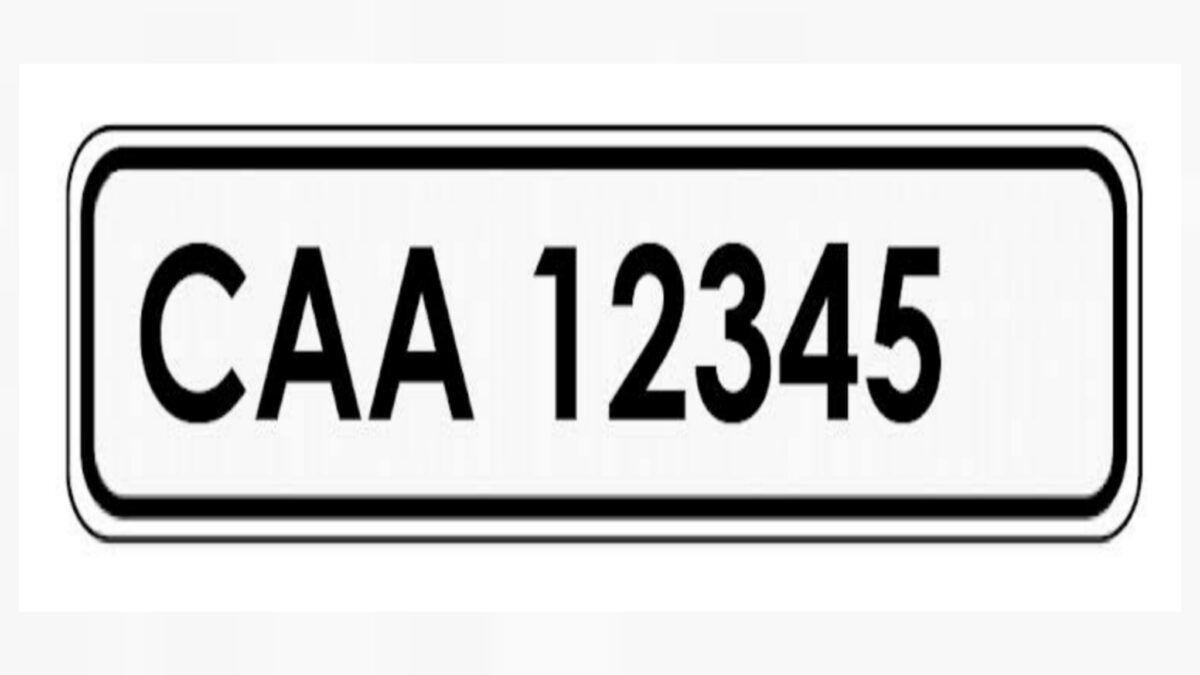
CAA is a Cape Town vehicle-registration mark. It followed the earlier CA series as the available combinations were used. Western Cape Provincial Parliament’s August 2022 Hansard records that the CA999999 milestone and the introduction of CAA occurred in 2019.
What the extra letter means
The additional letter extends the registration series. It does not identify a different car model, the owner’s nationality or a special class of wealthy driver. Ordinary series and personalised registrations should also be kept separate when interpreting a particular plate.
An older CA registration can still be seen on a vehicle. Seeing both CA and CAA does not, by itself, establish that one plate is invalid. Questions about a specific registration or transfer need the registering authority’s current process and the vehicle’s records.
Use the full vehicle information
For a licence, purchase or transfer enquiry, copy the complete registration and check it against the documents. A geographic mark does not prove who owns the vehicle, where the driver currently lives or whether the vehicle identification number matches.
For present fees, issue conditions or a transfer, use the Western Cape vehicle-registration service and the relevant registering authority rather than a price copied from the 2019 changeover.
Related reading from the original article
vehicle licence renewal channels · Code 3 vehicle classification · the car-buying document checklist · Western Cape vehicle-registration guidance
What a Cape Town plate can and cannot tell you
The Western Cape Provincial Parliament’s August 2022 Hansard records the move to the CAA licence mark after the CA series reached CA999999 in 2019. That explains the additional letter as part of a registration series. It is not a code for a vehicle’s model, price or the owner’s nationality.
For a vehicle enquiry, copy the complete registration rather than only the prefix. The full identifier and the vehicle’s other records are needed to check the relevant account or registration. A plate alone does not establish that a seller owns the vehicle or that the vehicle identification number matches the documents.
Do not use a geographic plate mark to infer where a driver currently lives or how safe a particular vehicle is. For a purchase or transfer, use the authorised registration process and the specific vehicle records. Personalised marks and ordinary series also need to be distinguished rather than treated as one numbering sequence with identical issue conditions.
Source and further reading: What a Cape Town plate can and cannot tell you — reference.


