Skip to content
What do you need to purchase a car in South Africa in 2025? You’ll need more than just money. Identification, proof of income, a valid driver’s license, and credit history all come into play.

The process is part financial planning, part paperwork, and part timing.
Personal documentation comes first
Buying a car begins with proving your identity. A valid South African ID or passport (for foreign nationals) is non-negotiable. You’ll also need a valid driver’s license. These two items verify both your legality and your eligibility to drive the vehicle you intend to purchase.
Proof of income and employment
Lenders and dealerships want proof that you can afford the vehicle. Provide recent payslips (typically 3 months), a stamped bank statement, or formal employment confirmation. For self-employed individuals, 6 months of bank statements and company registration details are often required.
Credit history and score check
Even if you’re not financing, dealerships may check your credit report. If financing, your credit score directly affects your loan terms. Aim for a score above 600 to access better rates. Know your score in advance — this saves time and helps you negotiate more confidently.
Deposit requirements
A down payment is not always required, but it significantly improves your financing options. Most banks expect at least 10% upfront for vehicle finance. Bringing a deposit can reduce monthly payments and show commitment to the purchase.
Proof of residence
A utility bill or lease agreement dated within the last 3 months is needed to verify your current address. This is mandatory for FICA compliance, whether paying cash or using finance.
Vehicle insurance cover
Car insurance is legally required if the vehicle is financed. Even for cash deals, it’s smart to insure immediately after purchase. Comprehensive insurance protects against accidents, theft, and damage from day one.
Bank approval or loan pre-qualification
If you’re financing through a bank or dealer, secure pre-approval. This gives a realistic budget and ensures a smoother transaction. You’ll need to submit ID, proof of income, and residence to initiate the credit check.
Additional requirements for used cars
When buying a used car, request the service history, accident record, and ensure it passes a roadworthy test. Private sellers should provide a copy of their ID and proof of ownership.
Dealership checklist: What they’ll ask for
- Valid SA ID or passport
- Driver’s license
- 3–6 months’ bank statements
- Latest payslips or tax returns
- Proof of residence
- Deposit proof (if applicable)
- Insurance confirmation (for finance deals)
Private sale requirements
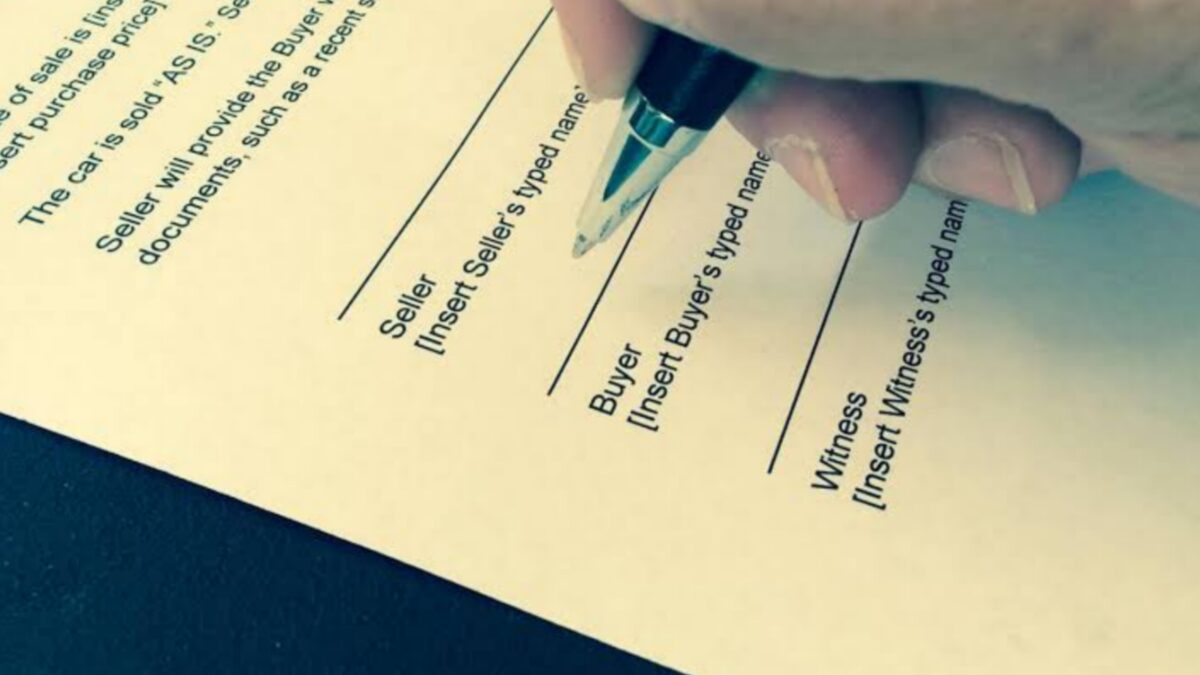
The buyer must request a signed sales agreement. A vehicle registration certificate and a change of ownership form (NCO) should also be completed. The seller must submit a notice of sale to the traffic department.
Finalizing the deal
The car is only officially yours once registered in your name. The dealership or traffic department will handle this, depending on the arrangement. Make sure to collect the invoice, license disc, registration paper, and insurance confirmation.
Buying a car in cash
Paying cash simplifies the process. You’ll still need your ID, license, and proof of address. Always request a receipt and an invoice. For expensive vehicles, be prepared to explain the source of funds due to anti-money laundering regulations.
Financing vs. cash buying: Pros and cons
Financing Pros
- Easier on upfront cash flow
- Builds credit if paid on time
- Access to newer vehicles
Financing Cons
- Interest payments
- Longer commitment
- Higher total cost
Cash Buying Pros
- Full ownership immediately
- No interest costs
- Easier resale flexibility
Cash Buying Cons
- High upfront cost
- Less liquidity
- Limited to current savings
Common pitfalls to avoid
- Not checking the vehicle’s ownership status
- Skipping the fine print in finance contracts
- Failing to insure the car immediately
- Accepting deals beyond your budget
- Overlooking hidden dealership costs
Can foreigners buy a car in South Africa?
Yes. Foreigners can purchase cars, provided they show a valid passport, visa, and proof of local residence. Some banks may require a South African co-signer or guarantor for financing.
Top documents at-a-glance
| Document | Purpose |
|---|---|
| ID or passport | Verifies identity |
| Driver’s license | Confirms legal driving status |
| Payslips / bank statements | Proves income |
| Proof of residence | FICA compliance |
| Credit score | Loan assessment |
| Insurance confirmation | Required before delivery |
| Signed agreement | Legal transaction proof |
| Vehicle registration | Ownership transfer |
What to bring to the dealership
Keep a folder with:
- Copy of ID/passport
- Valid driver’s license
- 3 months’ payslips
- 3 months’ bank statements
- Proof of address
- Deposit slip or EFT proof
- Printed insurance cover note
Countries Where the Rand Is Stronger: Full 2025 Guide
What do you need to purchase a car: Recap
What do you need to purchase a car in South Africa? You need proper documents, a steady income, proof of residence, and, ideally, a decent credit history. Whether you choose finance or cash, preparation is everything. The process is simpler when all your paperwork is ready, your budget is clear, and your expectations are realistic.
Get the latest entrepreneurial success stories, expert tips, and exclusive updates delivered straight to your inbox — Sign up for Entrepreneur Hub SA’s newsletter today!