Skip to content
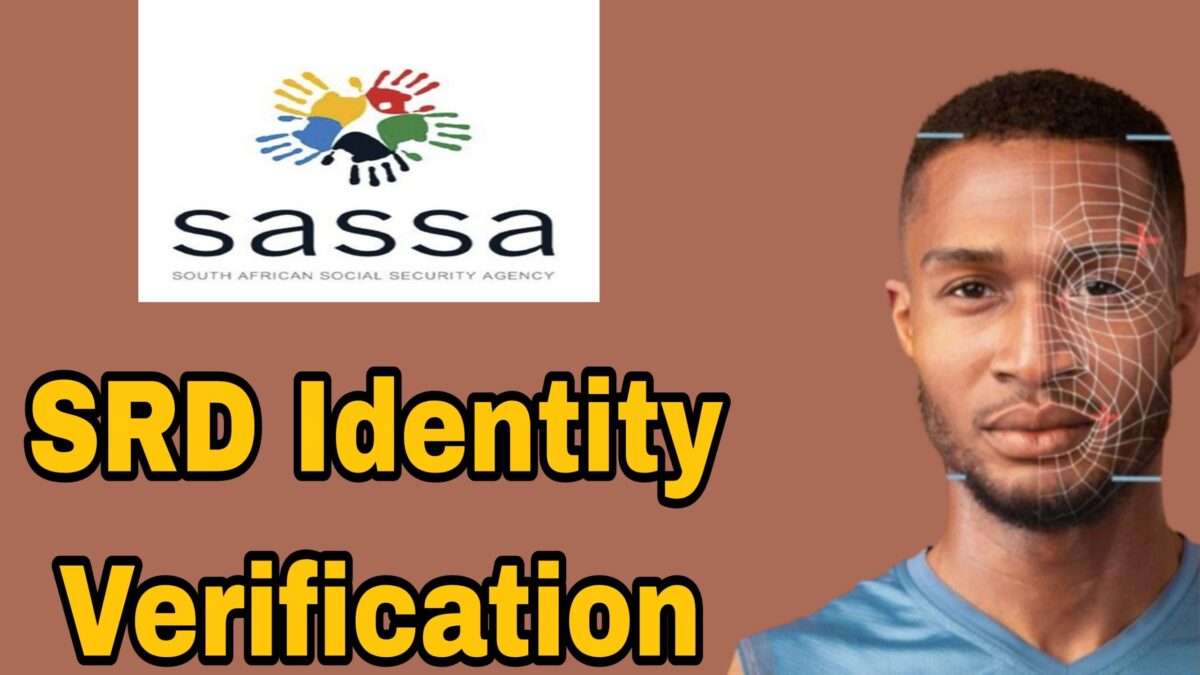
SRD identity verification stands at the heart of South Africa’s efforts to secure its social grant system. In 2024 alone, SASSA reported over R31 million lost to fraudulent claims, a stark reminder of why this process matters. For millions of South Africans relying on the Social Relief of Distress (SRD) grant—now R370 monthly—this step ensures funds reach the right hands. Fraud isn’t just a statistic; it’s a threat to livelihoods. The South African Social Security Agency (SASSA) has rolled out biometric checks and online tools to combat it, but the process can feel like a maze. This article cuts through the confusion. It delivers clear, actionable steps for professionals, beneficiaries, and advisors navigating the system in 2025.

The goal? Equip readers with everything needed to tackle SRD identity verification head-on. From submitting an ID number to handling delays, every detail counts. Expect practical advice grounded in the latest updates, not vague promises. SASSA’s system evolves fast—April 2025 brings new deadlines and tech tweaks—so staying informed is non-negotiable. Let’s dive into what this process entails and how to master it.
What SRD Identity Verification Really Means
SASSA didn’t invent identity verification for fun. It’s a shield against chaos in the SRD grant system. Picture this: 75,000 deceased or inactive accounts siphoned payments in early 2024, per SASSA’s own audits. That’s not a glitch—it’s a crisis. SRD identity verification exists to confirm that applicants are who they claim to be. No fakes. No duplicates. Just real people in real need.
The process hinges on matching personal details—South African ID numbers or validated foreign identities for asylum seekers—with official records. SASSA cross-checks these against the Department of Home Affairs database. Facial recognition adds another layer, especially for high-risk cases like mobile number changes or suspected fraud. It’s not optional. Beneficiaries must comply to unlock their R370 lifeline.
Why does this matter? Three reasons stand out. First, it blocks identity theft—crooks can’t hijack someone else’s grant. Second, it stops fraudulent claims from draining the system. Third, it protects taxpayer money, ensuring grants support the vulnerable, not scammers. For professionals advising clients or managing applications, understanding this foundation is step one.
How to Complete SRD Identity Verification Step-by-Step
Completing SRD identity verification doesn’t require guesswork. SASSA’s process is straightforward when broken down. Here’s how it works in 2025, based on the latest tools and updates from srd.sassa.gov.za.
Start with the basics. Visit sassa-status.co.za/verification or the official SRD portal at srd.sassa.gov.za. These sites host the verification tool. Next, grab the South African ID number used in the grant application. Only South African IDs or validated asylum seeker documents qualify—no exceptions. Enter it in the form. Accuracy matters; a single typo delays everything.
Then, input the mobile number tied to the application. Changed it recently? Update it first through SASSA’s helpline (0800 60 10 11) or a branch visit. Click “Verify.” An SMS lands within three days—sometimes sooner, sometimes not. That message contains a link. Click it fast; it expires in 72 hours.
The link directs to a Home Affairs page for facial recognition. Take a clear selfie. Lighting helps. Blurry shots fail. Submit it. SASSA and Home Affairs compare it to their records. Success means a confirmation message. Failure? The status stays “pending” or “failed,” and follow-up is needed.
Professionals assisting clients should note: keep records of each step. Dates, times, SMS receipts—track it all. If the SMS doesn’t arrive, don’t panic yet. Wait the full three days. Still nothing? Head to a SASSA office with the ID in hand. Patience pays off here.
Why Delays Happen—and What to Do About Them
Delays in SRD identity verification frustrate everyone. Some wait days; others, months. In October 2024, Business Live reported beneficiaries battling verification holdups for over three months. Why? Several culprits emerge.
Home Affairs system downtime tops the list. SASSA relies on it to validate IDs. If it’s offline, verification stalls. Technical glitches on SASSA’s end—like link delivery failures—compound the issue. Older green ID books pose another hurdle; their faded photos often flunk facial recognition. Smart ID cards fare better, but not always.
Volume plays a role too. With 7.5 to 8.5 million SRD beneficiaries monthly, per GroundUp’s June 2024 data, the system buckles under demand. Add human error—wrong numbers, outdated details—and delays stack up.
Action steps cut through this mess. Check application status first at srd.sassa.gov.za. “Pending” or “Identity Verification Requested” signals where it’s stuck. No SMS after three days? Call 0800 60 10 11. Be ready with the ID number and application date. Visiting a branch works too—bring the ID and proof of application (like a reference number).
For persistent delays, escalate it. Email grantenquiries@sassa.gov.za with specifics: ID, mobile number, application date. Follow up weekly. Community groups like #PayTheGrants can push cases forward—Raiters’ team has unblocked links same-day, per Moneyweb’s June 2024 report. Don’t sit idle; act.
Tools and Tech Behind SRD Identity Verification
SASSA’s verification isn’t smoke and mirrors. It leans on tech to keep fraud at bay. Biometric systems—facial recognition specifically—lead the charge. Introduced in 2024, this tool flags risky changes like new phone numbers or cash send requests. How? It matches a live selfie to Home Affairs’ photo archives.
The process starts with the HANIS database (Home Affairs National Identification System). Banks pioneered this in 2018, per gov.za, and SASSA adapted it. A beneficiary submits a selfie via the SMS link. Algorithms analyze facial features—eye distance, jawline, nose shape. If it aligns, verification clears. If not, it’s flagged.
Smartphones are essential. No camera, no dice. This excludes some rural applicants, a gap SASSA acknowledges but hasn’t fully bridged. Web updates from July 2024 on sassastatusgov.com note plans for self-service portals to resend links—still in testing as of April 2025. For now, branches fill the void for tech-limited users.
Professionals should grasp this: accuracy trumps speed. A rejected selfie—say, from poor lighting—means redoing it. Guide clients to bright spaces. Test the phone camera first. Small tweaks save big headaches.
Fraud Prevention: The Stakes Are High
Fraud isn’t a side note; it’s the reason SRD identity verification exists. SASSA’s 2021 report pegged escalating fraud cases at millions monthly. By 2024, GroundUp highlighted 75,000 ghost accounts. That’s R27.75 million lost at R370 per grant—every month. Taxpayers foot that bill.
Verification fights back. It catches impersonators claiming grants under stolen IDs. It blocks double-dipping—applicants using multiple identities. Cross-checks with banks and the South African Fraud Prevention Service, per Letsatsi’s June 2024 statement, tighten the net. Suspicious profiles get locked until verified.
The impact? Approved beneficiaries wait longer, but funds stay secure. For advisors, stress this to clients: verification isn’t punishment—it’s protection. Incomplete steps mean suspended grants. No shortcuts exist.
Troubleshooting Common Verification Hiccups
Things go wrong. “Identity Verification Failed” pops up too often. Statuscheck.co.za’s April 2024 guide pins this on mismatched details—names, IDs, or numbers not syncing with Home Affairs. Fix it by visiting a Home Affairs branch. Update records there, then retry with SASSA.
No SMS? Beyond the three-day wait, it’s a glitch. SASSA’s October 2024 Business Live update admits link delivery stumbles. Call the helpline. Persistent cases warrant branch visits—ID in hand. “Pending” status dragging on? Confirm all documents—ID, proof of residency—match the application. Errors here stall progress.
Smart ID versus green book woes? Older IDs struggle with facial recognition. SASSA’s Letsatsi told GroundUp in June 2024: upgrade to a smart ID for smoother checks. Costly, yes, but effective. Advisors: push clients to modernize IDs where possible.
After Verification: Next Steps
Verification done? The grind isn’t over. Check status at srd.sassa.gov.za. “Approved” means payment’s coming—watch for SMS updates on dates. “Referred” flags extra checks—90% still pass, per srdsassagov.com’s March 2025 data. “Declined”? Appeal within 30 days online. Explain why it’s wrong—unemployment proof helps.
Payments hit bank accounts, Post Offices, or cash send spots like Pick n Pay. Update banking details if needed—verification restarts for that change. Stay proactive. Check monthly. SASSA’s means test reruns every cycle; income spikes can cut eligibility.
Real Stories, Real Struggles
Take Thandile Wonci, 26, from Makhanda. Per Business Live’s October 2024 piece, she waited months for a verification link. Food and toiletries hung in the balance. Or Mahlaba, a Johannesburg student—three months pending while his family’s grants flowed fine. These aren’t outliers. #PayTheGrants logged hundreds of similar cries in June 2024, per Moneyweb.
Contrast that with success. A smart ID user in Cape Town verified in two days—selfie nailed it. The difference? Tech access and persistence. Professionals: coach clients through these gaps. Rural areas lag; urban hubs speed ahead. Push for updates.
The Future of SRD Identity Verification
SASSA’s not static. April 2025 rumors—unconfirmed—hint at automated link resends. Sassastatusgov.com’s July 2024 post flagged this fix for SMS delays. Facial recognition could tighten, maybe adding fingerprints. Fraud won’t quit; neither will SASSA.
For now, beneficiaries and advisors adapt. Rural access must improve—mobile units could help. Tech literacy training? NGOs could step up. The system’s imperfect, but it’s evolving. Stay sharp.
Pedros Franchise: Costs and Steps to Own One
In Closing….

SRD identity verification isn’t a hoop to jump through; it’s the backbone of a secure grant system. SASSA’s biometric push in 2025 keeps funds flowing to the needy, not the greedy. Master the steps—ID entry, selfie, follow-ups—and payments follow. Delays sting, but solutions exist. Call, visit, persist. For professionals guiding others, this knowledge is power. Equip clients to win. The R370 lifeline depends on it.
Get the latest entrepreneurial success stories, expert tips, and exclusive updates delivered straight to your inbox — Sign up for Entrepreneur Hub SA’s newsletter today!