 Skip to content


How South Africa’s Electronic Travel Authorization System Will Simplify Travel and Border Control
South Africa’s Department of Home Affairs has been developing an Electronic Travel Authorisation (ETA) system as part of its digital transformation. The rollout has moved beyond the initial proposal, so travellers should use the latest official guidance rather than assume that the same entry rules apply to every nationality. Tourism’s wider business setting is illustrated by Sol Kerzner’s hospitality career.
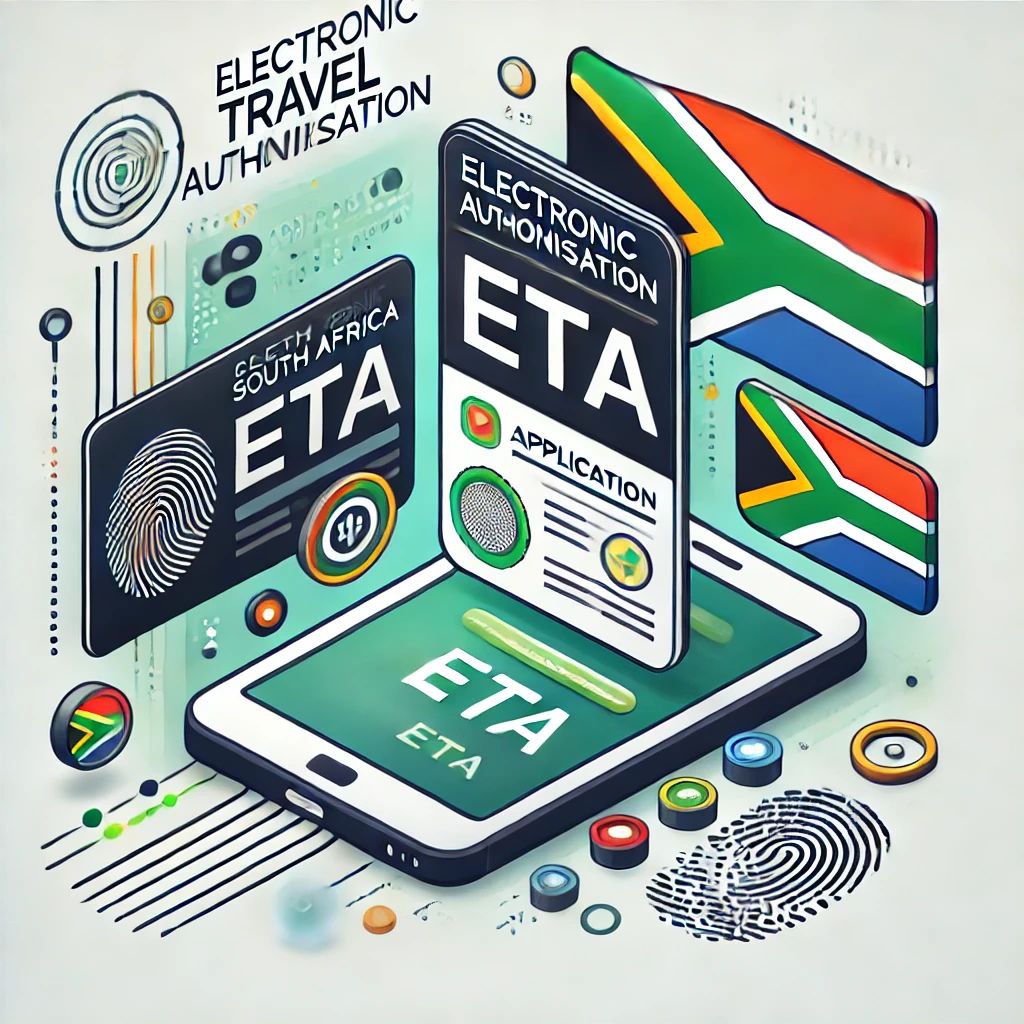
By 2029, the Home Affairs Department plans to digitize a broad range of civic, immigration, and security services. Imagine never having to visit a Home Affairs office in person again for routine services! The ETA system is set to revolutionize how travelers enter South Africa, replacing the traditional paper visa with a swift, automated process that ensures smoother travel experiences. Here’s everything you need to know about this digital leap and how it will affect you.
The Future of South Africa’s Border Control with ETA
The ETA allows eligible prospective visitors to submit a digital tourist-visa application. Home Affairs’ May 2026 budget speech describes a process using biometric and machine-learning technology, with applicants using a laptop or smartphone. Eligibility and the correct application route depend on official guidance for the traveller’s nationality and purpose.
Home Affairs described a service designed to return a visa within 24 hours. That description is not a guarantee of approval or a reason to travel without the necessary authorisation. Applicants should allow time for checks and use the official application requirements.
One of the most significant changes with the ETA system is the integration of biometric data. This new system will link biometric identifiers—such as fingerprints and facial recognition—with travel authorizations, creating a more secure and reliable method of verification.
At the time of application, travelers will submit their biometric data, and when they arrive in South Africa, the data will be cross-checked at border control. If a traveler has overstayed their initial travel authorization, the system will immediately flag the issue, ensuring that no one can evade detection.
A Global Trend: ETA Systems Becoming the Norm
Electronic travel systems differ between countries. South Africa’s rollout concerns its own tourist-visa and border-management arrangements; it should not be assumed to create the same obligations as another country’s electronic authorisation system.
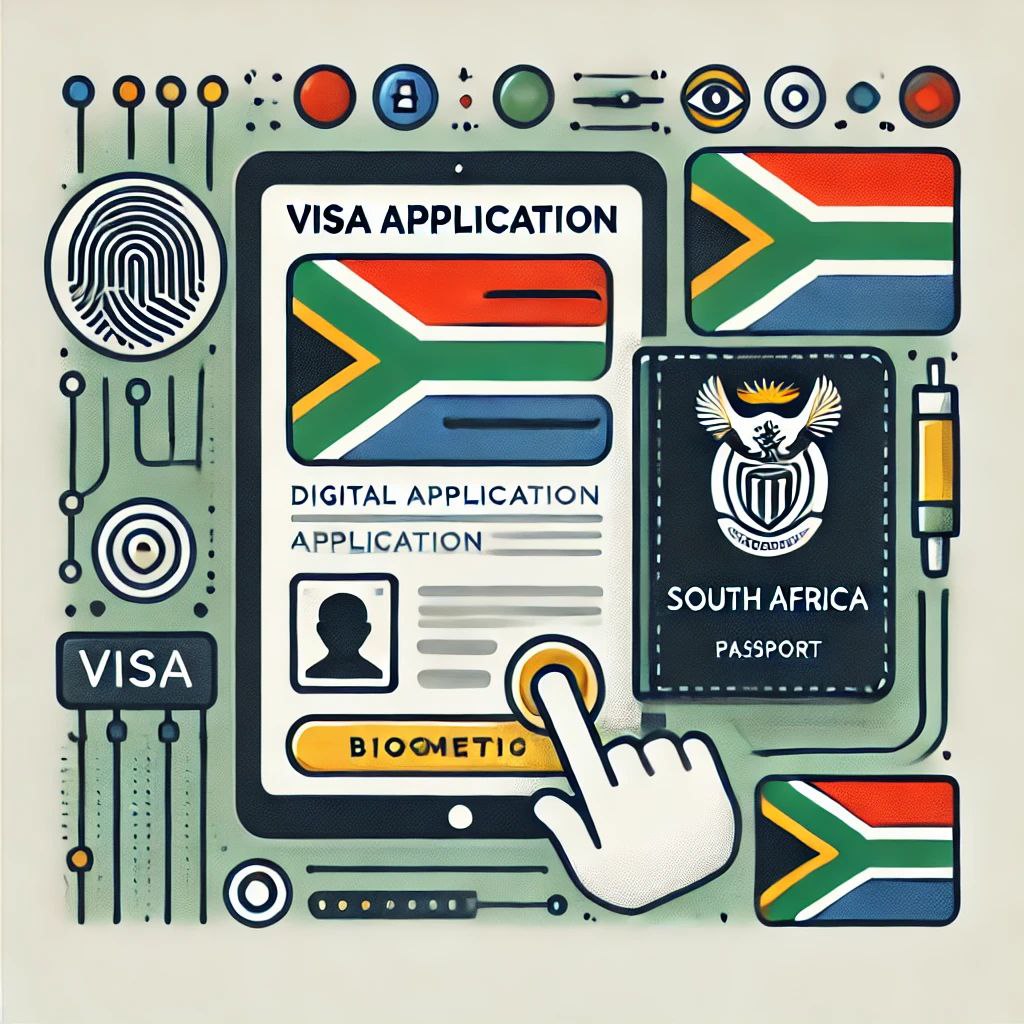
In its May 2026 budget speech, Home Affairs said that the ETA had been rolled out for tourists from China, India, Mexico and Indonesia. That statement identifies a specific rollout group, rather than a universal requirement for all foreign visitors. Cape Town visitors considering shopping destinations can also explore Canal Walk. In its May 2026 budget speech, Home Affairs said the ETA had been rolled out for tourists from China, India, Mexico and Indonesia.
Impact on Visa-Exempt Travelers
Travellers from visa-exempt countries should check the current Home Affairs requirements for their own passports. The initial four-country rollout does not, by itself, establish that every visa-exempt traveller must apply for an ETA.
The digital process is intended to combine visa applications with identity checks and border verification. Travellers should confirm whether the ETA or another official application route is appropriate before submitting documents.
How the ETA Will Affect the South African e-Visa System
Alongside the ETA, South Africa’s existing e-Visa system—which was launched in 2019—will continue to play a crucial role in simplifying entry for international travelers. While the ETA system will gradually replace paper visas for most travelers, the e-Visa will still serve specific countries, enabling citizens to apply for travel authorization electronically without needing to visit an embassy.
The availability of digital visa services depends on nationality, travel purpose and the stage of the rollout. Check the official country-specific requirements instead of relying on an older count of countries supported by a previous system.
Who Will Be Affected by the Electronic Travel Authorization?
Before booking or travelling, confirm which visa or authorisation your passport and purpose of travel require. The four-country rollout described by Home Affairs should not be read as a rule that visa-exempt nationals will automatically be the first affected.
Conclusion:
The introduction of the Electronic Travel Authorization (ETA) for South Africa is a landmark step in modernizing the country’s immigration procedures. This digital transformation will not only simplify entry for travelers but will also enhance border security, making South Africa a more efficient and safe destination.
The ETA is one part of Home Affairs’ wider digital-services programme. Confirm the current eligibility, application route and entry requirements for your own trip, and obtain any required authorisation before travelling. For another part of the visitor economy, see tashas’ South African restaurant story.


