Skip to content

Shoprite’s franchise cost opens doors to one of Africa’s retail giants. In 2024, the Shoprite Group posted R240.7 billion in sales, with its OK Franchise Division (OKFD) growing 23.8%. That’s no small feat. Aspiring franchisees often ask: what’s the price of owning an OK Foods or OK Grocer? Shoprite and Checkers don’t franchise, but OKFD offers brands like OK Foods, OK MiniMark, OK Express, and Megasave.
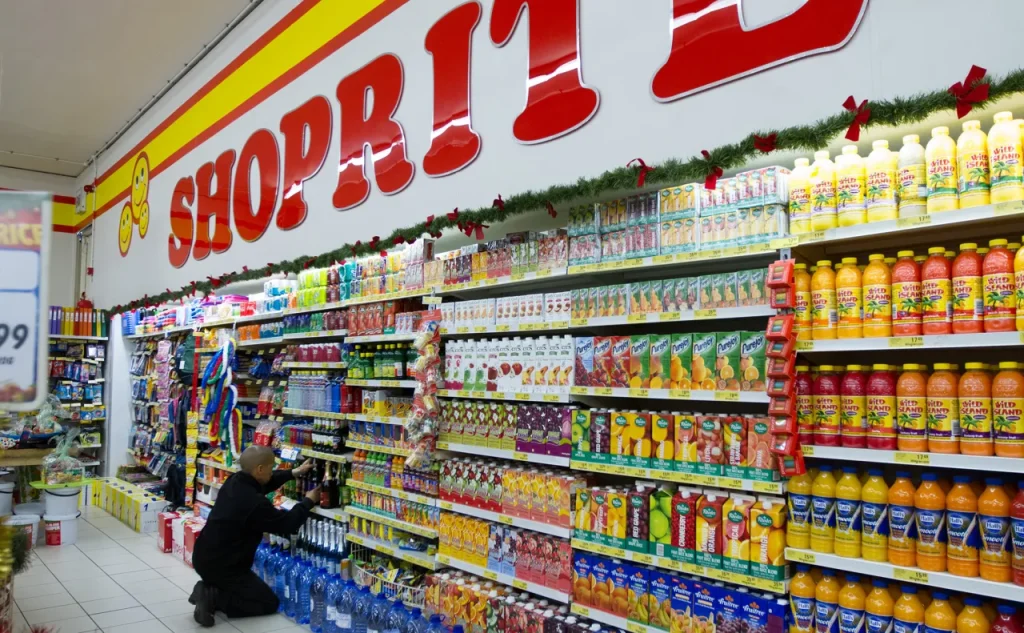
These stores dot South Africa’s landscape, from bustling cities to quiet towns. Costs vary by store type and location. This article unpacks the numbers, steps, and strategies to launch an OKFD franchise. It’s not just about paying fees. It’s about building a business backed by a trusted name.
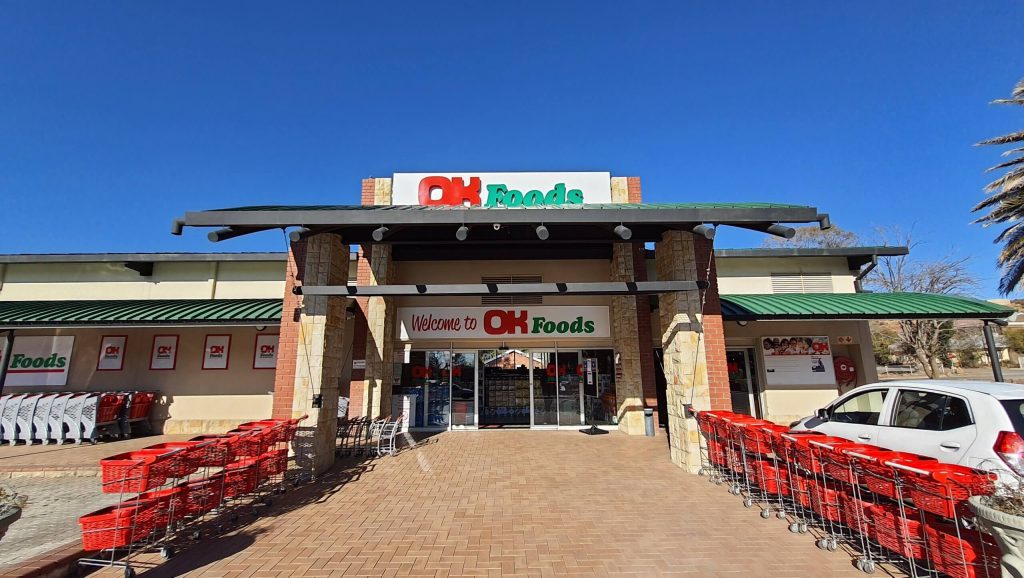
OKFD targets entrepreneurs ready for retail. An OK Express at a fuel station differs from a family-focused OK Foods in a rural hub. Expect to cover initial fees, setup costs, royalties, and more. Success demands planning. Choosing the right site matters as much as securing funds. Curious? Let’s break it down.
Understanding Shoprite’s Franchise Landscape
Why Shoprite Doesn’t Franchise Its Main Brands
Shoprite and Checkers remain corporate-owned. Why? Control. The Shoprite Group, founded in 1979, prioritizes consistency across its flagship stores. By 2024, it operated 2,999 stores across Africa, with 1,725 Shoprite and Checkers outlets in South Africa alone. Franchising could dilute quality. Instead, the group channels its franchise ambitions through OKFD, launched to capture smaller markets. OKFD’s brands—OK Foods, OK Grocer, OK MiniMark, OK Express, OK Liquor, Megasave, and others—offer flexibility. They serve niche communities where big-box stores don’t fit.
This strategy works. OKFD grew to 608 stores by 2024, up from 535 the prior year. Franchisees benefit from Shoprite’s scale without running a full-scale supermarket. An OK Grocer in a small town can thrive where a Shoprite might struggle. That’s the beauty of OKFD’s model.
OKFD’s Brand Portfolio
Each OKFD brand has a purpose. OK Foods, the flagship, targets families with groceries and fresh produce. Stores average 500–1,000m², stocked with essentials. OK Grocer focuses on rural areas, offering basics at competitive prices. OK MiniMark, at 200–400m², serves convenience shoppers. OK Express, often at fuel stations, caters to on-the-go customers with snacks and drinks. OK Liquor specializes in beverages, while Megasave emphasizes bulk discounts.
These brands aren’t random. They reflect South Africa’s diversity. A franchisee in Soweto might choose OK Express for commuters. In Oudtshoorn, OK Foods draws families. OKFD’s 2024 report noted 73 new stores, with OK Foods and OK Express leading growth. Franchisees pick formats based on local needs. That’s strategic.
Market Niches and Opportunities
OKFD excels in underserved areas. Rural towns, peri-urban hubs, and fuel stations are prime spots. In 2024, 40% of OKFD’s new stores opened outside major cities. Why? Less competition. A Pick n Pay or Spar might dominate Johannesburg, but an OK Grocer in Thohoyandou faces fewer rivals. Franchisees tap into loyal customer bases. OK’s Count On! card, offering cashback, keeps shoppers coming back.
Opportunities abound. South Africa’s retail sector grew 2.7% in 2024, despite economic headwinds. OKFD’s smaller formats suit cash-strapped consumers seeking value. Franchisees don’t need millions to start. An OK MiniMark costs less than a full supermarket. It’s accessible, but not easy. Success requires grit.
Shoprite’s Franchise Cost Breakdown
Shoprite’s Franchise Cost: The Numbers
Shoprite’s franchise cost hinges on the OKFD brand and store size. Initial fees range from R60,000 to R250,000. These grant access to the OK name and Shoprite’s systems. An OK Express might cost R60,000 upfront, while an OK Foods demands R200,000. Setup costs dwarf these fees. A small OK MiniMark requires R2 million to R5 million, covering equipment, stock, and renovations. Larger OK Foods stores hit R8 million or more in urban areas.
Location drives costs. A 480m² OK Foods in Cape Town faces R100,000 monthly rent. In Vryburg, it’s closer to R30,000. Equipment isn’t cheap either. Fridges, shelving, and tills for an OK MiniMark cost R500,000. Stock adds another R300,000. Larger formats need more. An OK Foods might spend R1 million on initial inventory.
Royalties, or management service fees, sustain the partnership. OKFD charges 2–5% of turnover, often R10,000 monthly for fixed fees or R30,000 for a store earning R1 million at 3%. Marketing fees, at 0.5–1% of sales, fund ads. A typical OK Foods spends R5,000 monthly here. Working capital is critical. A new store needs R500,000–R1 million in reserve for wages, utilities, and surprises. Skimp, and the business stalls.
Hidden Costs to Watch
Load shedding bites. In 2024, Shoprite spent R754 million on diesel group-wide. A single OK store might burn R50,000 yearly on generator fuel. Insurance, licenses, and staff training add up. A franchisee in Bloemfontein paid R100,000 for municipal permits before opening. Staff wages for a 10-person OK MiniMark run R80,000 monthly. These aren’t optional.
Renovations vary. Older sites need upgrades. A franchisee in East London spent R200,000 on plumbing for an OK Grocer. New builds cost more. Security systems, mandated by OKFD, add R50,000. Plan for R1 million in contingencies. It’s not pessimism—it’s reality.
Financing the Dream
Funding isn’t simple. Banks like Absa and FNB offer franchise loans, but they want proof. A solid business plan is non-negotiable. OKFD requires 50% unencumbered capital—cash, not loans—for setup costs. For a R4 million OK MiniMark, that’s R2 million upfront. The rest can be financed, but interest rates hover at 10–12%. Monthly repayments of R30,000 aren’t uncommon.
Government programs help. The Department of Trade, Industry, and Competition offers grants for black-owned businesses. Franchisees might secure R500,000 in relief. OKFD connects applicants to funders, but approval isn’t guaranteed. Savings, family loans, or partners bridge gaps. It’s a hurdle, but surmountable.
Benefits of OKFD Franchising
Shoprite’s Supply Chain Strength
OKFD franchisees don’t stock shelves alone. Shoprite’s supply chain, built over 45 years, delivers. Fresh produce arrives daily. Non-perishables flow weekly. In 2024, Shoprite’s 27 distribution centers handled 1.2 billion cases. That’s efficiency. Franchisees avoid supplier haggling. OK Foods in Nelspruit gets the same tomatoes as a Shoprite in Pretoria. Costs stay low. Margins hold.
This matters in tough times. South Africa’s 2024 inflation hit 5.3%. Shoprite’s scale keeps prices competitive. Franchisees pass savings to customers. An OK Grocer in Kimberley sold maize meal 10% below rivals, drawing crowds. That’s a win.
Training and Support
OKFD doesn’t toss franchisees into the deep end. New owners attend a two-week onboarding school. Topics cover stock control, merchandising, and customer service. Staff train too. A cashier learns scanner tricks. A butcher masters cuts. E-learning platforms reinforce lessons. In 2024, OKFD trained 4,000 employees across its network.
Support continues. Regional advisors visit monthly. They check displays, suggest promotions, and troubleshoot. A franchisee in Polokwane boosted sales 15% after advisor tips on shelf placement. OKFD’s call center handles queries 24/7. It’s not hand-holding—it’s partnership.
Brand Loyalty and Marketing
OK’s Count On! card drives sales. Customers earn cashback, not points. In 2024, 60% of OKFD transactions used the card. Shoppers return. An OK Express in Durban averaged R500,000 monthly from loyal customers. National campaigns, funded by marketing fees, amplify reach. Billboards, radio ads, and social media keep OK visible.
Local marketing matters too. Franchisees host community events. An OK Foods in Umtata sponsored a school feeding program, earning goodwill. OKFD provides templates for flyers and promotions. It’s simple, effective branding.
Steps to Become an OKFD Franchisee
Step 1: Research and Inquiry
Start with OKFD’s website. It lists brands and requirements. Curious about OK Foods? Expect a R200,000 initial fee and R5 million total investment. OK Express is leaner—R60,000 upfront, R2 million overall. Call OKFD’s franchise team. They’ll send an info pack. Read it. Twice.
Attend OKFD’s open days. In 2024, 300 prospects visited sessions in Johannesburg and Cape Town. Franchisees share stories. Ask hard questions: What’s the failure rate? (It’s low—under 5% annually.) Research competitors too. A Spar might cost R10 million. OKFD’s edge is affordability.
Step 2: Application and Assessment
Submit an application. OKFD wants financials, experience, and motivation. Retail background helps, but it’s not mandatory. A teacher in Rustenburg switched careers to run an OK Grocer. Passion matters. OKFD reviews submissions in 30 days. If approved, expect an interview. They’ll grill business acumen.
Pass the interview, and OKFD assesses finances. Show R2 million in cash for a R4 million store. No shortcuts. Credit checks follow. A clean record helps. OKFD rejects 20% of applicants here. It’s strict, not personal.
Step 3: Financing and Agreements
Secure funding. Banks demand a 50% deposit. Absa’s franchise unit financed 100 OKFD stores in 2024. Rates start at prime plus 2%. Government grants, like the Black Business Supplier Development Programme, offer up to R1 million. OKFD guides but doesn’t fund.
Sign the franchise agreement. It’s a 10-year term, renewable. Royalties, fees, and rules are clear. Breach them, and OKFD can terminate. A lawyer’s review costs R5,000—worth it. Pay the initial fee. For OK Foods, that’s R200,000. Funds clear, and training begins.
Step 4: Site Selection and Setup
OKFD scouts locations. High-traffic areas win—think malls or fuel stations. A 400m² OK MiniMark needs 50 parking bays. OKFD’s team analyzes footfall. A site in Vereeniging drew 1,000 daily visitors, perfect for OK Express. Franchisees propose sites too. OKFD approves or rejects.
Setup takes 3–6 months. Renovations eat time. An OK Foods in Port Elizabeth needed R300,000 for wiring. OKFD supplies equipment lists—fridges, tills, shelving. Stock arrives last. A R500,000 inventory covers opening week. Staff hiring starts here. Ten employees suffice for a small store.
Step 5: Training and Opening
Training lasts four weeks. Franchisees learn operations. Staff master roles. OKFD’s Joburg school simulates a store. Mistakes happen here, not live. Opening day looms. OKFD’s team assists with displays and promotions. A new OK Grocer in Tzaneen drew 500 shoppers on day one. That’s the goal.
Post-launch, advisors check weekly. Sales stabilize in six months. An OK Foods averaging R1 million monthly breaks even in 18–24 months. Patience pays.
Challenges and Solutions
Economic Volatility
South Africa’s economy wobbles. Inflation hit 5.3% in 2024. Customers cut spending. OKFD stores sell essentials, softening the blow. Franchisees counter with promotions. A 10% discount on maize meal in an OK Grocer boosted sales 20%. Stock smart—focus on high-turnover items.
Load Shedding
Power cuts hurt. An OK MiniMark loses R10,000 daily without fridges. Generators cost R100,000, plus R5,000 monthly fuel. Solar backups, at R200,000, save long-term. OKFD offers energy audits. A franchisee in George cut costs 15% with LED lights. Plan ahead.
Competition
Spar and Pick n Pay loom large. A Spar in Randburg might undercut prices. OKFD’s edge is Shoprite’s supply chain. Franchisees match rivals without slashing margins. Loyalty programs help. OK’s Count On! card retains 60% of shoppers. Community ties—sponsoring local sports—build goodwill.
Staff Management
Turnover stings. A cashier quitting mid-month disrupts flow. OKFD’s training reduces churn. Pay above minimum wage—R6,000 monthly for a clerk. Offer bonuses for sales targets. A franchisee in Welkom cut resignations 50% with R500 incentives. Invest in people.
OKFD vs. Competitors
Pick n Pay’s Express stores start at R2 million, like OK Express. Its supermarkets hit R12 million, pricier than OK Foods’ R8 million cap. Spar’s costs align closer—R3 million for a TOPS liquor store, R10 million for a supermarket. OKFD’s strength is scale. Shoprite’s logistics outmuscle Spar’s. Pick n Pay’s loyalty program lags behind OK’s Count On! card. For affordability, OKFD wins.
Future of OKFD Franchising
Retail evolves. By 2025, OKFD aims for 700 stores. E-commerce grows, but OK’s brick-and-mortar focus endures. Smaller formats like OK Express suit urban sprawl. Sustainability matters—OKFD trials solar stores. Franchisees adopting green tech may cut costs 10%. South Africa’s 2.5% retail growth forecast bodes well. OKFD’s niche is secure.
McDonald’s Franchise in South Africa
Conclusion: Shoprite’s Franchise Cost
Shoprite’s franchise cost unlocks retail potential. OKFD’s brands—OK Foods, OK Grocer, OK Express—offer paths for entrepreneurs. Costs range from R2 million for a MiniMark to R8 million for a Foods store. Royalties and setup demand planning. Yet, Shoprite’s supply chain, training, and loyalty programs ease the journey. Challenges like load shedding test resilience, but solutions exist. Aspiring franchisees should research, budget, and act. Shoprite’s franchise cost isn’t just an expense—it’s an investment in a trusted name.
Get the latest entrepreneurial success stories, expert tips, and exclusive updates delivered straight to your inbox — Sign up for Entrepreneur Hub SA’s newsletter today!