Skip to content

Peter Malungani’s net worth, estimated at R1.7 billion, marks him as one of Limpopo’s wealthiest figures. As founder of the Peu Group and a director at Investec and SuperGroup, Mangalani Peter Malungani has built a legacy in finance, energy, and property. His journey from humble beginnings to boardrooms captivates. How did he amass such wealth?
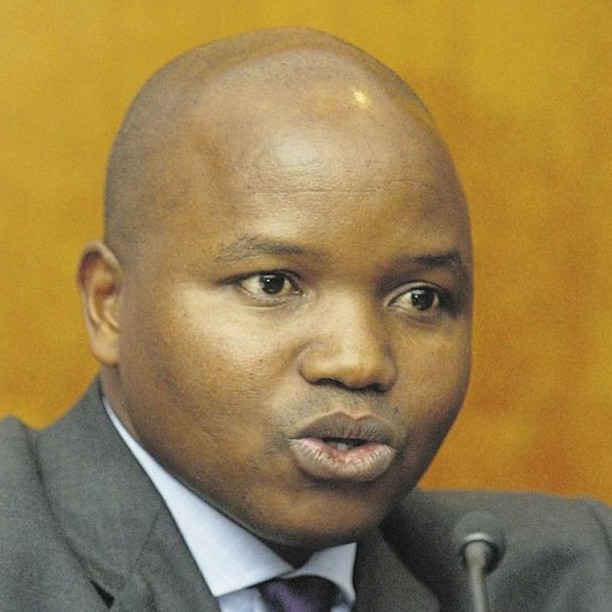
This article dives into his career, investments, and challenges, offering actionable insights for professionals. Expect specifics—deals, strategies, and lessons—delivered with clarity.
Background and Early Life
Mangalani Peter Malungani was born on March 28, 1958, in Limpopo, South Africa. Details of his early life are scarce, but Limpopo’s rural landscape, rich in minerals like platinum and coal, shaped his entrepreneurial mindset. Growing up in a region of economic contrast—where poverty met mining wealth—likely fueled his ambition. His family background remains private, but his later success suggests a foundation of discipline and opportunity.
Education played a role, though specific institutions are unconfirmed. Malungani likely studied business or finance, given his expertise. In the 1970s and 1980s, South Africa’s apartheid era limited opportunities for black entrepreneurs, yet Malungani persevered. He entered the workforce as apartheid waned, positioning himself for the post-1994 economic boom. Professionals can learn from this: timing matters, but resilience creates breakthroughs. Malungani’s early years taught him to navigate systemic barriers, a skill that defined his career.
Career and Business Ventures
Malungani’s career centers on the Peu Group, a conglomerate he founded. Peu spans financial services, energy, and property, with a controlling interest in financial institutions like banks and insurance firms. Its energy division, notably Peu Capital Partners, secured a controversial R27 billion contract with Tshwane Municipality in 2013 for prepaid electricity metering (). This deal, covering meter rollouts and revenue collection, showcased Peu’s scale but drew scrutiny, discussed later.
As a director at Investec, a global banking giant, Malungani influences investment strategies. His role at SuperGroup, a logistics and mobility firm, leverages South Africa’s transport sector, valued at R500 billion annually. These board positions, earning R1–R2 million yearly each, bolster his wealth. Peu’s diversified portfolio—banking, energy, property—mirrors conglomerates like Bidvest. Malungani’s ventures teach a key lesson: diversify to mitigate risk. Professionals should explore multiple sectors, balancing high-risk (energy) and stable (finance) investments.
How They Got Rich
Malungani’s wealth stems from strategic diversification. Peu Group’s financial services arm generates steady revenue, with banking and insurance yielding high margins. The energy sector, though riskier, offers big wins—Peu’s Tshwane contract, despite controversy, likely netted millions in profits. Property investments, common among Limpopo’s elite, add stability; Malungani likely owns commercial or residential assets, given Peu’s real estate focus.
His board roles amplify earnings. Investec directors earn R1.5 million annually, while SuperGroup pays similarly. Strategic timing helped: Malungani capitalized on South Africa’s post-apartheid growth, particularly in black economic empowerment (BEE) deals. Peu’s partnerships with municipalities and corporations reflect this. Professionals can emulate his approach: align with emerging markets, secure high-value contracts, and leverage governance roles for influence and income.
Peter Malungani’s Net Worth
Peter Malungani’s net worth is estimated at R1.7 billion (~$94 million USD) as of 2020–2023, per sources like Mzansi Extreme and Opera News (,). Earlier 2021 estimates of $100,000 seem inaccurate, given Peu’s scale (,). No 2025 data confirms growth, but Peu’s ongoing operations and Malungani’s board roles suggest stability. In USD, R1.7 billion equates to $94 million at 18 ZAR/USD.
His wealth breaks down as:
- Peu Group: Revenue from finance, energy (e.g., Tshwane contract), and property, likely hundreds of millions annually.
- Board Roles: R2–R4 million yearly from Investec and SuperGroup.
- Assets: Probable real estate and equity stakes in Peu subsidiaries.
This diversified portfolio underscores a lesson: spread risk across industries. Malungani’s net worth reflects not one deal but a web of calculated moves.
Investments, Assets, and Philanthropy
Peu Group’s investments include financial institutions, energy infrastructure, and property. The Tshwane contract involved rolling out prepaid meters across residential and commercial sectors, a R27 billion project (). Malungani likely holds commercial properties in Limpopo or Gauteng, where prime real estate fetches R50–R100 million. Personal assets—homes, vehicles—are private but inferred to be substantial, given his status.
Philanthropy is less documented. Limpopo’s wealthy often support local education or health, and Malungani may contribute quietly. His Investec role, emphasizing corporate social responsibility, suggests community involvement. Professionals should note: strategic investments (property, infrastructure) build wealth, while giving back strengthens legacy. Malungani’s low-profile giving, if existent, could inspire discreet impact.
Personal Life and Interests
Little is known about Malungani’s personal life. Born in 1958, he’s likely married with children, common for South African executives. His interests, inferred from his career, include finance, governance, and economic development. Limpopo’s cultural heritage—Venda and Tsonga traditions—may influence his values. He appeared on Carte Blanche, discussing business, hinting at media engagement ().
His boardroom focus suggests a disciplined lifestyle, possibly enjoying golf or travel, typical of South Africa’s elite. Professionals can learn from this balance: a strong career doesn’t preclude personal passions. Malungani’s private nature shows that success doesn’t require public flaunting.
Challenges and Controversies
Malungani faced scrutiny over Peu’s R27 billion Tshwane contract in 2013. AfriSake, a watchdog, called it “blatantly corrupt,” alleging inflated costs for prepaid metering (). The deal, covering meter rollouts and revenue collection, sparked legal action. Malungani, as Peu’s founder, was linked by association, though no personal charges emerged. The controversy highlights public-private partnership risks.
Navigating South Africa’s BEE landscape also posed challenges. While BEE opened doors, it invited skepticism about merit versus policy-driven success. Malungani’s resilience—maintaining Peu’s growth and board roles—teaches a lesson: address criticism with results. Professionals should anticipate scrutiny in high-stakes deals and focus on delivery.
Awards and Recognition
No specific awards are tied to Malungani, but his Investec and SuperGroup roles confer prestige. Peu’s Tshwane contract, despite controversy, reflects industry trust in his leadership. Recognition in Limpopo’s business community, as noted in wealth rankings, adds credibility (). For professionals, this shows that influence often outweighs trophies. Malungani’s legacy lies in deals closed, not plaques won.
Business Philosophy
Malungani’s philosophy, inferred from Peu’s growth, emphasizes diversification and partnerships. He built Peu across finance, energy, and property, reducing reliance on one sector. His Tshwane deal shows boldness in securing large contracts. Board roles reflect a focus on governance and influence. This approach—spread risk, align with power, take big swings—offers a blueprint: professionals should diversify ventures and seek strategic alliances.
Impact on Industry
Malungani shapes South Africa’s finance and energy sectors. Peu’s financial services arm strengthens banking access, while its energy projects, like Tshwane’s metering, modernize infrastructure. His Investec role influences global investment, and SuperGroup supports logistics growth. Compared to Mike Nkuna (R2 billion), Malungani’s impact is quieter but broad. He proves mid-tier conglomerates can drive change, inspiring entrepreneurs to think big locally.
NYDA Business Funding: Grow Your Startup Now
Conclusion: Peter Malungani’s Net Worth
Peter Malungani’s net worth, estimated at R1.7 billion, reflects a career of strategic brilliance. From founding Peu Group to directing Investec and SuperGroup, he’s navigated finance, energy, and property with finesse. His story—marked by bold deals, quiet resilience, and occasional controversy—offers a roadmap for professionals. Build diverse ventures, seize opportunities, and weather storms. Malungani’s legacy proves wealth follows vision and grit.
Get the latest entrepreneurial success stories, expert tips, and exclusive updates delivered straight to your inbox — Sign up for Entrepreneur Hub SA’s newsletter today!