Skip to content
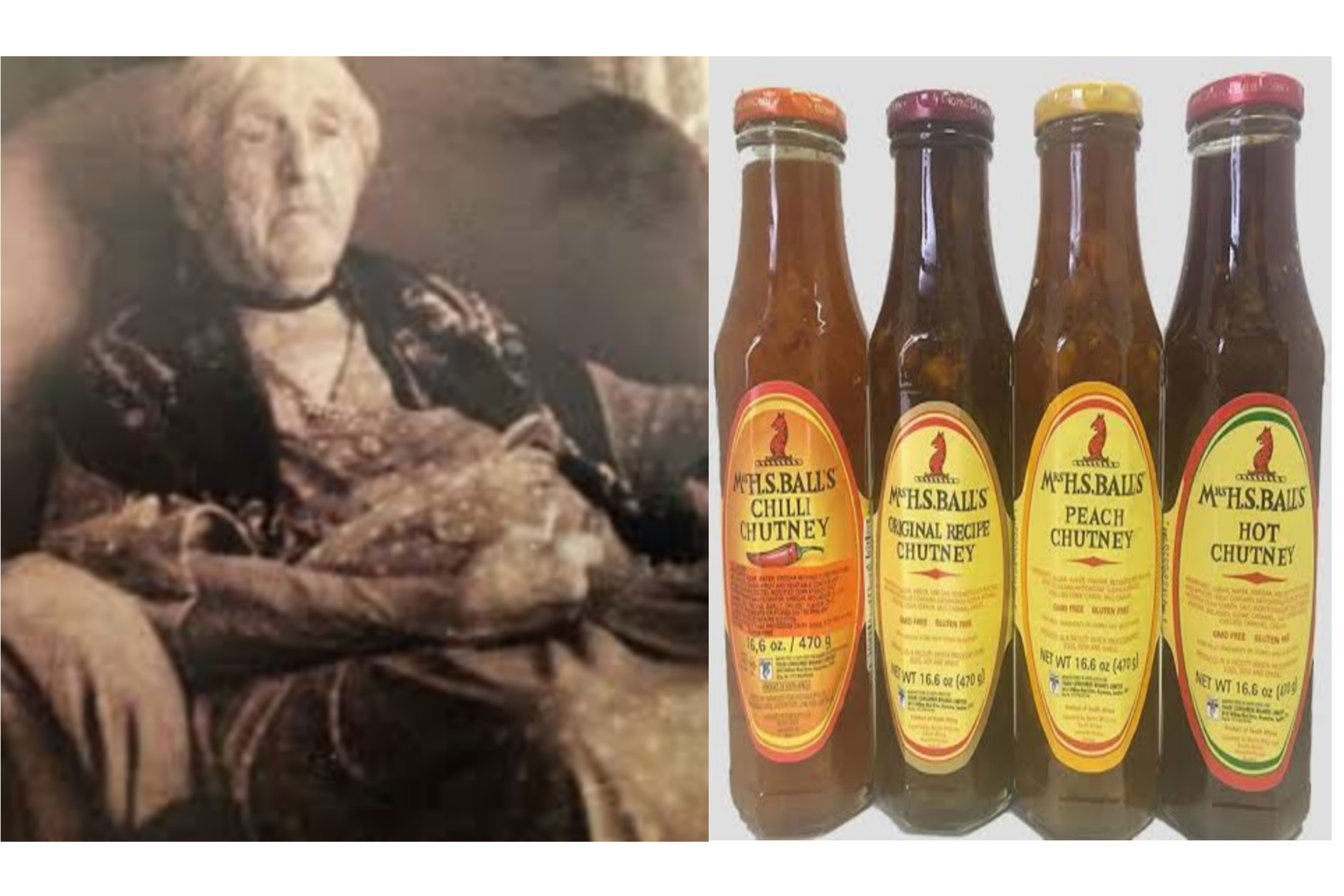
For over a century, Mrs HS Ball’s Chutney has been a staple on South African dinner tables. Its tangy, sweet, and spicy flavors have become synonymous with braais, bobotie, and cheese sandwiches. But behind this iconic condiment lies a story of perseverance, innovation, and family legacy. The Mrs HS Ball’s Chutney Success Story is not just about a recipe—it’s about how a humble home industry grew into a global brand.
The Origins: A Family Tradition
The tale of Mrs HS Ball’s Chutney begins not in a grand factory, but in a small kitchen in Fort Jackson, Cape Colony. Sarah Adkins, Amelia Ball’s mother, started making chutney commercially in 1870. Her recipe, a blend of dried apricots, spices, and a secret ingredient, was a hit locally. However, Sarah struggled with branding. Her initial label, “Mrs Henry Adkins Senior, Colonial Chutney Manufacturer, Fort Jackson, Cape Colony,” was a mouthful.

Amelia, one of Sarah’s 12 children, inherited her mother’s passion for chutney-making. After marrying Herbert Saddlethon Ball in 1886, Amelia moved to Johannesburg, taking the recipe with her. While raising seven children, she continued the tradition, selling her chutney at church bazaars during World War I. It was during this time that Amelia refined the recipe, creating the version we know today.
From Home Kitchen to Global Brand
In 1921, Herbert retired, and the Ball family moved to Fish Hoek, Cape Town. Amelia continued making chutney on a small scale, while Herbert sold bottles in central Cape Town. Their big break came when Herbert met Fred Metter, a food exporter. Metter recognized the potential of Amelia’s chutney and helped market it. Sales skyrocketed.

By the 1950s, the business had outgrown its Fish Hoek premises. The Balls established larger factories in Diep River and Retreat. In 1957, Mrs HS Ball’s Chutney was exported to England for the first time. By the early 1960s, over two million bottles were sold annually.
The Secret Recipe: A Closely Guarded Legacy
The original recipe remains a mystery, but over the years, cooks have speculated about its ingredients. Apricots, peaches, sugar, grape vinegar, onions, salt, and cayenne pepper are believed to be key components. The replacement of dried apricots with mixed fruit and the addition of a secret ingredient set it apart from Sarah Adkins’ original recipe.
Today, five flavors are produced: original, chilli, peach, hot, and tomato. Over 8,000 bottles are made daily, catering to local and international markets.
A Legacy That Lives On

Amelia Ball passed away in 1962, but her legacy endures. The family business was sold to Brooke Bonds Oxo in the 1970s, later acquired by Unilever, and finally by Tiger Brands in 2012. Despite changes in ownership, the brand has retained its authenticity and popularity.
Mrs HS Ball’s Chutney is now exported to countries like the UK, Germany, Australia, and New Zealand. It remains a beloved addition to South African cuisine and a testament to the power of a good recipe and strong branding.
How Luno Became Successful: The Building of a Crypto Empire
Conclusion: The Enduring Appeal of Mrs HS Ball’s Chutney Success Story
The Mrs HS Ball’s Chutney Success Story is a testament to the power of tradition, innovation, and resilience. From a small kitchen in Fort Jackson to a global brand, this iconic condiment has stood the test of time. Whether you’re enjoying it at a braai or adding it to a sandwich, every bite tells a story of passion and perseverance.
Get the latest entrepreneurial success stories, expert tips, and exclusive updates delivered straight to your inbox — Sign up for Entrepreneur Hub SA’s newsletter today!