 Skip to content


How much do traffic cops earn is a question many South Africans ask—especially those considering a career in law enforcement or looking to understand public sector pay. Compare SAPS ranks and remuneration for a different law-enforcement employer and rank system.
Identify the traffic officer's employer before comparing salaries
Updated 19 October 2026: practical guidance added.
Traffic-law enforcement roles can be advertised by different provincial or municipal employers. Compare the recruiting organisation, job requirements, salary level and working arrangement in the specific notice. A municipal package, provincial salary and training allowance should not be merged into one national starting figure.
Ask how normal hours, shift work, overtime and benefits are treated. Where a figure is an annual package, establish which components it already includes before calculating a monthly equivalent. Keep the published advert for reference during recruitment and check any offer against it. Training acceptance and appointment to a paid post are separate steps, so verify what the particular opportunity actually provides rather than assuming a training programme guarantees a later job.
Official information relevant to this section.
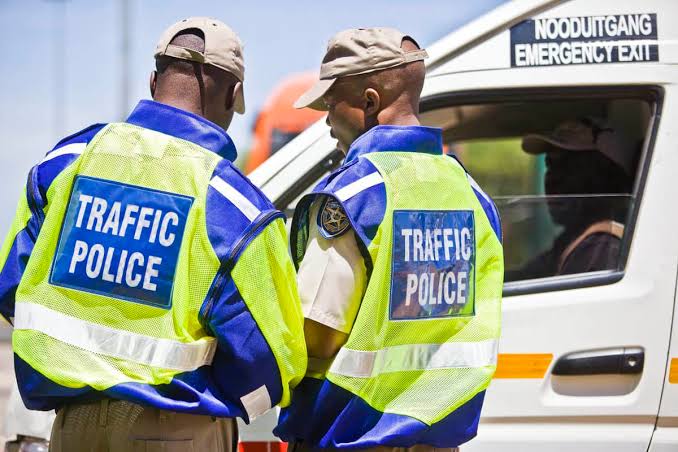
The answer isn’t one-size-fits-all. It depends on several key factors: location, years of service, rank, and municipality budget.
Entry-Level vs. Senior Officer Salaries
Starting salaries for traffic officers usually range between R9,000 and R14,000 per month. This is for trainees or those with under two years of experience. Senior officers or those with over 10 years of service can earn upwards of R25,000 to R30,000 per month.
In high-traffic metro areas like Johannesburg or Cape Town, pay is often higher due to demand, risk exposure, and cost of living adjustments.
Qualification Requirements That Influence Pay
Before becoming a traffic cop, one must complete the accredited Traffic Officer qualification—often through the Road Traffic Management Corporation (RTMC) or an approved training academy. Possessing additional skills, such as motorbike licenses, alcohol testing certifications, or radar operation training, can boost earnings or eligibility for specialized units. Consult RTMC’s official training information for the training context and the actual employing authority’s current vacancy for pay and eligibility.
How Provincial Differences Impact Salary
Traffic officers working under provincial departments like the Gauteng Provincial Government tend to earn more than those employed at local municipality levels. Urban areas with higher volumes of vehicles and enforcement needs—like Durban, Pretoria, and Cape Town—typically offer larger compensation packages compared to rural towns.
Monthly Allowances and Benefits
In addition to a base salary, traffic officers may receive:
- Danger allowances
- Uniform stipends
- Night shift allowances
- Performance bonuses
- Medical aid and pension contributions
These extras can amount to an additional R2,000 to R5,000 monthly, depending on the region and department.
How Experience and Rank Shift the Payscale
Just like with most government roles, time in service and promotion through ranks significantly affect income. A basic officer can become a senior inspector, chief traffic officer, or superintendent over time. Each step up adds thousands to the monthly paycheck. Promotions also bring responsibility, including managing teams or overseeing entire zones. The article on South African road-safety risks gives road-safety context alongside the enforcement career discussion.
Comparing Traffic Cops to SAPS Salaries
Although traffic officers operate separately from SAPS (South African Police Service), their roles are often compared. SAPS officers typically earn more at the entry level but have broader responsibilities. Traffic cops, on the other hand, focus solely on enforcing road laws, checking vehicle compliance, and managing public road safety.
How Much Do Traffic Cops Earn in the Private Sector?
Some traffic enforcement is outsourced or tied to parastatal entities. Officers in these setups might be paid slightly more but may lose out on certain government-linked benefits. However, private sector officers are rare and usually work in logistics hubs, ports, or event-based traffic management.
Job Growth and Future Salary Outlook
The job market for traffic officers is stable. With ongoing road safety challenges and stricter enforcement campaigns, demand remains high. That said, salary increases are often tied to national budget adjustments. With inflation and cost of living increases, it’s expected that wages will continue to rise modestly in the coming years.
Perks and Challenges of the Role
Being a traffic cop isn’t just about issuing fines. The job involves long hours, exposure to danger, and intense public scrutiny. But it also comes with job security, state benefits, and opportunities for advancement. Those who stay the course can build a long-term, stable career within the public safety ecosystem.
How Much Do Traffic Cops Earn – Final Word
How much do traffic cops earn depends on more than just a job title. Experience, province, rank, and additional duties all shape the final number. For those committed to public service and road safety, this career path offers consistent pay, job stability, and long-term benefits. Read public-sector wage context for broader public-sector remuneration context, while checking the actual traffic-service vacancy.


