 Skip to content

The discussion around “Alan Knott-Craig net worth” often leads to a broader conversation about entrepreneurial success and impact in South Africa’s tech landscape. Alan Knott-Craig, known for his ventures like Project Isizwe and HeroTel, has not only influenced the digital infrastructure but also the economic narrative. His journey from a chartered accountant to a tech mogul is a testament to how individual innovation can shape national connectivity and growth.
Background
Alan Knott-Craig (jnr) was born on the 14th of August 1977 in Pretoria, he’s an entrepreneur and author, famously known for launching Project Isizwe, which is an NGO advocating for the provision of free WiFi to all low-income communities in Africa.
He’s also the executive chairman of Hero Telecoms, Ever Africa, and Happimo NPC.
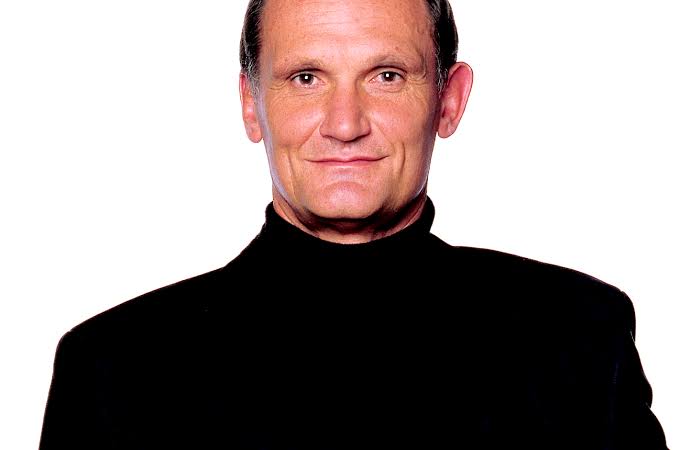
He’s the son of Alan Knott-Craig (Senior), the former General Manager of Mobile Communications at Telkom, former CEO of Vodacom(1996 – 2008) and Cell C(2012 – 2014).
WATCH|| Dj Sbu’s Top 10 Rules For Success
Growing up, Alan was mostly schooled by his mother, a qualified teacher, she ran a kindergarten. He went to Glenstantia Primary School by age 6, graduating to Glen High School in 1991.
In 1996, Alan was accepted for BCom Accounting at Nelson Mandela Metropolitan University. He completed the qualification in record time and further enrolled for BCom Honours in Accounting. He did his 2 year article requirement at Deloitte Cape Town between 2000 and 2002.
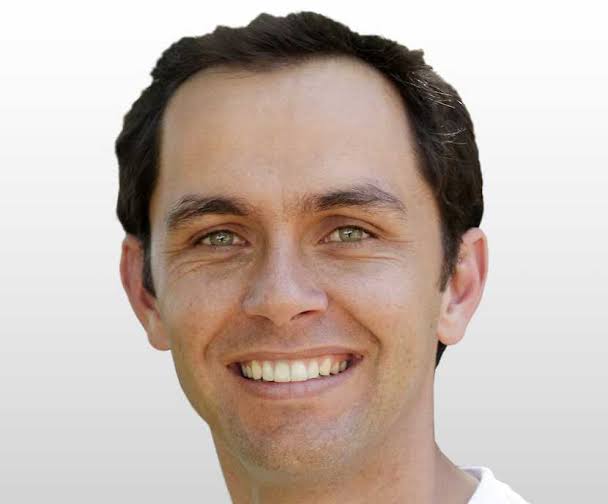
Alan knows telecoms like the back of his hand, because it was discussed at dinner tables most of his whole life. He loves it dearly and its in his blood….
….but when he finally qualified as a Chartered Accountant, he didn’t have the desire to work for Vodacom and MTN wasn’t hiring at that time, so he started looking for jobs in the banking sector.
How Brian Joffe Turned Bidvest Into A Multibillion Conglomerate
In late 2002, Alan moved to the US, where he worked in the New York City office of Deloitte USA for a short stint.
Deep down, he always wanted to work for his own money from ground zero. For some reasons, Alan never wanted to let his father’s wealth be a reason to feel relaxed. At some point, he even asked his father to take him out of the will.
Alan married Sibella Bosman in 2002, they have three daughters together and live in Stellenbosch.

After returning to South Africa in October 2003, Alan launched Cellfind, one of the country’s first mobile-location-based service providers, where he served as CEO until 2005.

He was appointed as CEO of iBurst in 2006 and from then on, built one of South African’s largest wireless broadband networks. He left iBurst in 2009 after the birth of his first daughter and relocated to Stellenbosch.
Why Ramaphosa’s Ankole Cattle Sells For A Whopping R640 000
He launched and became CEO of World of Avatar in 2010, an investment house for apps for Africa. The startup acquired Mxit in 2011 and Alan became its CEO.
In October 2012, Alan left both Mxit and Word of Avatar after going through multiple disagreements with his partners.
He founded and became CEO of Project Isizwe in 2013, a non-profit company which manages the deployment of the largest public Free Wi-Fi network in SA.
In 2015, he became executive chairman of Herotel, a wireless broadband provider in SA. So far it has become the biggest municipal Wi-Fi network in Africa, most especially in SA, which the Tshwane Wi-Fi model was adopted by the Department of Telecoms and Postal Services for the National SA Connect Broadband Plan.
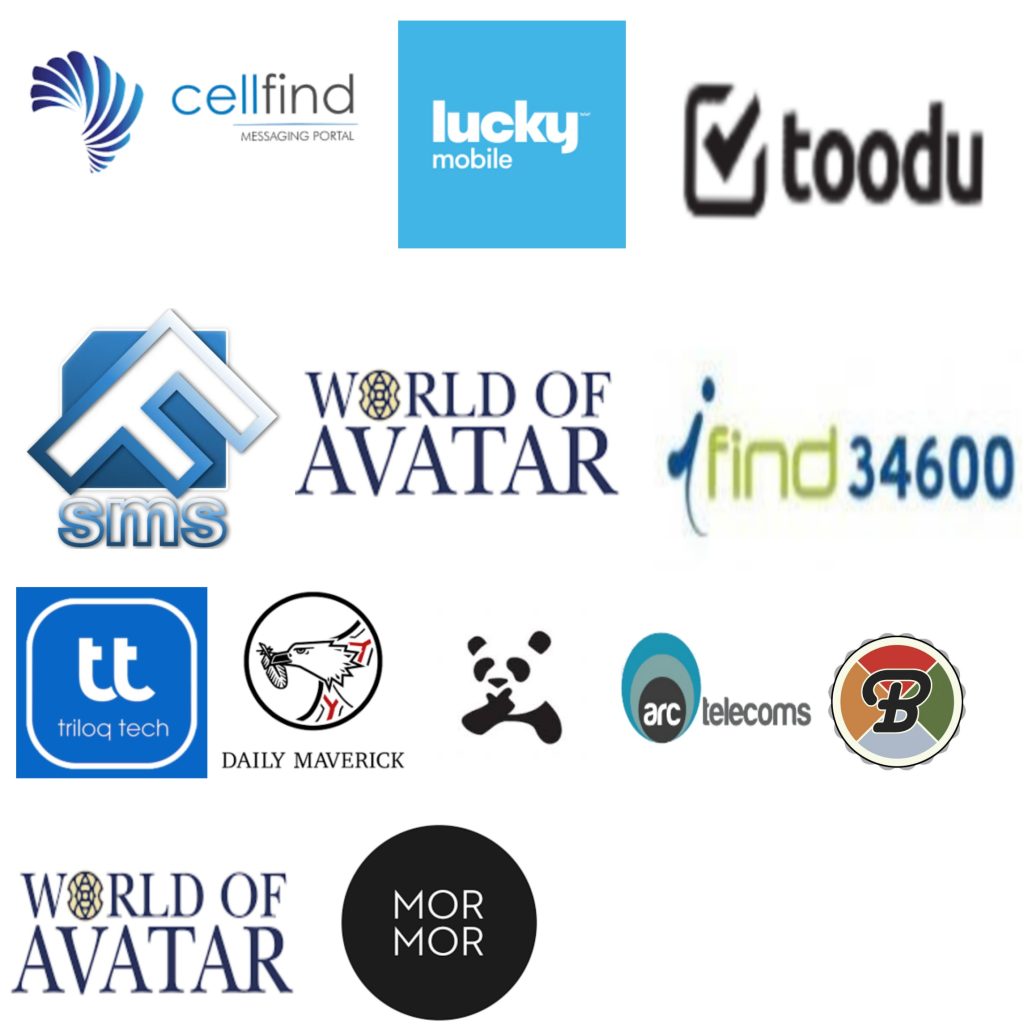
Between 2003 and 2013, Alan co-founded and/or funded these 17 companies in the Technology, Media and Telecommunications sector in Africa which includes:
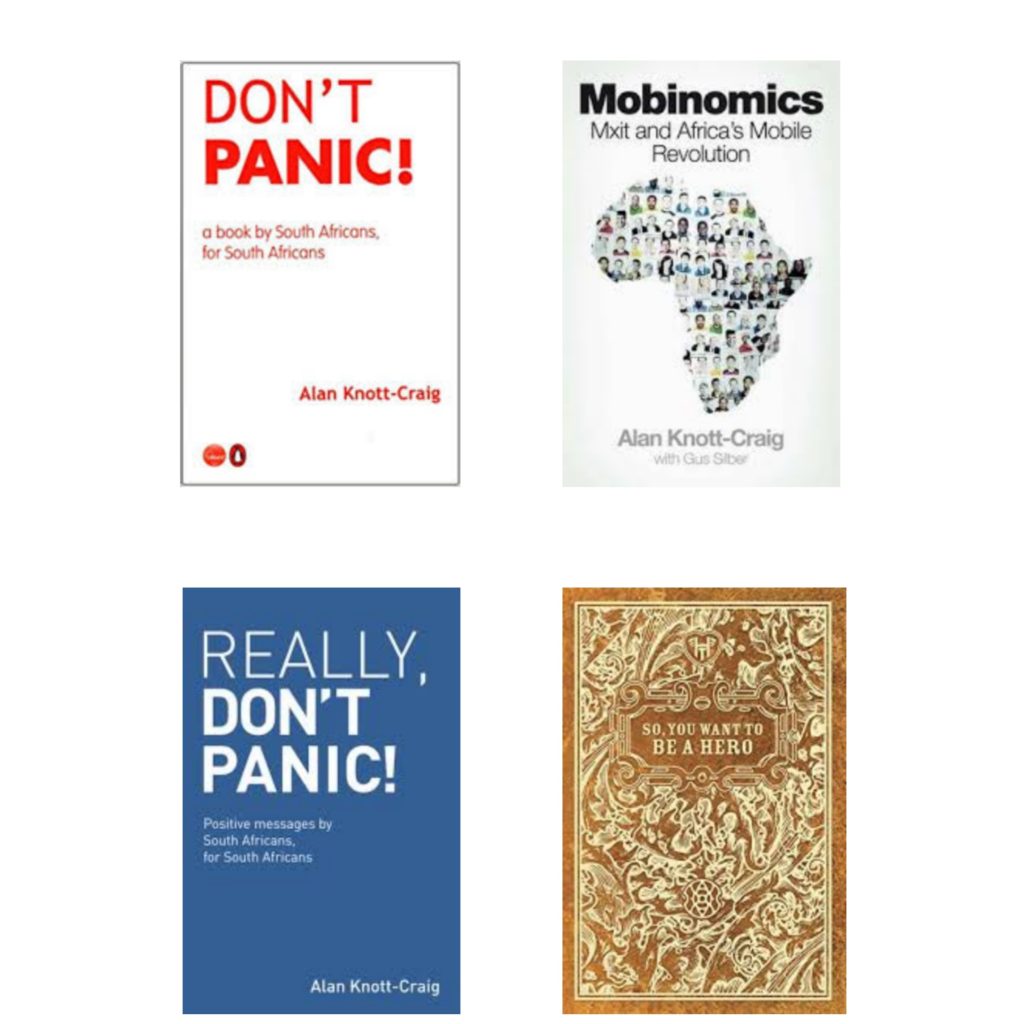
As an author, he has co-authored and/or authored these following books:
Achievements
- Young Global Leader by the World Economic Forum in 2009.
- Forbes listed him as one of the top 10 young African millionaires to watch in 2013. – He was also included in “100 Choiseul Africa”, a list of top 100 young African business leaders in 2014, 2015 and 2016,
- Nominated as the 2015 ICT Personality of the Year by ITWeb.
How Siyanda Dlamini Managed To Build A R350 Million Hotel In Menlyn Pretoria
Build a network…
According to Knott-Craig, founders should try by all means to build a network as its more important than capital.
He says although its not impossible to start your own thing. He reckons you need people to help you out.
Alan Knott-Craig Net Worth…
When it comes to assessing Alan Knott-Craig’s net worth, the landscape in South Africa complicates matters. Tracking the exact financials of an entrepreneur like Knott-Craig, known for founding numerous successful tech ventures, is no easy feat due to the private nature of many business dealings and the lack of publicly available financial statements.
However, given his pivotal role in establishing and growing companies such as Project Isizwe, HeroTel, and his early work with Mxit and Cellfind, it’s clear that his contributions to South Africa’s tech sector have been substantial. His influence in bridging the digital divide through free WiFi initiatives and his continuous involvement in tech startups indicate that Alan Knott-Craig must be worth a considerable sum.
His entrepreneurial journey, marked by innovation and a commitment to social impact, suggests a net worth that reflects not just financial success but also the value he’s added to South Africa’s digital economy.
In closing…
Understanding “Alan Knott-Craig net worth” provides more than just a figure; it offers insight into the value of visionary leadership in South Africa’s evolving tech scene. His contributions through various enterprises have not only built personal wealth but have also propelled initiatives that aim at bridging the digital divide. As we look to the future, the story of Alan Knott-Craig will continue to be one of inspiration and a beacon for aspiring entrepreneurs in the region.