 Skip to content


Updated 7 October 2026: Added context on development history is different from present property ownership.
Hemingways mall owner has shifted over time. Originally built and developed by Billion Group under Sisa Ngebulana, the mall was later managed by Rebosis Property Fund. A contrasting ownership history is found in the story of Maponya Mall.
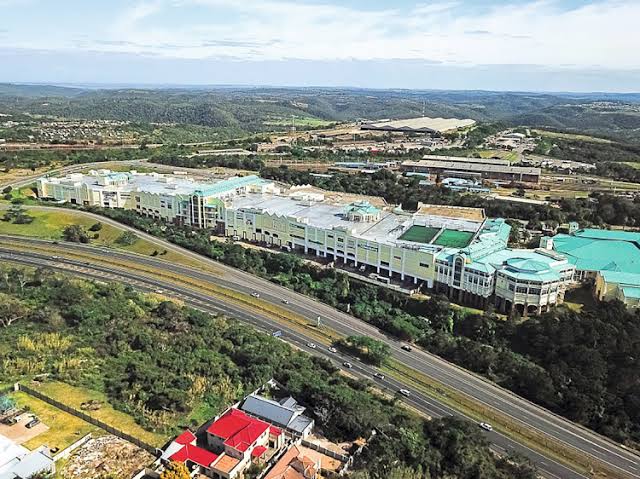
In early 2024, new ownership transferred to Hangar 18 Investments for roughly R1.3 billion. This marks a fresh start for East London’s largest retail destination.
The original developer: Sisa Ngebulana
The Hemingways mall owner began with Dr Sisa Ngebulana’s Billion Group in 2006. His team built and launched the mall in 2009 amid stiff competition. His decision to establish in-house construction and concrete plants demonstrated bold leadership. The mall quickly became the jewel of the region’s retail landscape.
Transition to Rebosis management
After its initial success, the mall became part of Rebosis Property Fund—South Africa’s first black-managed, JSE-listed REIT. The fund acquired several large malls, including Hemingway’s, Baywest, and Forest Hill City. These assets were core to the listed entity’s growth until financial struggles forced a business rescue in 2022. That led to selling off key properties, including Hemingways.
Hangar 18 takes over
In early 2024, Hemingways mall owner was officially updated to Hangar 18 Investments. This R1.3 billion deal, coupled with the acquisition of Baywest Mall, emerged from a business rescue process. The move secured over 50 direct jobs and supported hundreds of retailer roles. Hangar 18 committed to enhancing tenant experience and mall facilities. Hangar 18's property portfolio lists Hemingways Mall among its shopping-centre interests.
Who is Hangar 18?
Hangar 18 is a property investment firm focusing on undervalued retail and commercial centers in South Africa. With this takeover, the company steps into a leadership role in Eastern Cape retail—signaling long-term investment and planned upgrades. Retail-property pressures are also explored in our article on Cherry Lane Shopping Centre.
Implications for tenants and shoppers
The Hemingways mall owner handover seems positive:
- Tenants expect upgrades and improved support
- Consumers may enjoy better maintenance and security
- Community anticipation is high for aesthetic and service enhancements
Hangar 18’s management style emphasizes accessibility and responsiveness to tenant needs.
Regional significance & competition
Located on the N2 between Port Elizabeth and Mthatha, Hemingways draws 9 million annual visitors across a 75,000 m² retail footprint. As East London’s largest shopping hub, it’s a critical player in a region with limited regional competition. Mall ownership matters deeply for broader economic activity.
Future plans under new ownership
Hangar 18 intends to:
- Revamp tenant mix and mall aesthetics
- Introduce events and lifestyle offerings
- Boost dining and entertainment zones
- Coordinate with Century City for cohesive precinct planning
Their acquisition reflects confidence in both consumer demand and East London’s retail potential.
Challenges facing the new owner
Despite optimism, the Hemingways mall owner faces hurdles:
- Rebuilding post-COVID foot traffic
- Addressing load-shedding or security threats
- Adapting tenant selection to evolving shopping habits
Successful ownership will depend on thoughtful community engagement and service innovation.
Lessons for property investors
The Hemingways case offers insights:
- Bold initial investment can drive long-term regional value
- Anchor tenants and location matter
- REIT models can falter under economic stress
- A strong turnaround brand can stabilize performance post-sale
Development history is different from present property ownership
Hemingways Mall’s original development story explains how the project came into being. It should not be treated as a complete current ownership register. A developer can create a project, bring in investors and later sell an interest while the mall continues trading under the same name.
The property company, investment fund, management company and tenants can also be separate parties. A shop’s lease concerns its use of space; it does not give the retailer ownership of the centre. This distinction helps readers understand announcements about acquisitions or management changes.
For a business considering a location, the founder story is background rather than a substitute for site assessment. Examine access, available units, the customer catchment and the relevant lease costs. The neighbouring tenant mix can matter as much as the overall size of the centre.
The entrepreneurial lesson is to connect a development vision with its ongoing use. A mall has to remain useful to retailers and shoppers after construction. Dated project and ownership records explain its investment history, while current premises information supports an individual trading decision.
Final thoughts
Hemingways mall owner now sits with Hangar 18 Investments—marking a key recovery step post-Rebosis business rescue. This change signals fresh investment, potential upgrades, and community optimism. East London stands to gain from enhanced retail vibrancy and regional economic stability under new stewardship. For another large centre's ownership structure, read about Fourways Mall.


