Skip to content
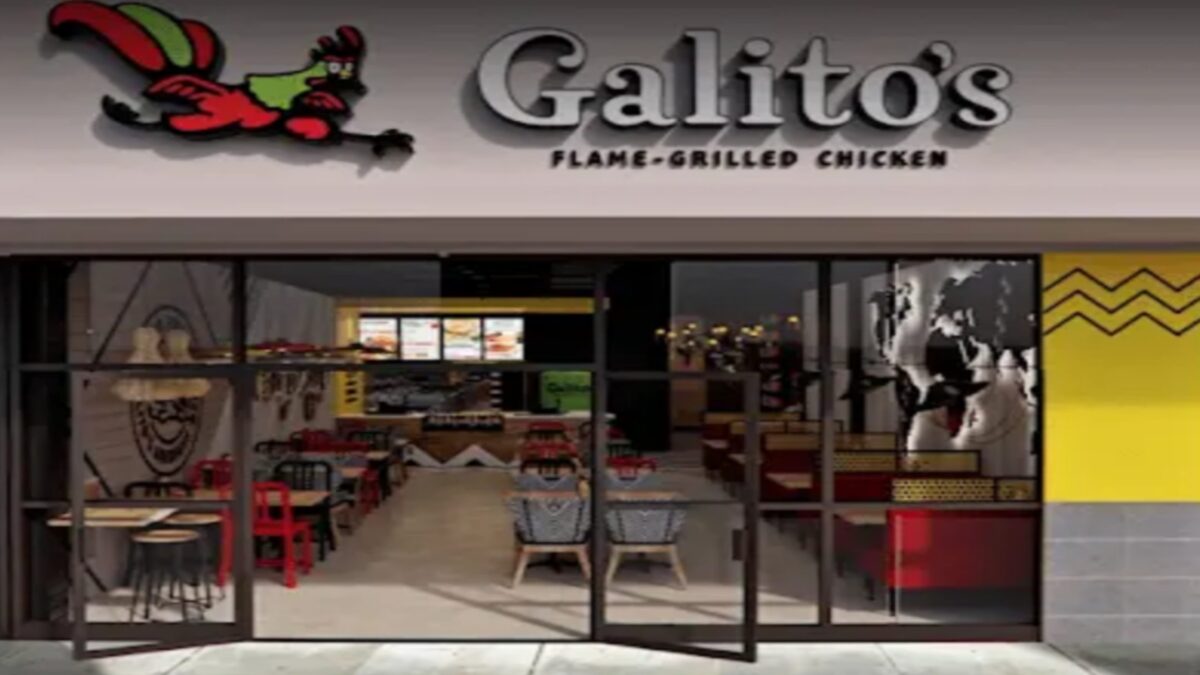
Galito’s franchise cost grabs attention fast—it’s the golden ticket to joining a brand serving a million Piri-Piri chicken dishes monthly. Picture this: 250 outlets across 15 countries, sizzling with Afro-Portuguese flavor, and a 35% year-on-year sales growth. That’s Galito’s today, a South African-born phenomenon racing toward its 300th store by year’s end. For entrepreneurs, it’s a chance to rule their own roost. But what does it take to get in? This guide unpacks the numbers, the process, and the gritty realities of owning a Galito’s franchise, step by actionable step.
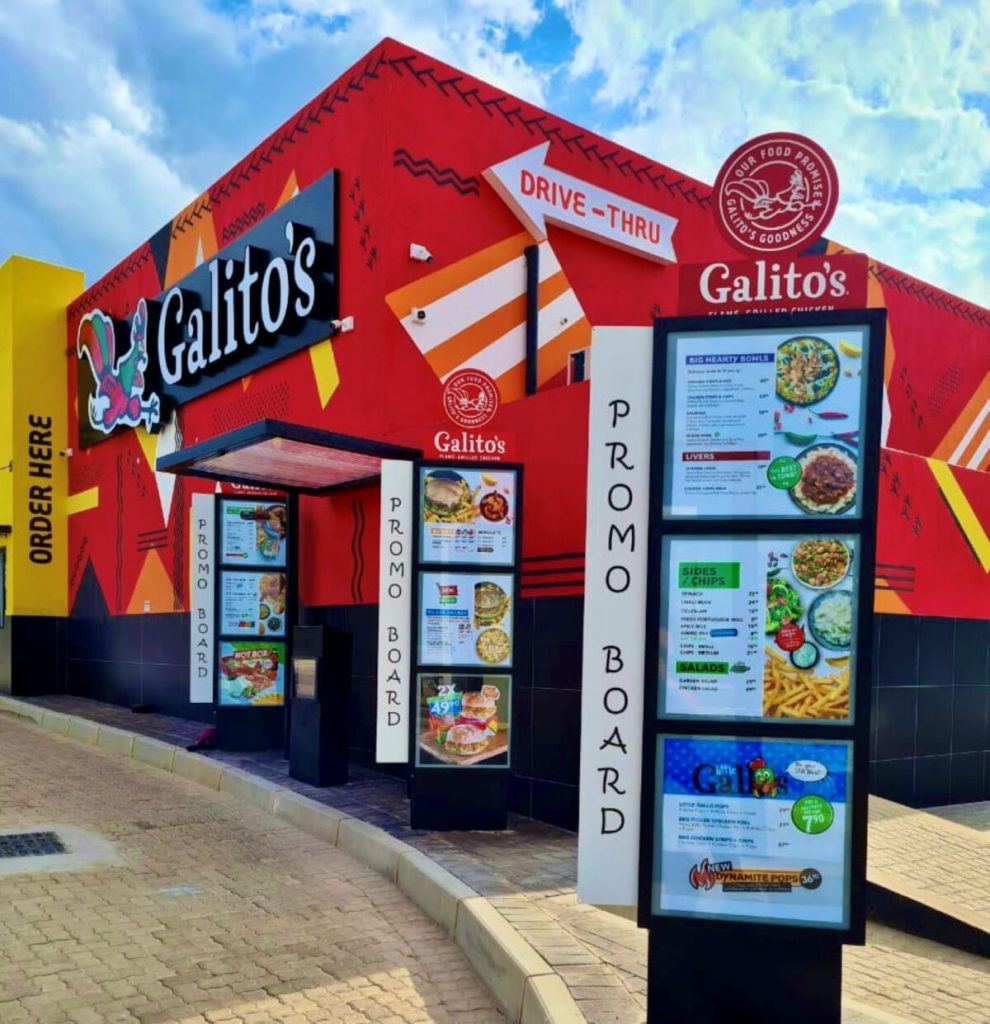
The journey starts with cash—cold, hard, unencumbered cash. Galito’s demands 50% of the investment upfront, no loans attached. For a standard store, that’s R1.3 million to R2.2 million total, meaning at least R650,000 from personal funds. The rest? Bank loans or investors can cover it. Costs shift based on location, store size, and condition, but this range is the baseline. It’s not cheap. Yet, with a gross profit margin hovering at 54% and a potential return on sales of 10–18%, the payoff could be worth it.
Why Galito’s? It’s not just chicken—it’s a system. Franchisees get a turnkey setup: site selection, staff training, and a supply chain delivering fresh ingredients straight from certified kitchens. The brand’s founder, Louis Germishuys, built this from a garage in Mbombela into a global player. Now, his team supports every franchisee, ensuring each outlet mirrors the quality that’s fueled decades of growth. Ready to explore? Let’s dive into the details.
What’s Included in the Galito’s Franchise Cost?
The Galito’s franchise cost isn’t a mystery—it’s a package. For R1.3 million to R2.2 million, franchisees secure a fully operational store. Break it down: R130,000 covers the initial franchise fee. That’s the entry price, non-negotiable, paid upfront. Then comes the buildout—internal construction, wet works, shop-fitting, and operational equipment like grills and point-of-sale systems. External signage lights up the brand, while internal screens flash the menu. Staff uniforms and training? Included. Even restaurant design and project management fall under this umbrella.
Store size matters. A compact 60-square-meter GaliPod leans toward the lower end—around R10,000 per square meter. A sprawling 300-square-meter High Street outlet? Expect R18,000 per square meter, pushing costs higher. Location tweaks the bill too. A rundown site needs more work; a prime spot might demand higher rent. The average, though? Around 120 square meters, balancing cost and capacity.
Ongoing fees bite into profits. Royalties run at 5% of monthly turnover—sell R500,000, pay R25,000. Marketing fees add 4%, another R20,000. That’s R45,000 monthly before food costs (46% of sales) and labor. Numbers shift with turnover, but franchisees must plan for these. Galito’s estimates a 3–5-year return on investment, assuming solid sales. It’s a marathon, not a sprint.
Different Outlet Types and Their Costs
Galito’s offers variety—four outlet “flavors,” each with distinct costs and vibes. Franchisees pick based on budget, market, and goals.
High Street Outlets thrive in busy zones. Think bustling city corners with heavy foot traffic. Setup costs climb here—closer to R2.2 million—because prime real estate demands premium finishes and visibility. Revenue potential soars, though, with customers streaming in naturally.
Food Court Counters sit in malls or fuel stations. Smaller, centralized, and cost-effective, they range from R1.3 million to R1.8 million. The draw? High traffic without the standalone overhead. Shoppers grab a quick meal amid a social buzz—perfect for urban franchisees.
Casual Dining outlets prioritize comfort. These larger spaces, often 200–300 square meters, hit the upper cost bracket—R2 million or more. They shine internationally but work in South Africa when placed strategically, like near business hubs. Customers linger, boosting ticket sizes.
GaliPods are the wild card. Compact, container-based, and mobile, they target rural or seasonal spots. Costs dip to R700,000–R1.3 million, per 2022 data from Galito’s site. Lower capital makes them enticing in tough times, though turnover might lag behind urban stores—R150,000 monthly versus R300,000-plus for High Street.
Each type fits a niche. Franchisees weigh location data, customer flow, and cash reserves to choose. Galito’s team assists, but the decision’s theirs.
Who Can Afford a Galito’s Franchise?
Not everyone’s cut out for this. Galito’s screens for financial muscle and grit. The 50% unencumbered cash rule—R650,000 to R1.1 million—filters out dabblers. Banks want collateral for the rest, so creditworthiness counts. Total net worth? Likely R2.5 million or higher to play it safe.
Experience helps. Restaurant or hospitality backgrounds give an edge—Galito’s prefers involved operators, not absentee owners. No formal degree’s required, just a matric certificate and basic computer skills. Entrepreneurial spirit seals the deal: franchisees must hustle, manage teams, and charm customers.
Community focus matters too. Galito’s pushes job creation—nearly 3,000 people work globally across its outlets. Franchisees who buy into this ethos thrive. It’s less about deep pockets alone and more about aligning with the brand’s mission.
Steps to Secure a Galito’s Franchise
The process isn’t a maze, but it takes time—12–14 weeks from signing to opening. Here’s how it unfolds:
- Inquiry: Visit galitos.co.za/franchise-request. Fill out the form—name, contact, financials. Galito’s responds within days.
- Screening: They assess cash, experience, and intent. A call or meeting follows. Be ready to prove funds.
- Site Selection: Galito’s suggests spots—High Street, malls, rural zones. Franchisees scout and propose too. Approval locks it in.
- Agreement: Sign the contract. Pay the R130,000 fee. Legal review’s smart here—terms bind for years.
- Buildout: Construction kicks off. Galito’s manages design, equipment, and fit-out. Costs align with the R1.3–R2.2 million range.
- Training: Staff learn the ropes—grilling, service, systems. Franchisees get operational manuals and coaching.
- Launch: Doors open. Marketing kicks in—local ads, promos. Galito’s support team stays close.
Delays happen—permits, construction hiccups. Budget an extra month. Once live, the real work begins: driving sales.
Financial Realities: Profits, Risks, and Rewards
Numbers don’t lie. A Galito’s store averaging R500,000 monthly turnover—realistic for a decent location—yields a 54% gross profit: R270,000. Subtract food costs (46%, or R230,000), and it’s R40,000 before fees. Royalties (R25,000) and marketing (R20,000) drop it to R225,000. Labor, rent, utilities? Say R150,000. Net profit: R75,000 monthly, or R900,000 yearly. That’s a 10–18% return on sales, matching Galito’s estimates.
Risks lurk. Slow starts—R300,000 turnover—slash profits to R20,000 monthly. Bad locations tank revenue. Competition from Nando’s or KFC can sting. Economic dips hit discretionary spending—chicken’s not immune. Galito’s cites a 3–5-year ROI, but that assumes hustle and market fit.
Rewards tempt. Top stores hit R800,000 monthly, netting R150,000 after costs. Multi-unit owners—half of Galito’s franchisees—scale faster. Growth’s baked in: 35% yearly sales jumps signal a hungry market. It’s a grind, but the numbers can sing.
South Africa’s Franchise Landscape: Where Galito’s Fits
South Africa loves fast food. KFC dominates with 900+ stores, Nando’s trails at 300. Galito’s, with 160 local outlets, punches above its weight. Its flame-grilled niche—healthier than fried—taps a growing trend. Stats from BusinessTech (2018, updated via web) peg KFC’s franchise cost at R6 million, Nando’s at R7 million. Galito’s R1.3–R2.2 million entry looks lean by comparison.
The catch? Saturation. Urban hubs teem with options—franchisees must nail site choice. Rural GaliPods dodge this, but foot traffic’s thinner. Galito’s expansion push—300 stores by 2025—eyes untapped zones: Limpopo, Mpumalanga, smaller towns. Opportunity’s there, but competition’s fierce.
Support: Galito’s Has Your Back
Franchisees aren’t solo fliers. Galito’s delivers a lifeline: site picks, training, recipes, logistics. The Central Kitchen pumps out fresh chicken and sauces—franchisees focus on cooking, not sourcing. Marketing? National campaigns plus local promo budgets (that 4% fee). Tech streamlines ops—POS systems, inventory tracking.
On-the-ground teams troubleshoot. Sales dip? They analyze. Staff falter? Training refreshes. It’s not hand-holding—it’s partnership. Franchisees still steer, but Galito’s clears the path.
Real Franchisee Stories
Take Palesa Nare, Protea Glen owner. She told Galito’s LinkedIn (2025 post) daily ops demand full commitment—profits followed her grind. Kumar Premjee, Mashishing franchisee, praised head office support—key for his early wins. Both stress involvement: this isn’t passive income. Rural GaliPod owners, per a 2022 galitos.co.za piece, report R150,000 monthly turnovers—modest, but steady, with jobs created locally.
Struggles surface too. X posts (April 2025) hint at R1 million GaliPod costs—some balk at the price. Urban franchisees face rent hikes. Success hinges on execution, not just the brand.
Galito’s Franchise Cost vs. Alternatives
Stack it up. KFC’s R6 million buys a giant network, but royalties hit 6%. Nando’s R7 million demands R230,000 upfront—Galito’s R130,000 fee looks light. Steers, at R1.7 million, matches Galito’s range, but lacks the global footprint. Galito’s edge? Lower entry, scalable models (GaliPods to High Street), and a 54% gross margin trumping Steers’ 50%.
Downside? Brand recognition lags KFC’s. Franchisees build local buzz themselves. For cost-conscious hustlers, Galito’s balances risk and reward.
McDonald’s Franchise in South Africa
Final Thoughts: Is It Worth It?
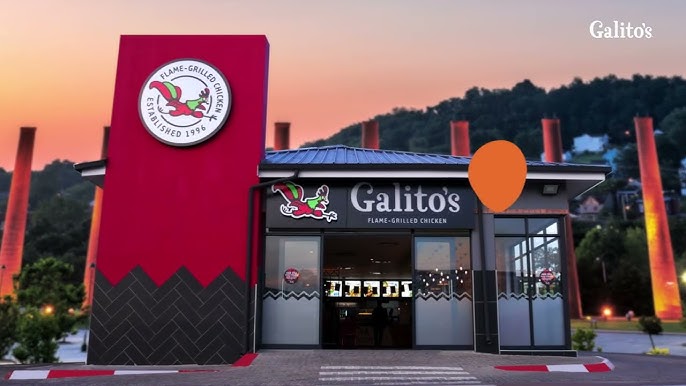
Galito’s franchise cost—R1.3 million to R2.2 million—opens a door to a proven system. It’s not pocket change, but it’s not KFC’s millions either. Franchisees get a brand on fire: 250 stores, 35% growth, a million meals monthly. The catch? Cash upfront, relentless effort, and a smart location pick. For those with R650,000 ready and a stomach for the grind, it’s a shot at owning a flame-grilled empire. The numbers add up—54% margins, 3–5-year ROI—if the work’s put in. Galito’s isn’t just chicken. It’s a business begging for bold players.
Get the latest entrepreneurial success stories, expert tips, and exclusive updates delivered straight to your inbox — Sign up for Entrepreneur Hub SA’s newsletter today!