Skip to content

Dan Marokane’s salary as Eskom’s CEO commands attention in South Africa’s energy landscape. In 2024, Eskom generated 90% of the nation’s electricity, powering homes, businesses, and industries amid rolling blackouts and financial strain. Yet, the compensation of its leader remains a topic of intrigue. How much does Marokane earn for steering this behemoth?
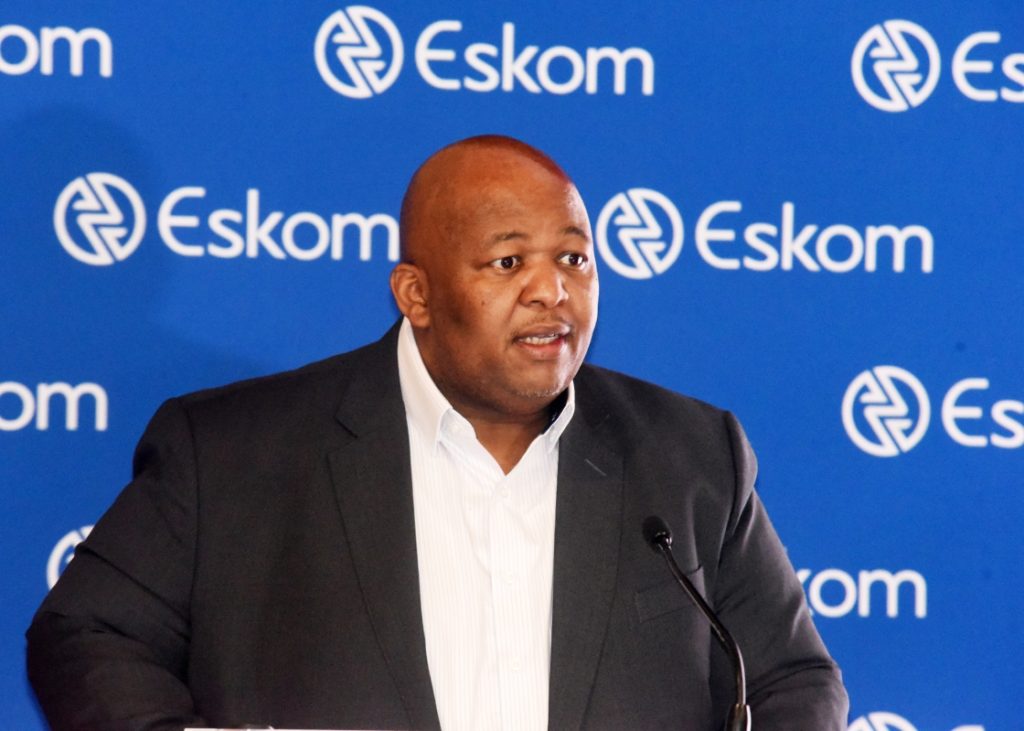
This article peels back the layers of his pay package—salary, bonuses, and long-term incentives—while offering practical takeaways for professionals and investors. From career strategies to understanding state-owned enterprises, readers will find value in every section. Buckle up for a deep dive into one of South Africa’s most scrutinized roles.
Who Is Dan Marokane?
Dan Marokane stepped into Eskom’s CEO role on March 1, 2024, succeeding Calib Cassim. With an MBA and a background in chemical engineering, Marokane brings over two decades of executive experience. His career spans leadership roles at Tongaat Hulett and Sasol, where he honed skills in managing complex organizations. At Eskom, he faces a daunting task: stabilizing a utility plagued by debt, operational challenges, and public scrutiny. Marokane’s appointment signals a focus on technical expertise and strategic vision. His compensation reflects the high stakes of this role.
Eskom, South Africa’s primary electricity provider, operates a vast network of power stations and transmission lines. It serves 26 million households and exports electricity to neighboring countries. Marokane’s leadership is pivotal to its survival. Understanding his salary offers a window into how South Africa values its top executives.
Dan Marokane’s Salary: Breaking It Down
Dan Marokane’s salary as Eskom’s CEO is a closely guarded figure, but estimates provide clarity. Based on Eskom’s 2023/24 annual report and industry benchmarks, his base salary likely ranges between R7 million and R10 million annually. This aligns with compensation for CEOs of major state-owned enterprises in South Africa. However, the base salary is just the starting point. Bonuses, incentives, and perks form a significant portion of his pay.
Base Salary
The fixed salary provides stability. For Marokane, this component covers his day-to-day responsibilities—overseeing 40,000 employees, managing a R400 billion debt, and ensuring electricity supply. Unlike private-sector CEOs, his pay is subject to government oversight. The Department of Public Enterprises sets guidelines for executive compensation, balancing competitiveness with public accountability. In 2023, Eskom’s former CEO, Andre de Ruyter, earned a base salary of R7.1 million, per News24. Marokane’s salary likely matches or exceeds this, adjusted for inflation and role demands.
Performance Bonuses
Bonuses tied to performance are a key driver of Marokane’s earnings. These are linked to metrics like financial recovery, load-shedding reduction, and operational efficiency. For example, if Eskom reduces unplanned outages by 10%, Marokane could earn a bonus of R1–2 million, based on historical patterns. In 2022, Eskom’s annual report disclosed R12 million in total executive bonuses, though individual amounts vary. Bonuses incentivize results but spark debate when Eskom underperforms. Marokane’s ability to meet targets will directly impact his take-home pay.
Long-Term Incentives
Long-term incentives align Marokane’s goals with Eskom’s future. These may include deferred cash payments or performance-based awards tied to multi-year objectives, such as debt reduction or renewable energy expansion. Unlike stock options common in private companies, Eskom’s incentives are cash-based due to its state-owned status. In 2023, Eskom allocated R20 million for long-term executive incentives, per its financial statements. Marokane’s share could range from R2–5 million over three years, contingent on measurable progress.
Executive Perks
Perks sweeten the deal. Marokane likely receives medical aid, life insurance, and a pension contribution matching 15% of his salary. Travel allowances and security services—given Eskom’s high-profile nature—add further value. While these perks don’t appear as cash, they enhance his financial security. For context, former CEO Brian Molefe received perks valued at R500,000 annually, per Business Day. Marokane’s package is likely comparable, reflecting his seniority.
How Does Marokane’s Pay Compare?
To grasp Dan Marokane’s salary, context is key. How does it stack up against other CEOs in South Africa and globally? This section benchmarks his compensation.
Eskom’s Past CEOs
Andre de Ruyter, CEO from 2020 to 2023, earned R7.1 million in base salary, with bonuses pushing his total to R9 million in 2022, per Fin24. Brian Molefe, CEO from 2015 to 2016, earned R9.4 million, including incentives, according to EWN. Marokane’s pay likely falls within this R7–10 million range, though bonuses could push it higher if Eskom meets targets. Economic conditions and public scrutiny cap escalations, unlike private-sector pay.
South African Executives
In South Africa, private-sector CEOs earn significantly more. For example, MTN’s CEO, Ralph Mupita, earned R84 million in 2023, per BusinessTech, driven by share awards. Sasol’s CEO, Fleetwood Grobler, took home R56 million. Marokane’s salary, while generous, is modest by comparison. State-owned enterprises prioritize accountability over lavish pay, reflecting taxpayer funding. Still, Eskom’s CEO earns far above the national average salary of R300,000 annually, per Stats SA.
Global Energy CEOs
Globally, energy CEOs command higher pay. The CEO of EDF (France’s state-owned utility), Luc Rémont, earned €450,000 (R8.5 million) in 2023, per Reuters, though bonuses pushed this higher. In the U.S., Duke Energy’s CEO, Lynn Good, earned $21 million (R380 million), per Forbes. Marokane’s pay is competitive for a state-owned utility but lags behind private-sector giants, reflecting Eskom’s financial constraints.
What Influences Marokane’s Salary?
Several factors shape Dan Marokane’s salary. Understanding these provides insight into executive pay dynamics.
Eskom’s Financial Health
Eskom’s R400 billion debt and R70 billion annual losses limit salary increases. In 2024, the government provided a R254 billion bailout, per Bloomberg, tying executive pay to fiscal discipline. If Eskom’s revenue grows—say, through tariff hikes—Marokane’s bonuses could rise. Conversely, persistent losses may freeze incentives.
Government Oversight
The Department of Public Enterprises enforces strict guidelines. In 2023, Minister Pravin Gordhan capped state-owned enterprise CEO salaries at R10 million, per IOL. Public backlash against high pay, especially during load-shedding, adds pressure. Marokane’s salary balances competitiveness with political realities.
Performance Metrics
Specific targets drive bonuses. Reducing load-shedding by one stage could unlock a R1 million bonus, based on past trends. Improving coal plant efficiency or securing renewable energy contracts also matters. Marokane’s pay hinges on measurable outcomes, not just effort.
Market Benchmarks
Eskom benchmarks pay against similar utilities. For example, Kenya’s KenGen CEO earned R6 million in 2023, per Business Daily Africa. Marokane’s salary aligns with regional peers but exceeds smaller utilities, reflecting Eskom’s scale.
Public Perception and Controversies
Dan Marokane’s salary isn’t without controversy. In a country with 33% unemployment, per Stats SA, high executive pay draws scrutiny. Social media platforms like X buzz with debates. One user posted, “Why does Eskom’s CEO earn millions while we sit in the dark?” Public anger peaked in 2023 when Andre de Ruyter’s bonuses were criticized, per TimesLIVE. Marokane faces similar pressure. Transparency—publishing clear performance metrics—could ease tensions. Eskom’s 2024 commitment to quarterly updates is a step forward.
Broader Implications
Dan Marokane’s salary reflects broader trends in South Africa. State-owned enterprises balance talent attraction with fiscal restraint. Private-sector pay gaps widen, with top earners making 200 times the average worker, per Oxfam. Marokane’s role tests this divide. His success could stabilize Eskom, boosting investor confidence. Failure risks further economic strain. Professionals and policymakers alike should watch closely.
Most Expensive Restaurant in South Africa: La Colombe
Conclusion: Dan Marokane’s Salary
Dan Marokane’s salary as Eskom’s CEO encapsulates the complexities of leading a troubled giant. Estimated at R7–10 million, plus bonuses and perks, his pay rewards high-stakes leadership. Yet, it sparks debate in a nation facing economic challenges. This article unpacked his compensation, compared it to peers, and offered actionable insights—whether you’re climbing the corporate ladder or investing in South Africa’s future. Eskom’s trajectory under Marokane will shape not just his earnings but the nation’s energy landscape. Stay informed, and act on these lessons!
Get the latest entrepreneurial success stories, expert tips, and exclusive updates delivered straight to your inbox — Sign up for Entrepreneur Hub SA’s newsletter today!