 Skip to content

BBQ Chicken in South Africa is reshaping the fast-food landscape, and the timing couldn’t be better. A young consumer base, strong demand for chicken, and a growing appetite for global flavours have created a perfect entry point for one of Korea’s biggest fried-chicken franchises. The recent franchise deal signals a strategic move that could influence pricing, taste preferences, and competition across South Africa’s fast-food industry.
A Strategic Deal That Signals Big Intent
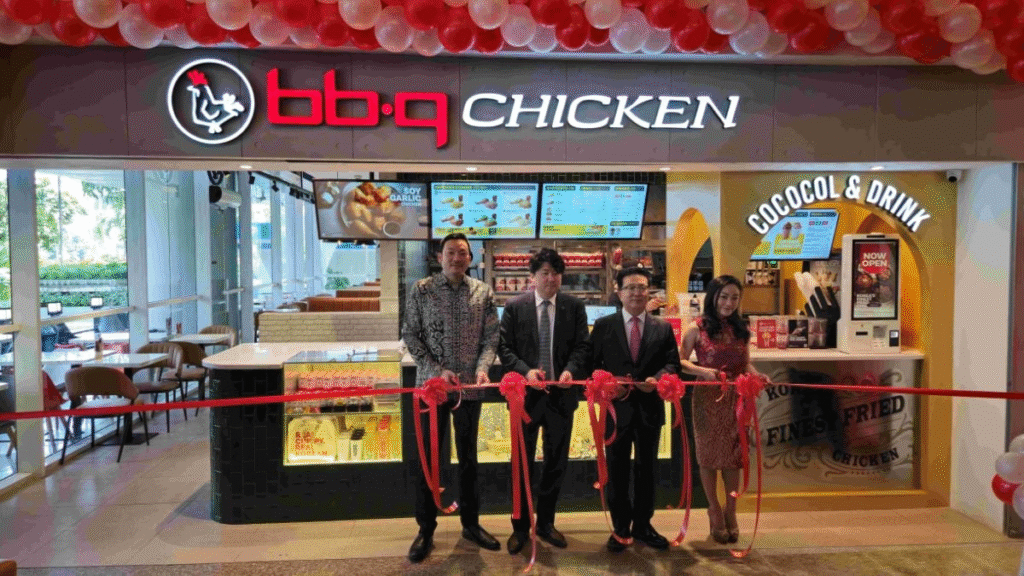
Genesis BBQ, one of South Korea’s largest restaurant groups, has partnered with Good Tree South Africa to introduce the franchise nationwide. The agreement grants Good Tree the rights to operate the brand and roll out locations across key cities. The partnership was formalised in Seoul, reflecting the parent company’s prioritisation of South Africa as a launchpad for broader African expansion.
This is not a small test run. It is a calculated market entry backed by a company that operates thousands of outlets worldwide. Their approach combines local market understanding with global franchise experience — an advantage that positions them strongly against established competitors.
Why South Africa Is a Prime Market
South Africa’s fast-food industry is built around chicken. Research consistently shows that local consumers prefer chicken over nearly all other proteins. With more than 63 million people and a median age of only 28, the market skews young, digitally engaged, and open to new food experiences.
On average, South Africans consume far more chicken per year than the global average — an important metric for any brand entering the space. Chicken dominates fast-food spending, beating out burgers and pizza. KFC remains the market leader, while Chicken Licken, Debonairs, McDonald’s, and other chains hold strong positions. BBQ Chicken enters this landscape with a differentiated product and global reputation.
What Makes the Brand Different
The franchise is known for its “Best of the Best Quality” philosophy. Its signature product — chicken fried in olive oil — has been its primary differentiator for decades. The brand positions this as a healthier, cleaner alternative to conventional frying methods.
This approach helped BBQ Chicken build a loyal global following. Its rapid early growth in Korea resulted in more than 1,000 stores by the late 1990s and the creation of “Chicken University,” a specialised training centre focused on maintaining consistency and quality. The company’s expansion into the United States, Spain, Japan, and other countries shows its ability to adapt to diverse markets.
Bringing those same standards to the South African market could elevate consumer expectations for both quality and flavour variety.
A Competitive Advantage Rooted in Korean Food Culture
K-food trends continue to grow worldwide. South Africa is no exception, with consumers increasingly drawn to Korean flavours, cooking techniques, and pop-culture influence. BBQ Chicken’s menu reflects those influences through sweet-spicy sauces, crisp textures, and bold seasonings.
The parent company believes local consumers will respond strongly to a product that blends familiar chicken formats with Korean taste profiles. Good Tree South Africa has also confirmed that some menu items will be tailored specifically for the local palate.
Expansion Plans Across Major Cities
The rollout begins with flagship locations in Johannesburg, Cape Town, and Bloemfontein. These cities offer strong purchasing power, diverse demographics, and established delivery infrastructure. Once these stores gain traction, secondary cities and high-traffic suburban areas are expected to follow.
Fast-food expansion in South Africa relies heavily on delivery apps, foot-traffic positioning, and late-night convenience — all areas where global franchises generally excel. If execution is consistent, BBQ Chicken could scale quickly.
The Scale Behind the Franchise
More than 2,400 restaurants operate under the brand in South Korea alone. Globally, BBQ Chicken has over 700 outlets across 57 countries, with a major presence in the United States and Canada. This scale provides operational experience, supply-chain resilience, and brand recognition that most new entrants cannot match.
The company has also received international recognition. One notable achievement includes being honoured in Spain for promoting the use of Spanish olive oil, highlighting its commitment to quality ingredients.
What It Means for the Local Fast-Food Sector
BBQ Chicken’s entry increases competition in a highly active segment. The top chains in South Africa have long relied on strong branding, affordability, and localised flavours. A new global competitor forces innovation. Expect new flavours, competitive pricing, and menu updates across the industry as brands respond to changing consumer expectations.
This move may also create opportunities for local suppliers, franchise operators, and service providers as the chain scales operations.
Consumer Expectations and Market Outlook
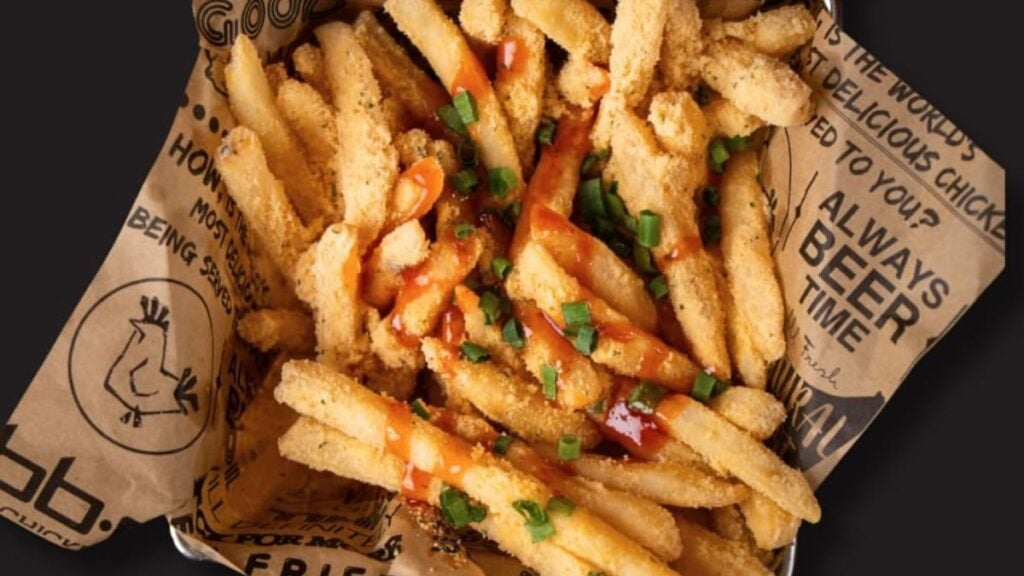
A strong launch will depend on consistency, pricing, and accessibility. South African consumers appreciate value, portion size, and convenience. If BBQ Chicken meets those expectations while introducing new flavours, it could carve a significant share of the market.
The brand’s reputation for crisp texture, rich sauces, and olive-oil frying will help it stand out. Early adopters — especially younger consumers — will likely drive initial buzz.
BBQ Chicken in South Africa represents more than a new franchise opening. It marks the beginning of a larger wave of K-food influence across the country and possibly the continent. With global experience, a strong product, and a tailored local strategy, the brand has the potential to become a major player in the fast-food chicken category. As expansion continues and more stores open, BBQ Chicken in South Africa is positioned to reshape competition and offer consumers fresh new flavours in an already strong chicken-focused market.