Skip to content
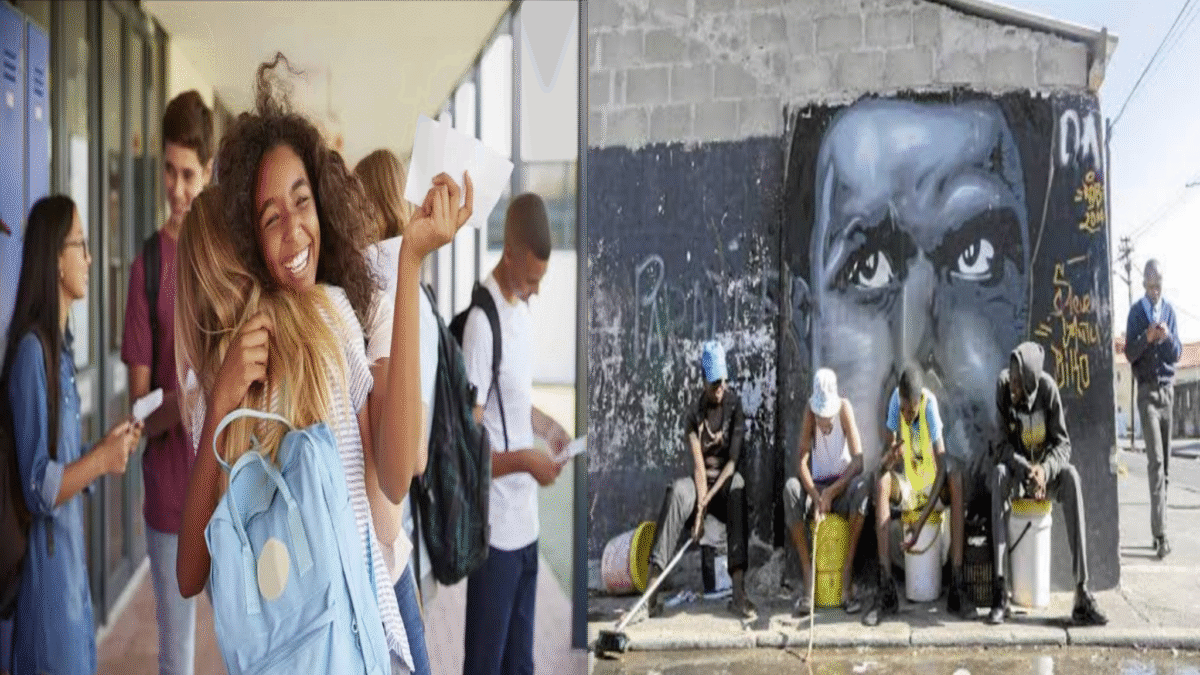
Life after matric challenges are a reality many young South Africans face head-on. Finishing school is supposed to be a springboard into adulthood—full of opportunity and fresh beginnings.

But for thousands of matriculants, it’s a cliff edge into uncertainty. Some secure spots at universities or technical colleges. Others are left navigating unemployment, financial strain, and social pressure with little preparation.
Life after matric challenges
The transition from the structured environment of school to the unpredictable nature of adulthood is often underestimated. Many school leavers encounter barriers that make this shift far harder than expected. These include the inability to afford tertiary education, a lack of career guidance, scarce job opportunities, and the emotional toll of feeling left behind.
Financial constraints
Without financial support, further education becomes an immediate obstacle. Even with bursaries or loans, the application process can be complex and overwhelming. Those who can’t secure funding face the difficult choice of taking low-paying jobs or staying unemployed while seeking alternatives.
Limited job market access
Entry-level positions are scarce, and many require work experience—creating a catch-22 for school leavers. This reality pushes some into informal work or short-term gigs, which rarely offer stability or skill growth.
Mental health strain
The uncertainty of life after matric can weigh heavily on young adults. Anxiety, depression, and feelings of hopelessness often emerge when expectations don’t align with reality. Without strong support systems, these challenges can spiral, affecting decision-making and motivation.
Lack of career guidance
Many students leave school without a clear sense of direction. Career counselling, if available, may not be comprehensive or aligned with current job market trends. This lack of planning can lead to costly detours—enrolling in unsuitable courses or abandoning studies entirely.
Regional inequality
Opportunities differ sharply by location. Urban matriculants often have better access to universities, internships, and mentorship programmes, while rural graduates may need to relocate—adding financial and emotional strain.
Strategies for overcoming challenges
- Seek mentorship: Guidance from professionals can open doors and offer perspective.
- Consider alternative training: TVET colleges, online courses, and learnerships can be cost-effective and practical.
- Leverage community resources: NGOs and local initiatives sometimes offer free skills training or job placement support.
- Volunteer or intern: Even unpaid experience can build a track record and network for future roles.
Which SA Coins Are Worth Money: Full Guide
The bigger picture
Tackling life after matric challenges requires coordinated efforts—from government investment in youth programmes to community-level mentorship networks. Solutions must go beyond academic access to include mental health support, financial literacy, and pathways into sustainable work.
Life after matric challenges remain a defining stage for many South Africans. By recognising the barriers and actively seeking solutions, school leavers can better navigate this critical transition. Preparation, resilience, and resourcefulness can turn a daunting start into a strong foundation for the future.
Get the latest entrepreneurial success stories, expert tips, and exclusive updates delivered straight to your inbox — Sign up for Entrepreneur Hub SA’s newsletter today!