Skip to content

Latest scams in South Africa are becoming more advanced, more frequent, and more personal. In 2025, fraudsters are exploiting digital tools, psychological tricks, and even traditional beliefs to deceive people across all income groups.
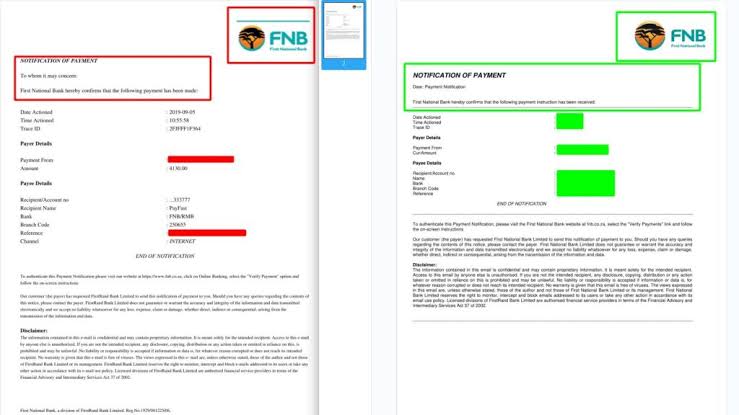
The sheer variety of scam types circulating today shows how critical it is to stay alert and informed.
Advance Fee Scams: Still thriving
Advance fee scams haven’t gone anywhere. Victims are asked to pay upfront for loans, inheritances, or prizes. These scams often start with official-looking emails or WhatsApp messages. Once the upfront fee is paid, the fraudster disappears. If anyone asks for a “processing fee” or “tax” before releasing funds, it’s a red flag.
Fake investment opportunities
You get a call, message, or social media invite offering high returns on a “sure thing.” The scammer shows fake charts, investment portfolios, or even past ‘client testimonials.’ Once you send money, they’ll either ask for more to “unlock” returns—or disappear altogether.
Common red flags:
- Guaranteed high returns
- Urgency to invest immediately
- Lack of FSP registration (Financial Service Provider)
SIM swap and number porting fraud
One of the fastest-growing fraud methods involves criminals impersonating you and initiating a SIM swap with your mobile provider. Once done, they intercept all OTPs, giving them control over your banking, email, and social media.
To prevent this:
- Set strong security questions with your provider
- Use banking apps with biometric authentication
- Regularly check if your SIM is active
Online shopping scams
Scammers create fake websites or mimic known brands, offering deep discounts to lure you in. After making a purchase, you either receive nothing, a completely different item, or your card gets used elsewhere.
Check before buying:
- Is the site using HTTPS?
- Are contact details legit?
- Is the pricing too good to be true?
Phishing and malware attacks
Phishing is more sophisticated now. Scammers send emails or SMS messages that appear to be from banks, SARS, or even SASSA. Clicking the link downloads malware or leads to a fake login page.
Always:
- Type in URLs manually
- Avoid clicking links in unsolicited emails
- Use security software on your devices
Romance and relationship scams
Romance scammers prey on emotional vulnerability. After building online intimacy, they ask for money—usually for medical emergencies, travel costs, or family problems. These scams have skyrocketed, especially on dating apps.
Protect yourself:
- Never send money to someone you haven’t met in person
- Be suspicious of requests involving urgency and secrecy
- Reverse image search their profile photos
Remote access fraud
You get a call claiming to be from your bank, ISP, or antivirus provider. They ask to remotely connect to your device to “remove a virus” or “verify a transaction.” Once connected, they install spyware and drain your accounts.
Refuse any unsolicited remote access request. No real company does this without you initiating the contact.
Push payment fraud
These scams involve real-time payment requests under false pretenses. Someone impersonates a lawyer, government official, or supplier and convinces you to make an EFT urgently. Once paid, the money vanishes instantly.
Mitigation steps:
- Always verify payment instructions by calling the source directly
- Avoid last-minute bank detail changes
- Enable confirmation-of-payee features where possible
Porting and SIM swop traps
In some cases, your number is ported without your knowledge. You lose signal. Meanwhile, the fraudster logs into your banking apps, social media, or email. OTPs go to their phone, not yours.
To combat this:
- Use port-blocking services from your mobile provider
- Get alerts for SIM activity
- Never give personal info to unknown callers
The rise of social engineering
Scammers are studying victim behavior and tailoring scams. They know what platform you use, what financial apps you rely on, and who your network includes. Their messages sound convincing because they’ve done their homework.
Always ask: “Is this request expected?”
If not, slow down and verify before reacting.
Vishing—voice phishing calls
You receive a call that sounds like it’s from a legitimate institution. The caller asks you to confirm ID numbers, PINs, or login credentials. They often spoof caller IDs to show familiar numbers.
Avoid giving any sensitive info over the phone unless you initiated the call.
Fake business directories and “SEO” scams
You’re offered a premium listing or SEO boost in exchange for an upfront payment. These scams target small businesses and freelancers who are eager for more online exposure.
Tips to avoid:
- Check if the directory is legitimate and visible on Google
- Ask for proof of performance from other clients
- Never pay unless you see a working product
Ancestry and traditional belief scams
These highly targeted scams exploit cultural beliefs. Victims are told that an ancestor or spirit has sent a message through a sangoma. They’re then manipulated into financial sacrifices or “cleansing” rituals that involve paying large sums.
Such scams often involve drugging and emotional control. Avoid anyone claiming spiritual authority over your finances.
Commodity scams
Criminals pose as mining executives selling rare gems or minerals. The stones are fake. Certificates are forged. And by the time the victim catches on, the “executive” has disappeared.
Avoid:
- Any gem deal without verified credentials
- Buying stones from unlicensed dealers
- Accepting “proof” that isn’t verifiable independently
The psychology of scams
Most scams work because they create urgency, fear, or excitement. Scammers aren’t just con artists—they’re trained manipulators. They rehearse their scripts and prey on emotional response.
Recognizing manipulation techniques is half the battle:
- Pressure to act fast
- Fear of missing out
- Too good to be true offers
- Playing on trust or loneliness
What to do if you’ve been scammed
- Contact your bank immediately and freeze your accounts
- Report the scam to SAFPS or relevant platforms
- Update passwords on all linked platforms
- File a police report
- Tell others so they don’t fall for the same trap
South African Ministers Salaries for 2025
Final thoughts
Latest scams in South Africa are evolving at a frightening pace, driven by tech and human vulnerability. From phishing links to fake investment schemes, fraudsters are targeting everyone—from pensioners to professionals. Staying ahead means staying informed, skeptical, and always verifying before taking action.
In 2025, the only real defense is awareness. Stay alert, stay updated, and don’t fall victim to the latest scams in South Africa.
Get the latest entrepreneurial success stories, expert tips, and exclusive updates delivered straight to your inbox — Sign up for Entrepreneur Hub SA’s newsletter today!