Skip to content
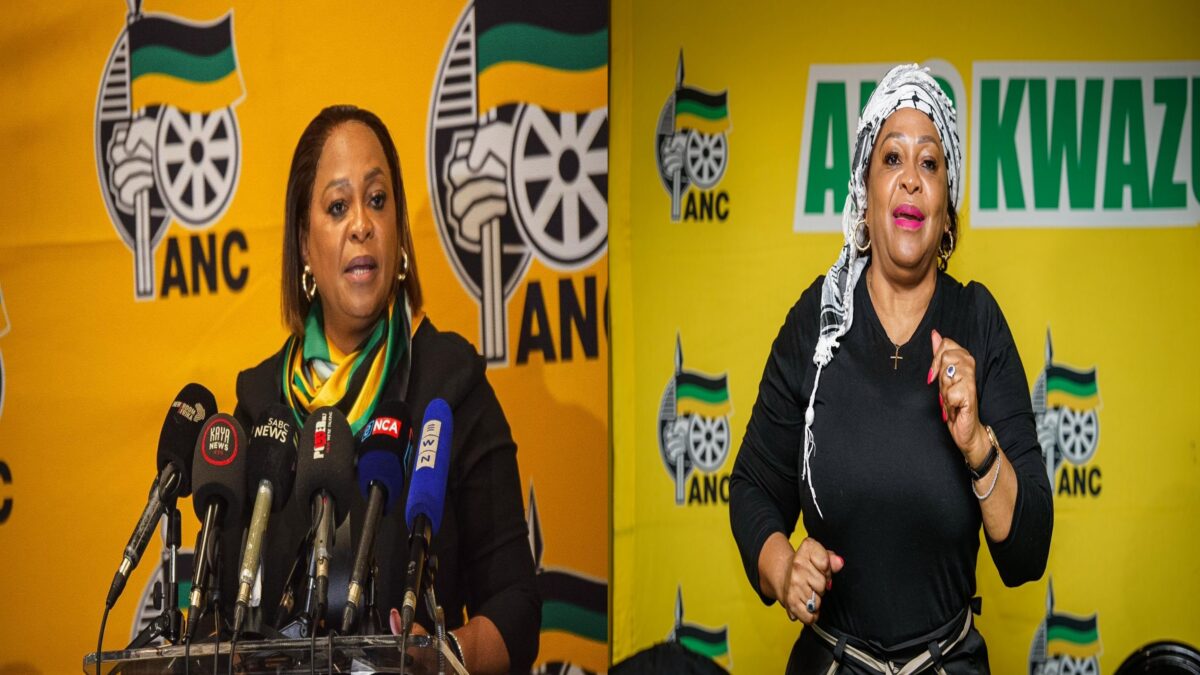
Nomvula Mokonyane’s salary sparks curiosity among South Africans, especially given her long-standing career in politics. In 2022, the average South African cabinet minister earned roughly R2.4 million annually, a figure that puts public sector pay under scrutiny. As the First Deputy Secretary-General of the African National Congress (ANC), Mokonyane’s earnings are less transparent, with estimates ranging from R50,000 to R100,000 monthly.
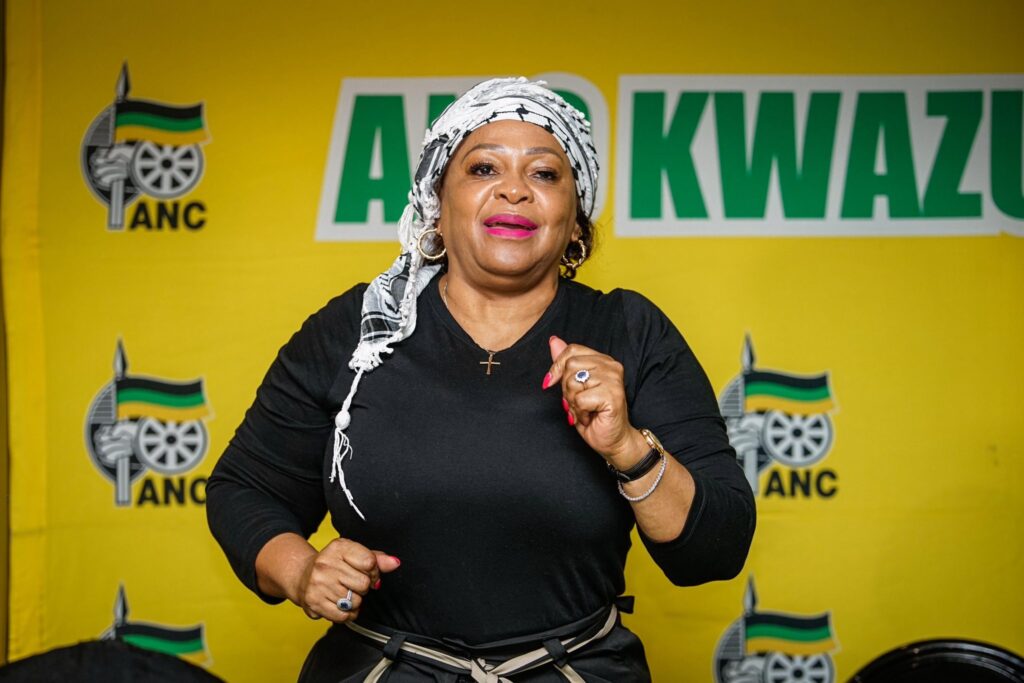
Her journey from anti-apartheid activist to a key ANC figure offers context for understanding her financial standing. This article dives into her salary, career, and the broader landscape of political compensation in South Africa, offering actionable insights for professionals curious about public sector pay.
Early Life and Anti-Apartheid Activism
Born on June 28, 1963, in Kagiso, a township in Gauteng, Nomvula Paula Mokonyane grew up as the youngest of twelve siblings. Her early life was shaped by the harsh realities of apartheid. At fifteen, she joined the Young Christian Students, a group advocating for social justice. By 1979, she helped found the Congress of South African Students, a pivotal organization in the anti-apartheid movement. Her activism intensified in the 1980s. She served as publicity secretary for the Krugersdorp branch of the United Democratic Front and organized for the Federation of Transvaal Women, supporting families of detained activists.
Her commitment came at a cost. In 1985, during a state of emergency, Mokonyane was arrested while pregnant. She gave birth in detention, a testament to her resilience. This experience, shared at the Truth and Reconciliation Commission in 1997, cemented her reputation as a fearless activist. Her early struggles laid the foundation for a political career rooted in community advocacy, a theme that persists in her current role.
Education and Professional Development
Mokonyane’s education reflects her drive for growth. She matriculated at Masupatsela High School in Kagiso. Later, she pursued international training in Sweden, earning certificates in Local Government, Planning Management, and Community Development. Her academic journey continued at prestigious institutions. She completed a Certificate in Emerging Economics at Wharton Business School and a Certificate in Economics and Finance at Harvard Business School. Additionally, she holds a leadership and governance certificate, equipping her for high-level political roles.
Political Career: From Gauteng to National Stage
Mokonyane’s political ascent began in 1994 with her election to the Gauteng Provincial Legislature. By 1996, she was a Member of the Executive Council (MEC) for Agriculture, Conservation, and Environment, championing initiatives like the Sterkfontein World Heritage Site designation. She later served as MEC for Safety and Liaison (1999–2004) and Housing (2004–2009), succeeding Paul Mashatile in both roles. Her tenure as Housing MEC addressed critical urban development challenges, though critics noted persistent housing shortages.
In 2009, Mokonyane made history as Gauteng’s first female Premier, serving until 2014. Her leadership focused on infrastructure and economic development, though controversies, like a VIP driver incident, drew scrutiny. After her premiership, she joined President Jacob Zuma’s cabinet as Minister of Water and Sanitation (2014–2018). Her tenure faced criticism over mismanagement, with a parliamentary report highlighting R13 billion in unaccounted funds. She later served as Minister of Communications (2018) and Environmental Affairs (2018–2019) under President Cyril Ramaphosa.
Since 2022, Mokonyane has been the ANC’s First Deputy Secretary-General, elected at the 55th National Conference. Her role involves organizing party structures and mobilizing voters, a critical task as the ANC faces declining support. Her nickname, “Mama Action,” reflects her energetic presence at rallies and community events.
Understanding Nomvula Mokonyane’s Salary
Nomvula Mokonyane’s salary as Deputy Secretary-General is a focal point for many. Unlike cabinet ministers, whose salaries are publicly disclosed, ANC executive salaries are less transparent. Estimates suggest she earns between R50,000 and R100,000 monthly, though these figures are contested. For context, South African cabinet ministers earned approximately R2.4 million annually in 2022, or R200,000 monthly. As a senior ANC official, Mokonyane’s pay likely aligns with top public sector roles, but exact figures remain elusive.
Public sector salaries in South Africa are set by the Independent Commission for the Remuneration of Public Office Bearers. Ministers and deputy ministers receive fixed salaries, with adjustments for inflation. ANC executives, however, are funded through party resources, including membership fees, donations, and levies from deployees. This opacity fuels speculation about Mokonyane’s earnings. Some sources suggest her income is supplemented by public appearances and political influence, though no concrete evidence supports this.
Controversies add complexity. The State Capture Commission, led by Chief Justice Raymond Zondo, alleged Mokonyane received R50,000 monthly from Bosasa, a company implicated in corruption. These payments, along with gifts like a R3 million Aston Martin and a lavish 40th birthday party, raised questions about her financial transparency. Mokonyane denied these allegations, claiming the car was funded through a business arrangement with a family friend. The Zondo Commission recommended prosecution, but no charges have been filed as of 2025.
Net Worth and Income Sources
Mokonyane’s estimated net worth, pegged at R91,488,750 by some sources, is highly contested. Other estimates range from $1.5 million to $5 million. Her wealth likely stems from decades in high-ranking political roles, public appearances, and potential investments. As a cabinet minister, she earned roughly R2.4 million annually, a significant sum over five years. Her premiership and MEC roles also commanded substantial salaries, though exact figures vary by year.
Her husband, Serge Mokonyane, a trade unionist and businessman, may have contributed to family wealth before his death in 2019. The couple owned properties, including a home where Bosasa allegedly funded security upgrades. Mokonyane’s involvement in a R2.7 million PPE contract, where she paid R1.6 million from her personal account for a relative’s company, suggests access to significant funds. She claimed these were from inheritance money, but the Special Investigating Unit flagged irregularities.
Controversies and Public Perception
Mokonyane’s career is marred by allegations of corruption. The Zondo Commission’s findings, including Bosasa’s alleged bribes, cast a long shadow. Witnesses claimed Bosasa funded her 40th birthday party, security upgrades, and monthly payments. Mokonyane’s defense—that she was unaware of funding sources—drew skepticism. Social media reactions, particularly in 2020, criticized her credibility, with some calling her testimony evasive.
The PPE scandal further damaged her reputation. Mokonyane’s payment for Tuwo Rhodesia, a company linked to her daughter, raised conflict-of-interest concerns. The Special Investigating Unit recommended recovering over R1.1 million in overcharges, highlighting procurement flaws. Despite these issues, Mokonyane’s ANC support remains strong, with branches nominating her for Deputy Secretary-General in 2022.
South African Political Salaries in Context
Political salaries in South Africa are a lightning rod for debate. In 2022, President Cyril Ramaphosa earned R3.9 million annually, while MPs earned R1.2 million. Ministers, like Mokonyane during her cabinet tenure, earned R2.4 million. These figures dwarf the national median income of R84,000, fueling public discontent. Critics argue high salaries incentivize corruption, while defenders say they attract talent to demanding roles.
The ANC’s funding model adds complexity. Party executives like Mokonyane rely on donations and levies, which can create perceptions of favoritism. Transparency reforms, like mandatory asset disclosures, could address this. Professionals can advocate for change by supporting organizations like Corruption Watch, which monitors public sector accountability.
Pitso Mosimane’s House and Cars: Wealth Lessons
Mokonyane’s Legacy and Future
Nomvula Mokonyane’s salary, estimated at R50,000 to R100,000 monthly, reflects her senior ANC role but remains shrouded in mystery. Her career—from activist to Premier to Deputy Secretary-General—showcases resilience and adaptability. Yet, controversies like Bosasa and PPE scandals highlight the need for transparency. As South Africa grapples with political accountability, Mokonyane’s story is a case study in navigating power and scrutiny.
Get the latest entrepreneurial success stories, expert tips, and exclusive updates delivered straight to your inbox — Sign up for Entrepreneur Hub SA’s newsletter today!