Skip to content
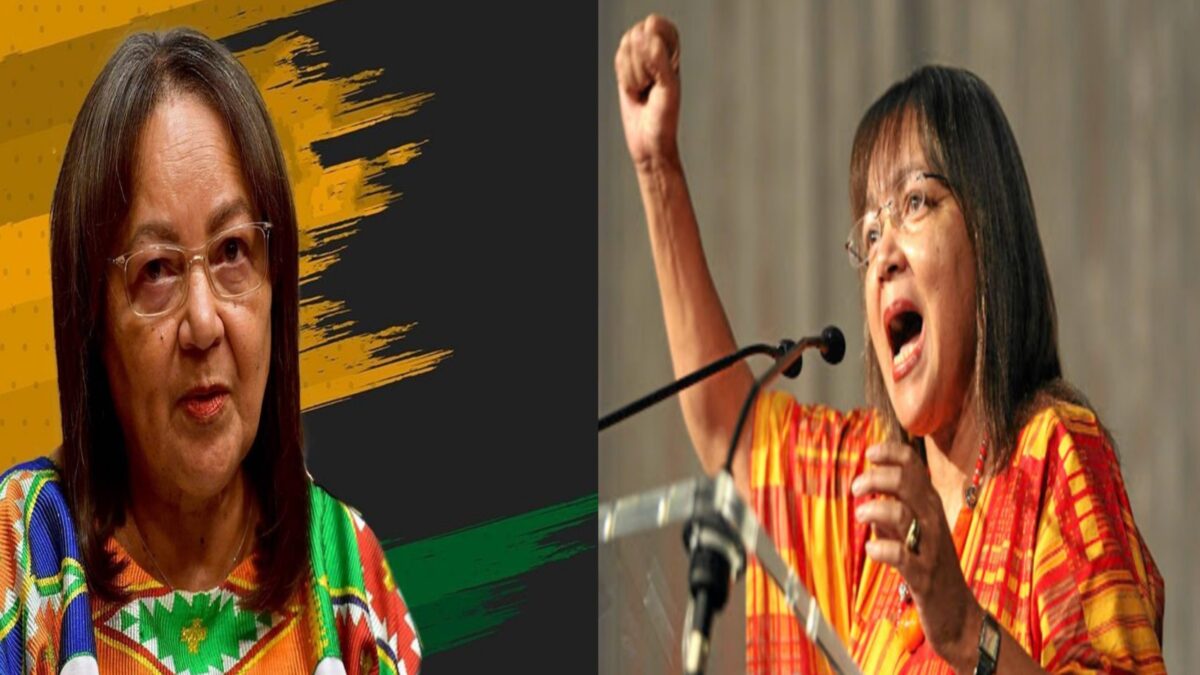
Patricia de Lille’s salary, clocking in at R2.7 million annually as South Africa’s Minister of Tourism, sparks heated debate. Why? The average South African earns just R26,791 a month, according to Stats SA. That’s a staggering gap. As the leader of the GOOD party and a seasoned politician, de Lille’s pay reflects her role in the Government of National Unity (GNU).

But does it justify the public’s frustration? This article dives into her salary, its context, and what readers can do about it. From comparisons to actionable steps, here’s the full picture.
Who Is Patricia de Lille?
Patricia de Lille has been a force in South African politics for decades. Born in Beaufort West, she cut her teeth as a trade unionist before entering parliament in 1994. She founded the Independent Democrats, later merging with the Democratic Alliance (DA), and now leads the GOOD party. Today, she serves as Minister of Tourism, a role she’s held since the GNU’s formation in 2024. Her career is marked by resilience. She’s tackled corruption allegations, switched parties, and remained a vocal advocate for accountability.
Her current role puts her at the heart of South Africa’s economic recovery. Tourism contributes 3.7% to GDP, per the World Travel and Tourism Council. De Lille’s leadership is critical, especially after disruptions like the 2024 OR Tambo Airport fuel glitch, which she publicly criticized. But her R2.7 million salary, as reported by BusinessTech, raises eyebrows. Is it fair for a minister steering a vital sector? Let’s unpack the numbers.
The Numbers Behind Her Salary
Patricia de Lille earns R2.7 million a year as Minister of Tourism. That’s roughly R225,000 a month. Compare that to the average South African’s R26,791 monthly wage, and the contrast is stark. According to BusinessTech, ministers like de Lille earn this amount due to their executive roles in the GNU. The salary is set by the Independent Commission for the Remuneration of Public Office Bearers, which reviews pay annually. In 2024, a 2.5% increase was approved for ministers, reflecting inflation adjustments.
But it’s not just the base salary. Ministers receive benefits like housing allowances, travel perks, and security details. These add up. Exact figures for de Lille’s benefits are undisclosed, but estimates suggest they could boost her total compensation by 20–30%. Public records show ministers’ salaries haven’t dropped since the GNU formed, despite economic pressures. This fuels debate. Why do politicians earn so much when unemployment hovers at 33.5%, per Stats SA?
Public Perception: A Growing Divide
South Africans are vocal about politician salaries. On X, posts often highlight the gap between leaders like de Lille and ordinary workers. One user noted, “Ministers earn millions while teachers can’t afford rent.” This sentiment isn’t new. A 2024 IOL article quoted de Lille addressing airport chaos, but public comments quickly shifted to her pay. “How can she earn R2.7 million and not fix tourism?” one reader asked.
The frustration is understandable. The BankservAfrica Take-home Pay Index pegs average take-home pay at R15,492 a month. De Lille’s salary is 15 times that. Yet, defenders argue ministers need competitive pay to attract talent. Without it, skilled leaders might flee to the private sector. Still, the public’s trust is eroding. A 2025 survey by the Human Sciences Research Council found 62% of South Africans believe politicians are overpaid. Transparency could bridge this gap, but salary details remain opaque.
Comparing Salaries: De Lille and Beyond
How does de Lille’s pay stack up? BusinessTech provides clarity. President Cyril Ramaphosa earns R4.2 million annually, the highest in parliament. DA leader John Steenhuisen, Minister of Agriculture, matches de Lille’s R2.7 million. So do ministers like Gayton McKenzie (Sports, Arts, and Culture) and Velenkosini Hlabisa (Cooperative Governance). Deputy ministers, like Bantu Holomisa, earn R2.2 million. Opposition leader John Hlophe (MK Party) takes home R1.8 million, while EFF’s Julius Malema earns R1.5 million as a minority party leader.
Outside politics, the picture shifts. A senior corporate executive in South Africa earns R1.5–R3 million annually, per Michael Page’s 2025 salary guide. De Lille’s pay aligns with this, but her role carries unique pressures—public scrutiny, long hours, and national responsibility. Still, the average teacher earns R360,000 a year, per the Department of Basic Education. That’s a tenth of de Lille’s salary. Such disparities fuel calls for reform.
100 Most Profitable Businesses in South Africa
Conclusion: Patricia de Lille’s salary
Patricia de Lille’s salary—R2.7 million a year—mirrors the broader tensions in South Africa’s political landscape. It’s a figure that comforts some and angers others. The gap between ministers and citizens won’t close overnight. But readers hold power. By demanding transparency, engaging in discourse, and supporting reform, they can push for fairness. De Lille’s role in tourism is vital, but so is public trust. Act now. The debate over Patricia de Lille’s salary is just the beginning.
Get the latest entrepreneurial success stories, expert tips, and exclusive updates delivered straight to your inbox — Sign up for Entrepreneur Hub SA’s newsletter today!