Skip to content

Build It franchise cost grabs attention for a reason: launching a hardware store under this trusted South African brand can transform entrepreneurial dreams into reality. Since 1985, Build It has grown from 30 rural stores in KwaZulu-Natal to over 370 owner-operated outlets across Southern Africa. That’s a network serving DIY enthusiasts, contractors, and homeowners with quality materials at competitive prices. For aspiring franchisees, understanding the financial commitment is the first step.
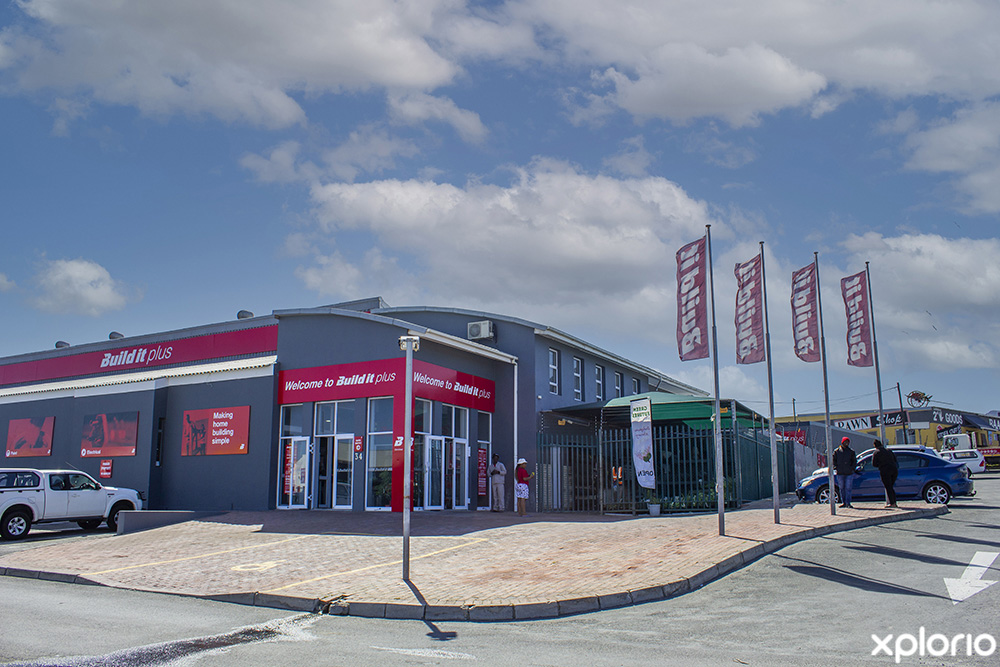
This guide breaks down costs, application processes, funding options, and market opportunities, equipping readers with tools to decide if Build It is their path to business ownership.
Why Build It Stands Out in Hardware Retail
Build It, a division of the SPAR Group Limited, thrives on a simple promise: making home-building straightforward. Each store is independently owned, blending local passion with a national brand’s strength. Stores stock everything from cement to paint, catering to urban and rural customers alike. The company’s focus on entrepreneurship, family, and community—think sponsoring under-13 soccer teams—sets it apart. Franchisees tap into a proven system, backed by six regional offices and a distribution center, ensuring supply chain reliability. But what does it take financially to join this network?
Build It Franchise Cost: Breaking Down the Numbers
The Build It franchise cost varies by store size and location, but clarity is key. No one wants surprises when investing millions. Here’s a detailed look at the expenses involved.
Initial Investment
Starting a Build It store requires a significant upfront commitment. While exact figures depend on factors like square footage and whether the store is in Johannesburg or a rural town, franchisees typically need to cover:
- Entrance and Launch Fee: This one-time payment grants access to the Build It brand and system. It’s refundable if the application fails, easing some risk. Expect this to range from R50,000 to R150,000, based on industry norms for retail franchises.
- Store Setup Costs: These include shopfitting, signage, shelving, and initial stock (e.g., cement, tools, plumbing supplies). A small rural store might demand R1.5 million, while a larger urban outlet could hit R5 million or more.
- Working Capital: Franchisees need cash reserves to cover rent, utilities, and wages for the first few months before profits kick in. Plan for at least R500,000 to R1 million, depending on scale.
Ongoing Costs
Running a Build It store involves continuous expenses to keep the business humming:
- Stock Replenishment: Hardware retail thrives on inventory. Weekly or monthly purchases through Build It’s distribution center (with 48-day payment terms) ensure shelves stay stocked. Budget R200,000–R500,000 monthly for a medium-sized store.
- Royalties and Fees: Build It doesn’t charge a traditional franchise fee, but franchisees contribute to marketing and operational support. These costs, often a percentage of sales, might range from 2–5%, aligning with hardware retail standards.
- Staffing: A typical store employs 10–20 staff, including managers, cashiers, and stock clerks. Monthly wages vary by region—R100,000 in urban areas, less in rural settings.
Location Matters
Costs hinge on where the store operates. Urban stores face higher rent (R50,000–R100,000 monthly) and competition, while rural outlets benefit from lower overheads but may see slower sales. Franchisees must weigh these trade-offs early.
Navigating the 6-Step Application Process
Securing a Build It franchise involves a structured process designed to ensure candidates are ready for ownership. Here’s how it works:
- Register Online: Candidates create a profile on Build It’s franchise portal, providing basic personal and financial details.
- Quick Application: A short form outlines business experience and motivations. No cost here—just time.
- Entrepreneurial Assessment: For R345 (VAT included), applicants complete an online test gauging business aptitude. It’s a small price to confirm readiness!
- Full Application: Candidates submit detailed financial records, business plans, and supporting documents. Transparency is critical.
- Credit Check and Review: At R1,725 (VAT included), Build It evaluates creditworthiness and application strength. This step weeds out unprepared candidates.
- Franchisor Meeting: Approved applicants meet Build It representatives to discuss opportunities and next steps.
The process isn’t just paperwork. It tests resilience, a trait every franchisee needs. Successful candidates receive a Disclosure Document, mandated by the Consumer Protection Act, detailing costs and obligations.
Funding Your Build It Franchise
Covering the Build It franchise cost often requires external financing. The SPAR Group doesn’t provide loans directly but connects approved applicants with funders. Here’s how to approach it:
- Personal Contribution: Banks typically require 40–50% unencumbered cash (e.g., R1–2 million for a R4 million investment). Savings or asset sales can cover this.
- Bank Loans: Commercial banks like Nedbank or Absa offer franchise financing, assessing the applicant’s credit history and business plan. Interest rates in 2025 hover around 10–12%.
- Development Funding: Institutions like the National Empowerment Fund support emerging entrepreneurs, especially in rural areas Build It targets.
- Business Plan Strength: Funders prioritize projected sales, location viability, and repayment ability. A store in a high-traffic area boosts approval odds.
Tip: Contact Build It’s regional office early to discuss funding partners. They’ll guide applicants toward institutions familiar with the brand.
Market Trends Driving Build It’s Success
South Africa’s hardware retail sector is robust, fueled by housing demand and infrastructure growth. Build It’s focus on lower- to middle-income markets—DIY builders, small contractors, and township developers—aligns with these trends:
- Urbanization: Cities like Durban and Pretoria see rising demand for affordable building materials.
- Rural Expansion: Build It’s rural stores tap underserved areas, where competition is low.
- Sustainability: Customers increasingly seek eco-friendly products, like water tanks or energy-efficient fittings, which Build It stocks.
- Construction Costs: Building a home in South Africa starts at R6,500 per square meter in 2025, pushing demand for cost-effective suppliers like Build It.
Competitive Advantages of Build It
Why choose Build It over other hardware franchises? The brand’s strengths shine through:
- SPAR Group Backing: Access to a distribution network and buying power keeps costs down.
- House Brands: Exclusive products like Build It cement or paint offer quality at lower prices, boosting margins.
- Community Focus: Franchisees build local loyalty by sponsoring events or hiring locally.
- Shared Knowledge: Regional meetings and annual conventions let owners swap ideas, from promotions to stock management.
These perks make Build It a standout, but franchisees must still navigate competition from chains like Cashbuild or independent stores.
Practical Tips for Aspiring Franchisees
Starting a Build It franchise demands preparation. Here are actionable steps to succeed:
- Budget Wisely: Create a spreadsheet detailing entrance fees, setup costs, and six months of operating expenses. Overestimate slightly for safety.
- Choose the Right Location: Scout areas with high foot traffic or housing growth. A store near a new township could be a goldmine.
- Hire Smart: Recruit staff with retail or hardware experience. Train them using Build It’s two-week Management Induction Program, covering operations, marketing, and customer service.
- Market Locally: Host DIY workshops or sponsor community projects to draw customers. A R5,000 soccer kit donation can spark word-of-mouth buzz.
- Plan for Profit: Aim to break even within 12–18 months. Monitor sales daily and adjust stock to match demand (e.g., more roofing in rainy seasons).
Challenges to Anticipate
No franchise is a guaranteed win. Build It franchisees face hurdles like:
- Economic Fluctuations: Inflation, at 5–6% in 2025, raises material costs, squeezing margins.
- Competition: Big players and local shops vie for the same customers. Differentiation through service is key.
- Staff Management: High turnover in retail demands constant training. Invest in employee retention early.
- Initial Cash Flow: Sales may lag during the first six months. A cash buffer prevents panic.
Preparation mitigates these risks. Franchisees who study their market and lean on Build It’s support thrive.
Coffee Shop Franchises in South Africa: A Lucrative Venture
Is Build It Right for You?
Build It franchise cost reflects more than money—it’s a commitment to building homes and communities. The investment, potentially R2–6 million upfront plus ongoing expenses, suits entrepreneurs with retail passion and financial discipline. For those ready to navigate the application process, secure funding, and serve DIYers and contractors, Build It offers a stable platform. Contact the nearest Build It office or register online to explore specific costs for your area. The journey starts with one step!
Get the latest entrepreneurial success stories, expert tips, and exclusive updates delivered straight to your inbox — Sign up for Entrepreneur Hub SA’s newsletter today!