Skip to content
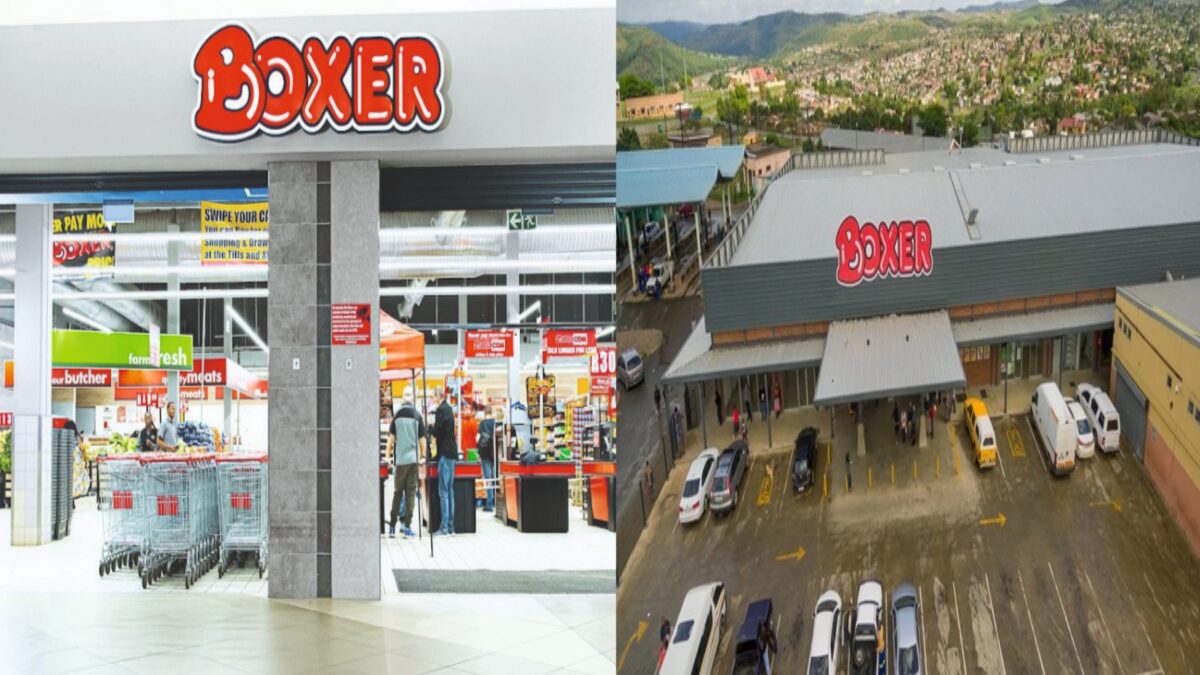
Boxer Superstores franchise isn’t a thing. Surprising, right? With 500 stores and a 17% slice of South Africa’s discount retail market, Boxer powers ahead without franchising a single outlet. All 308 Superstores, 162 Liquor Stores, and 30 Build Stores are company-owned. This setup fuels their growth, keeps prices low, and opens doors for investors. What’s behind this model? Why skip franchising when competitors like Spar lean into it?

This article unpacks Boxer’s strategy, their plan to add 500 stores by 2032, and how businesses and investors can tap into their momentum. Expect clear steps to act—whether you’re eyeing investment or sharpening your retail game.
Why Boxer Superstores Franchise Isn’t an Option
Boxer thrives on control. Every store runs like clockwork. Prices match across regions. Stock aligns with local demand. Staff greet customers the same way, whether in Soweto or Durban. Franchising could break that. One sloppy franchisee might overcharge or let shelves go bare, tarnishing the brand. Boxer says no thanks.
Owning stores outright brings other wins. No franchise fees to chase. No legal disputes over territory. They pour money into operations—warehouses, trucks, training. Pick n Pay, their parent company, saw Boxer’s profits climb 14% in 2024, even as other brands struggled. That’s the power of a tight ship. Retailers can borrow this lesson: consistency beats shortcuts.
Boxer also dodges the franchise startup grind. Franchisees need hand-holding—training, funding, audits. That’s time and cash Boxer spends on growth instead. Their stores hit the ground running, built on proven systems. The result? Customers trust what they get, every time.
Here’s a move for retailers: visit a Boxer store. Watch how they operate. Notice the clean aisles, quick checkouts, and uniform pricing. Compare it to a franchised chain like Spar, where stores vary. What’s sharper? Tweak your business to match that precision.
The Expansion Blueprint
Boxer’s growth plan is ambitious. They want 500 new stores by 2032, chasing a R105 billion market. Picture it: 1,000 stores total, blanketing South Africa. They’re not just adding dots on a map. Each location is picked with care—rural towns, low-income suburbs, areas where Shoprite and Spar hold sway. Boxer’s bet? Affordable goods win every time.
Their site selection is surgical. Teams study foot traffic, household incomes, and competitor gaps. A store in a Limpopo village might serve 5,000 people who’d otherwise travel an hour for groceries. In 2024, Boxer opened 40 stores, hitting 500 total. This year, they’re eyeing 50 more, with Gauteng and KwaZulu-Natal as hot spots.
Speed matters too. Once a site’s chosen, Boxer moves fast. Permits, construction, hiring—months, not years. They lean on modular designs: Superstores for groceries, Liquor Stores for drinks, Build Stores for hardware. Each format slots into the community’s needs without overcomplicating.
Retailers can mimic this. Don’t guess where to expand. Pull data—census stats, traffic counts, anything public. Pinpoint gaps. Then act swiftly. Waiting invites competitors.
Investors should track this. New stores mean revenue. Check Pick n Pay’s reports for store counts and regional splits. If Boxer’s hitting a province hard, that’s a signal. Growth isn’t random—it’s a clue to future profits.
Here’s a step: grab a map. Plot Boxer’s stores using their website or Google. Overlay it with Stats SA income data. See where they’re headed. If you’re a retailer, scout similar spots for your next move.
Investment Pathways
No Boxer Superstores franchise? Fine. Money still flows. Pick n Pay owns Boxer, and they’re listed on the JSE. Shares are the easiest entry. Boxer drove 40% of Pick n Pay’s revenue in 2024, despite the parent’s ups and downs. The stock’s no rocket—markets bounce—but Boxer’s steady climb could lift it long-term.
Another angle: partnerships. Boxer needs land, warehouses, suppliers. Got a property in a bustling township? Pitch it. They lease or buy to keep costs low. Suppliers can get in too—think maize meal, snacks, or cleaning goods. But come armed with numbers. Show how your deal cuts their costs or boosts sales.
Smaller players might eye Pick n Pay’s bonds. Riskier, yes, but they’re a way to back Boxer indirectly. Whatever the path, do homework. Boxer’s team doesn’t mess around. Proposals need meat—data, trends, projections.
Here’s how to start: visit Pick n Pay’s investor site. Pull their latest results. See how much Boxer contributes. Then talk to a broker about JSE shares or bonds. For partnerships, draft a one-pager. Highlight your edge—say, a prime lot with 10,000 daily passersby. Send it to Boxer’s property team.
Comparing Models: Company-Owned vs. Franchising
Boxer’s model stands out. Spar franchises heavily—3,000 stores, many independently run. It’s fast expansion. Franchisees fund openings, and Spar cashes royalty checks. But flaws creep in. Prices differ store to store. Stock varies. One Spar might shine; another feels neglected. That’s the franchise gamble: speed for control.
Boxer’s path is different. Every store syncs with headquarters. Data flows in—say, a juice brand spiking in Pretoria. They adjust stock nationwide in days. Franchises struggle to match that. Shoprite, mostly company-owned, posted 2024 margins 2% above Spar’s. Tight systems pay off.
Retailers face a choice. Franchising spreads costs but invites chaos. Company-owned demands capital but keeps you in charge. Boxer picks the latter to protect their discount edge—low prices, high volume. Others might need franchising’s speed, but they’ll pay in oversight.
Boxer’s Market Edge
South Africa’s retail ring is packed. Shoprite, Spar, Checkers—they all swing. Boxer holds ground by staying simple. No chasing upscale shoppers like Checkers. No franchising headaches like Spar. Just cheap goods, clean stores, fast service.
Their supply chain hums. Warehouses feed stores daily, so milk doesn’t vanish mid-week. Smaller chains can’t match that—stockouts cost them 10-15% of sales. Boxer’s same-store growth hit 8% in 2024, outpacing peers. That’s not a fluke.
They also keep formats clear. Superstores for food, Liquor Stores for booze, Build Stores for tools. Each nails its job. Competitors like Woolworths, blending food and fashion, risk confusion. Boxer’s focus sharpens their edge.
Economic Resilience
South Africa tests retailers. Inflation’s at 5.6% in 2025. The rand dips. Unemployment sticks at 33%. Boxer doesn’t flinch. Their customers—budget shoppers—stick with them when times tighten. A cart of staples costs R500, half what premium stores charge.
They fund growth smartly too. Boxer leans on cash flow, not debt piles. Pick n Pay’s 2024 report showed Boxer’s capital spend up 20%, debt steady. That’s discipline. Competitors drowning in loans envy it.
Scaling Without Franchising
Boxer scales without franchises. Their 500 stores didn’t sprout overnight, but systems made it smooth. Hiring, stocking, pricing—all standardized. A new store taps the same network. Tech helps: sales data flags hot items, so restocks are precise.
Franchising might lighten the load, but it fragments. Boxer’s unity lets them pivot. When maize prices jumped in 2024, they locked bulk deals, keeping costs low. A franchisee might’ve hiked prices, losing customers.
Retailers can adopt this. Perfect one process—say, inventory. Test it small. If it saves cash, scale it.
Community Engagement
Boxer builds ties. They hire local—2,000 jobs in 2024, mostly entry-level. It’s smart. Locals know customers, boosting loyalty. A cashier might nudge a regular toward a deal, sealing trust.
They also back small suppliers. Township brands—snacks, maize meal—hit shelves. It’s not just feel-good; it’s profit. Customers love local, and Boxer gains exclusive stock.
Future Outlook
Boxer’s trajectory is clear. By 2032, 1,000 stores could redefine retail. They’ll hit rural gaps, urban edges, anywhere budgets rule. Investors can ride this via Pick n Pay or deals. Retailers can steal their focus: systems, scale, service.
Challenges loom—inflation, competition—but Boxer’s built for it. Their model doesn’t bend.
Coffee Shop Franchises in South Africa: A Lucrative Venture
Conclusion: Boxer Superstores Franchise
Boxer Superstores franchise isn’t real, but their impact is. With 500 stores today and 500 more coming, they’re rewriting retail’s rules. Investors, jump in—shares, land, or partnerships await. Retailers, study their game: control, clarity, execution. Don’t wait. Visit a store. Pull Pick n Pay’s numbers. Act now, or watch Boxer pull ahead.
Get the latest entrepreneurial success stories, expert tips, and exclusive updates delivered straight to your inbox — Sign up for Entrepreneur Hub SA’s newsletter today!