Skip to content
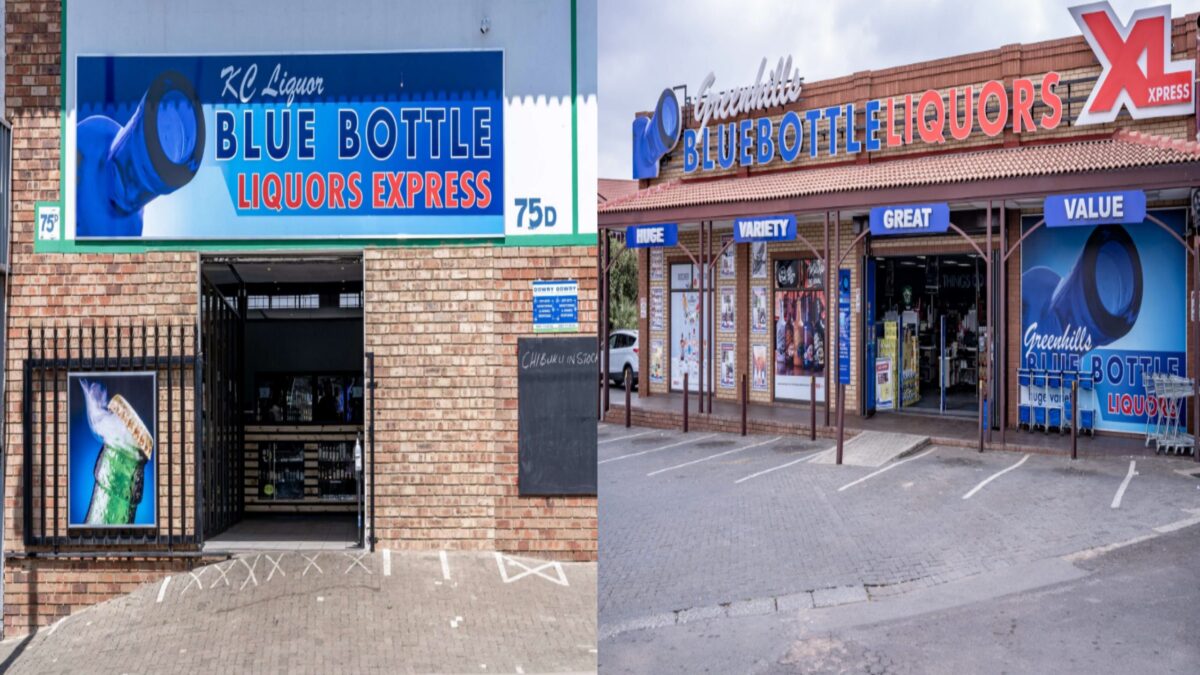
South Africa’s liquor market pours out opportunity—over 5,000 stores compete to serve a nation that consumes 9.5 liters of pure alcohol per person annually. For entrepreneurs eyeing this vibrant industry, Blue Bottle Liquors’ franchise cost often sparks curiosity. But here’s the twist: Blue Bottle Liquors isn’t a franchise. It’s a buying group designed to empower independent liquor stores with collective muscle.
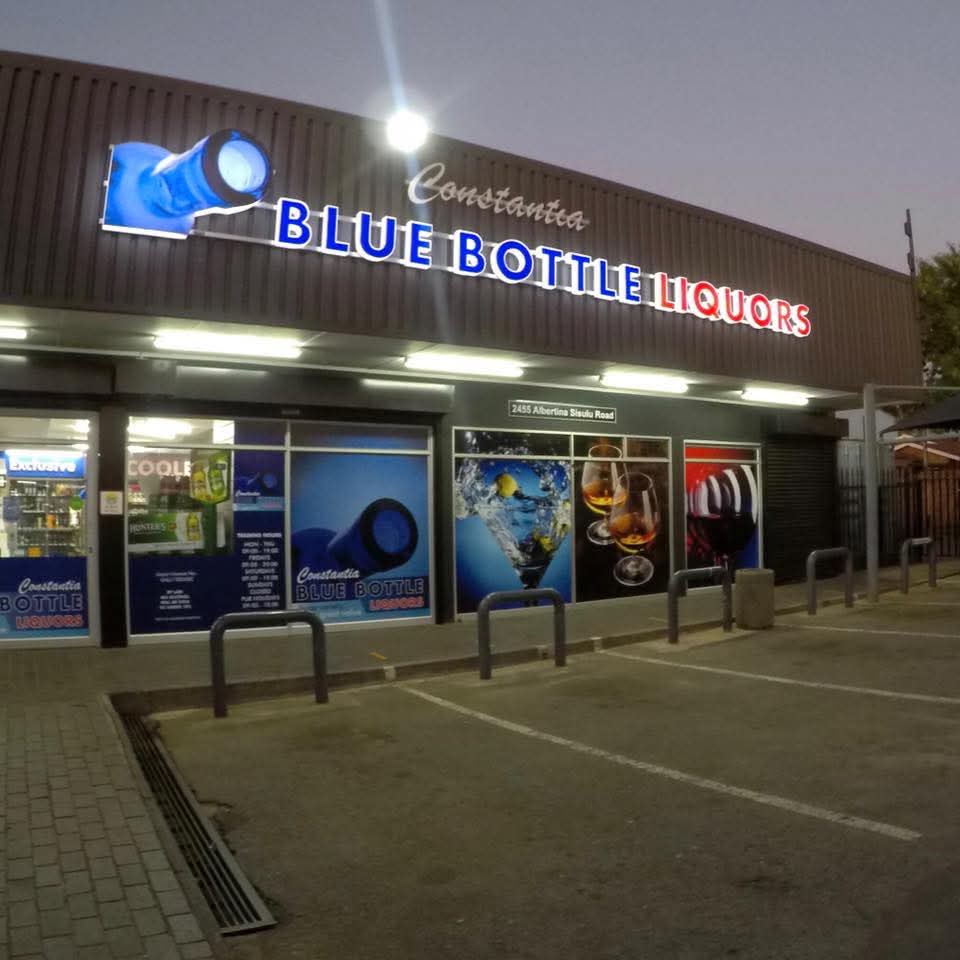
This article unpacks what joining Blue Bottle Liquors costs, how it stacks up against franchises, and why it might be the smarter play for store owners.
Understanding Blue Bottle Liquors’ Franchise Cost Misconception
Blue Bottle Liquors operates differently from franchise giants like Liquor City or Tops. It’s a cooperative model. Independent store owners join to leverage group benefits without surrendering control. No franchise fees. No rigid brand rules. Instead, members tap into negotiated pricing, marketing support, and direct supplier access. So, what’s the real cost of getting involved?
Costs of Joining Blue Bottle Liquors
Joining Blue Bottle Liquors is straightforward. There’s no upfront membership fee—a rarity in retail. Stores sign up to access the group’s perks, but the costs come from running and optimizing the business itself. Here’s a breakdown:
- Initial Setup (If Starting Fresh): For new stores, expenses include securing a liquor license (R15,000–R30,000), shop fitting (R50,000–R200,000 depending on size), and initial stock (R100,000–R500,000). Existing stores skip most of this.
- Ongoing Expenses: Members handle their rent, staff wages, and utilities. Blue Bottle Liquors doesn’t impose royalties, but stores invest in group-supported marketing campaigns (optional, typically R5,000–R20,000 annually).
- Technology and Tools: The group offers a point-of-sale system tailored for liquor retail. Expect R10,000–R30,000 for setup, with monthly maintenance around R1,000. eCommerce solutions are available, costing R5,000–R15,000 to integrate.
- Stock Purchases: Members buy directly from suppliers at negotiated rates. A small store might spend R50,000 monthly, while larger XL stores could hit R200,000.
These figures vary by store size and location. A Blue Bottle Liquors Express in a small town faces lower costs than a Platinum store in Cape Town’s Paarl Mall.
Comparing Blue Bottle Liquors to Franchises
Franchises like Liquor City demand hefty upfront investments—often R2 million for a new store, including franchise fees (R100,000–R200,000) and shop fitting. Overland Liquors starts at R1.1 million for a convenience model. Both tie owners to strict branding and ongoing royalties (5–7% of revenue). Blue Bottle Liquors sidesteps this. Members keep their store’s identity and profits. No royalties. No micromanagement. The trade-off? Less hand-holding than Žbut more buying power.
Benefits That Offset Costs
Why join Blue Bottle Liquors if it’s not free? The value lies in what members gain:
- Negotiated Pricing: Bulk buying cuts stock costs by 5–15%. For a store spending R100,000 monthly, that’s R5,000–R15,000 saved.
- Marketing Muscle: Group campaigns drive foot traffic. Stores get access to flyers, social media ads, and promotions (like the group’s 14th-anniversary giveaways).
- Supplier Access: Direct deals with brands like Castle and Amarula ensure better stock variety.
- eCommerce Boost: Online platforms help stores compete with chains, potentially adding 10–20% to sales.
- Banking Perks: Preferential rates on merchant services save hundreds monthly.
These benefits let stores compete with corporate giants while staying independent. It’s empowerment without strings.
Steps to Join Blue Bottle Liquors
Ready to explore? Here’s how to get started:
- Assess Your Store: Own an independent liquor store? You’re eligible. Newcomers need a license and premises first.
- Contact the Group: Visit the Blue Bottle Liquors website or call their team. They’ll explain membership tiers (Liquors, Express, XL, Platinum).
- Review Costs: No joining fee, but budget for stock, tech, and optional marketing.
- Sign Up: Agree to group terms—flexible, with no long-term lock-in.
- Leverage Benefits: Use the POS system, join promotions, and order stock at group rates.
Pro tip: Start small with the Express model if you’re new. It’s lean, low-risk, and scalable.
Why Blue Bottle Liquors Shines in South Africa’s Market
South Africa’s liquor retail thrives despite economic ups and downs. Small stores, though, face pressure from supermarket chains. Blue Bottle Liquors levels the field. Members offer the personal touch chains can’t match—think expert wine advice or community ties—while wielding corporate-like buying power. With over 400 stores nationwide, the group’s footprint proves its model works. And it’s growing.
Potential Challenges to Consider
Nothing’s perfect. Blue Bottle Liquors requires owners to stay hands-on. Unlike franchises, there’s no central playbook for operations. Marketing support exists, but stores craft their own campaigns. Stock savings are real, but negotiating with suppliers demands some savvy. For driven owners, these are opportunities. For the passive, they’re hurdles.
McDonald’s Franchise in South Africa
Is It Worth It?
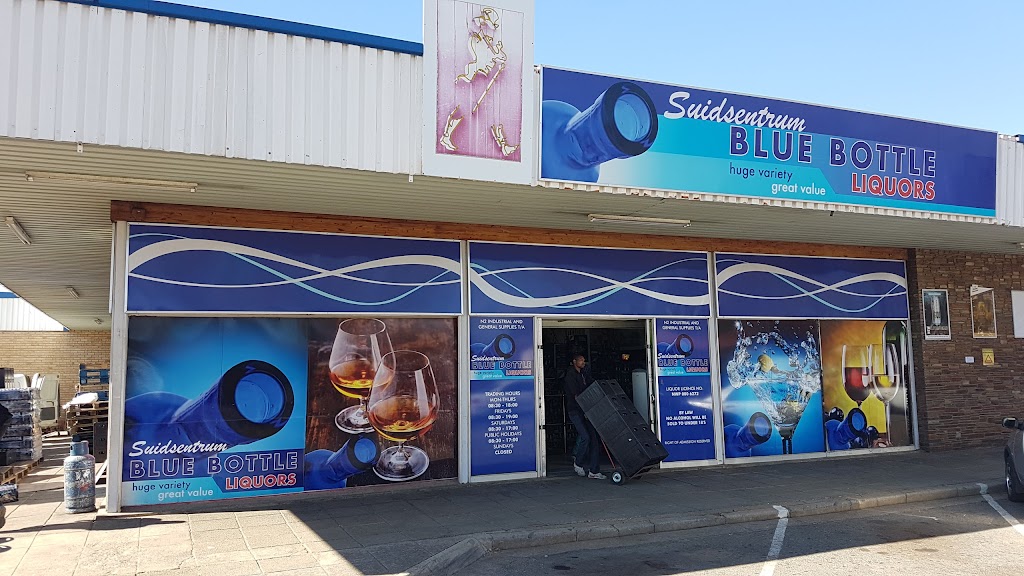
Blue Bottle Liquors’ franchise cost isn’t what it seems—because it’s not a franchise. It’s a partnership for independent stores to punch above their weight. No hefty fees. No loss of control. Just tools to save money and draw customers. For store owners eyeing growth in South Africa’s bustling liquor scene, joining could be a game-changer. Crunch the numbers. Weigh the freedom. Then decide.
Get the latest entrepreneurial success stories, expert tips, and exclusive updates delivered straight to your inbox — Sign up for Entrepreneur Hub SA’s newsletter today!