Skip to content

Picture this: South Africa’s retail sector rakes in over R1 trillion annually, and supermarkets claim a hefty slice. Entrepreneurs eyeing that pie often wonder about the “Usave franchise cost”—a tempting prospect given Usave’s reputation for no-frills, low-cost shopping. Here’s the kicker. Usave stores, part of the Shoprite Group, don’t offer franchise opportunities. They’re corporate-owned, locked tight under the group’s control. Disappointing? Maybe. But don’t walk away yet! The Shoprite Group opens doors elsewhere—specifically through its OK brand franchises. This article unpacks that reality, digs into actionable alternatives, and delivers the nitty-gritty on costs, steps, and potential payoffs for anyone ready to step into South Africa’s supermarket game.
Why Usave Stays Corporate—and What That Means for You
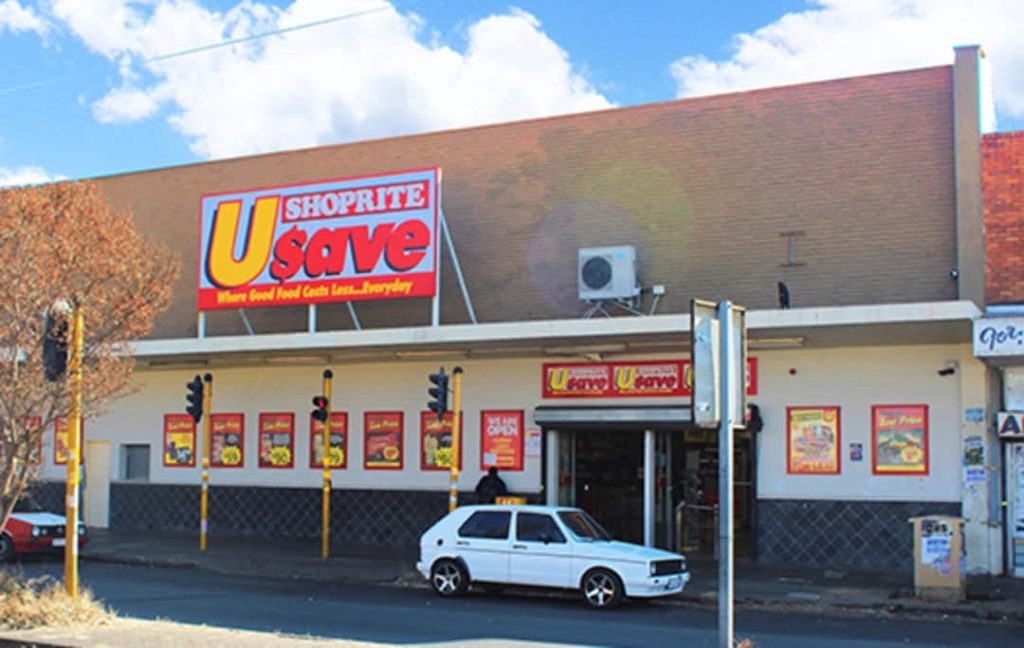
Usave stores thrive on a simple promise: basic goods at rock-bottom prices. Launched in 2001 in Stellenbosch, the brand now boasts over 484 outlets across South Africa’s nine provinces. Small, efficient, and laser-focused on lower-income markets, they’re a goldmine for the Shoprite Group. But here’s the catch—they’re not for sale. Unlike traditional franchise models, where individuals buy into a brand and run their own show, Usave remains a corporate beast. Shoprite Holdings keeps full ownership, leveraging its massive supply chain and centralized control to keep prices low and profits steady.
That’s not a dead end, though. Shoprite doesn’t shut out franchisees entirely. The group’s OK Franchise Division—think OK Foods, OK MiniMark, and OK Express—offers a way in. These stores tap into the same retail empire, serving varied markets from affluent suburbs to middle-income hubs. Want to know the real cost of joining? Let’s break it down.
OK Foods: Your Shoprite Franchise Gateway
Forget Usave for a second. OK Foods is where the action happens. With over 400 stores across Southern Africa, it’s the Shoprite Group’s franchise flagship. Costs vary—location, store size, and format all play a role—but ballpark figures give a solid starting point. Setting up a new OK Foods store typically runs between R6 million and R10 million. That’s not pocket change. It covers equipment, stock, signage, and a contribution to working capital. Plus, there’s an initial franchise fee—often R100,000 to R200,000, depending on the deal.
Compare that to competitors. A Pick n Pay franchise starts around R10 million, while a KwikSpar might hit R6 million to R7 million. OK Foods sits in a sweet spot—accessible yet backed by Shoprite’s muscle. Monthly fees? Expect 1% of turnover for marketing and a management fee, often 4% to 7%. It’s a trade-off: you pay for the brand, but you get supply chain power and a loyal customer base.
Usave Franchise Cost: The Myth and the Reality
Let’s tackle the elephant in the room: the “Usave franchise cost” doesn’t exist. Zilch. Nada. Shoprite Holdings designed Usave as a corporate chain, not a franchise opportunity. Why? Control. By owning every store, they dictate pricing, stock, and expansion—key to their low-cost model. The Usave eKasi container stores, built from shipping containers at 180m² to 250m², are a perfect example. Flexible, cheap to deploy, and aimed at rural or underserved areas, they’re a corporate innovation—not a franchisee’s playground.
So, if someone’s pitching a Usave franchise, run. It’s a mirage. The real opportunity lies in OK stores, where Shoprite hands over the reins (with strings attached). Curious about the numbers? An OK Grocer franchise, for instance, might list for R2.85 million on Shoprite’s site for an existing store—far less than building anew.
Step-by-Step: How to Buy an OK Franchise
Ready to jump in? Here’s the playbook. First, check Shoprite’s OK Franchise Division website (okfd.com). They post available stores monthly—existing outlets for sale or new sites seeking owners. Pick one that fits. A small OK MiniMark in a rural spot might cost less than a bustling OK Foods in Johannesburg.
Next, qualify. Shoprite wants South African citizens with retail experience—or at least the grit to learn fast. A permanent address and clean financials help too. Submit an inquiry with your details and preferred store. If they bite, expect an interview. They’ll grill you on business acumen and commitment.
Once approved, crunch the numbers. Say you’re eyeing a R7 million setup. You’ll need 40% unencumbered cash—R2.8 million—plus financing for the rest. Shoprite often partners with banks to ease this. Sign the contract (five to ten years, typically), pay the franchise fee, and get training. Then, stock up, hire staff, and open the doors. Simple? Not quite. But doable with focus.
What You Get—and What You Give Up
Franchising with OK Foods isn’t a free-for-all. You’re buying into Shoprite’s ecosystem. That means access to 2,000+ suppliers, bulk buying power, and a brand customers trust. The OK Count On! loyalty card sweetens the deal—shoppers earn cashback, keeping them coming back. Sales figures? OK Foods contributed to Shoprite’s R11 billion Usave segment in FY2024, hinting at solid returns.
The flip side: control shrinks. You can’t tweak signage, add products, or shift pricing without approval. Fees eat into profits too—5% of turnover could mean R50,000 monthly on a R1 million store. Weigh that against the stability of a proven model. It’s a calculated bet.
Profit Potential: Can You Make It Work?
Numbers don’t lie. Shoprite’s franchise division manages over 500 stores, with OK outlets averaging R500,000 to R1.5 million in monthly turnover, per industry estimates. Margins? Food retail hovers at 5% to 10% net profit after expenses. For a R1 million turnover store, that’s R50,000 to R100,000 monthly—before fees. Pay off the initial investment in five years, and you’re banking steady cash.
Location matters. An OK Express at a busy forecourt might outpace a quiet OK Grocer. Foot traffic, competition, and local income levels dictate success. Research your spot—Shoprite’s team can help, but it’s your call.
Beyond OK: Comparing the Market
Shoprite isn’t the only game in town. Spar offers KwikSpar (R5 million+) and SuperSpar (R10 million+), with 1% guild fees. Pick n Pay’s R13 million entry leans on flexibility—less rigid than Shoprite’s rules. Both lack Shoprite’s scale—3,417 stores across Africa—but offer more creative freedom. Boxer, soon to IPO, isn’t franchising yet either. OK Foods wins on cost-to-support ratio, but it’s not one-size-fits-all.
The Long Game: Scaling Your Franchise

One store’s just the start. Top OK franchisees run six or more, leveraging Shoprite’s network. Reinvest profits, buy existing stores (R2 million to R4 million each), and build a mini-empire. Shoprite’s expansion—68 new stores in 2024—shows growth potential. Stick to their playbook, and you’re riding a wave.
Sasol Franchise Opportunities: Your Guide to Success in SA
Wrapping Up: Usave Franchise Cost and Your Next Move
The “Usave franchise cost” dream stops short—it’s a corporate lockbox, not a franchise key. But don’t despair! Shoprite’s OK brand delivers real opportunities, from R6 million startups to R2 million resales. Entrepreneurs can tap into a retail giant’s backbone, serving communities and pocketing profits. Research, qualify, invest, and execute. That’s the path. South Africa’s supermarket scene is wide open—grab your slice.
Get the latest entrepreneurial success stories, expert tips, and exclusive updates delivered straight to your inbox — Sign up for Entrepreneur Hub SA’s newsletter today!