Skip to content
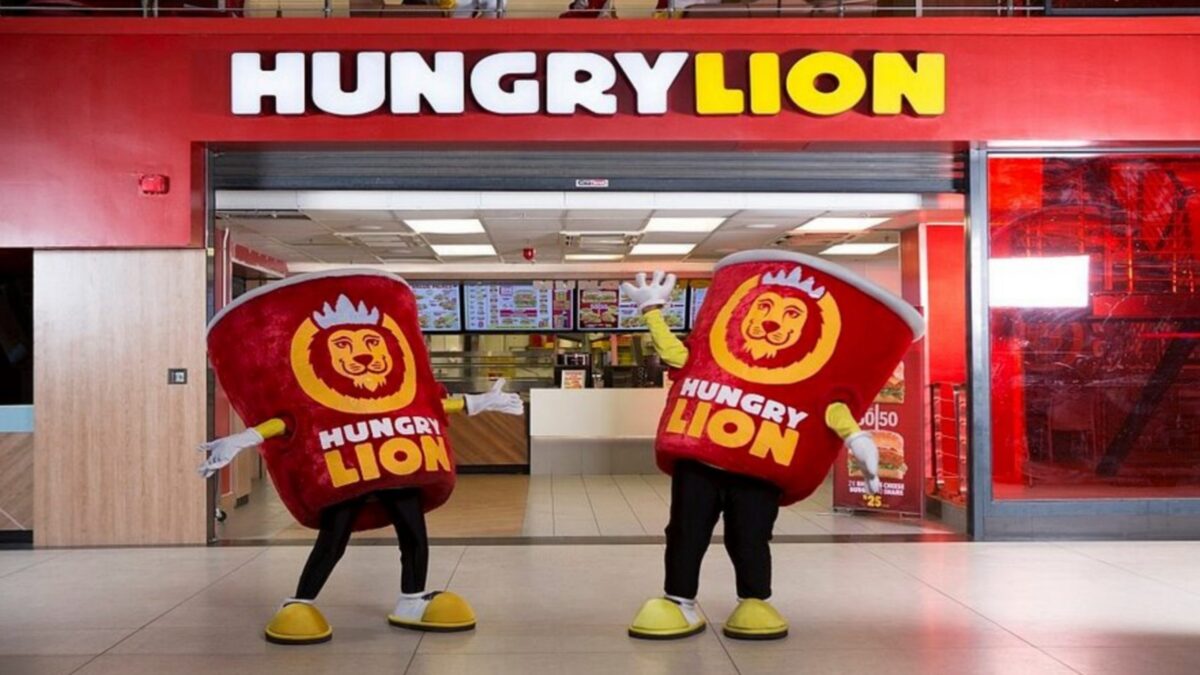
South Africa’s fast-food scene is booming. Over 16 million people devoured meals from the top five chains last month—more than voted in the recent election. Hungry Lion, with its crispy fried chicken and generous portions, sits proudly among them. For entrepreneurs eyeing a slice of this market, one question looms large: what’s the Hungry Lion franchise cost in 2025? This isn’t just about cash—it’s about unlocking a proven brand with over 300 stores across Africa. Buckle up. This guide breaks down the numbers, the process, and the potential, step by actionable step.

Hungry Lion isn’t a small player. Founded in 1997 in Stellenbosch, it’s grown from a single eatery to a network spanning South Africa, Zambia, Namibia, Botswana, Swaziland, and Angola. The chain’s secret? Bigger pieces, more chips, and a knack for turning fast food into a community experience. Unlike many competitors, most Hungry Lion stores are corporate-owned. But as expansion accelerates—aiming for 650 stores in the next few years—franchise opportunities are emerging. Here’s what it takes to join the roar.
The Roots of Hungry Lion: Why It Matters
Hungry Lion started small. A single store in Eikestad Mall served up fried chicken to students and locals. Word spread fast. By year’s end, four more outlets popped up, including two in Zambia. The brand’s focus on quality ingredients and king-sized portions struck a chord. Fast forward to 2025, and it’s a powerhouse with 6,500 employees and a reputation for joy—through food and opportunity.
The company’s journey took a big leap in 2014. It split from Shoprite, rebranded, and went independent. CEO Adrian Basson calls it an “Afro-optimistic” venture, betting on retail to spark jobs and growth across the continent. That vision fuels its expansion—and opens doors for franchisees. But first, the costs. Let’s dig in.
Hungry Lion Franchise Cost: The Breakdown
Owning a Hungry Lion franchise isn’t cheap. It’s a serious investment with serious potential. While exact figures vary by location and store size, here’s a detailed estimate based on industry trends, Hungry Lion’s growth plans, and fast-food franchise norms in South Africa as of April 2025. Note: Hungry Lion is still refining its franchise model, so these numbers draw from comparable chains like KFC and Chicken Licken, adjusted for Hungry Lion’s unique setup.
Initial Franchise Fee
Every franchise starts with a handshake—and a fee. For Hungry Lion, expect an initial franchise fee between R150,000 and R250,000. This buys you the right to use the brand, access training, and tap into their systems. It’s a one-time cost, but it’s just the beginning. Compare that to KFC’s R300,000 or Nando’s R200,000—it’s competitive for a chain on the rise.
Setup Costs: Building the Store
Next up: turning an empty space into a Hungry Lion. This is the big-ticket item. Construction, equipment, and fittings can range from R2.5 million to R4 million, depending on where you’re setting up. Urban hubs like Johannesburg or Cape Town lean toward the higher end—think R3.5 million-plus. Rural spots might dip closer to R2.5 million.
What’s included? Kitchen gear like fryers and grills, counters, seating, and signage. Hungry Lion prides itself on bold branding—those lion logos don’t come cheap. A typical store spans 150–300 square meters, so size matters. Pro tip: scout existing retail spaces to cut construction costs. Renovating beats building from scratch every time.
Working Capital
You’ll need cash to keep the lights on before profits roll in. Working capital covers rent, staff wages, and inventory for the first 3–6 months. Budget R500,000 to R1 million here. Rent varies wildly—R20,000 monthly in a small town, R50,000 or more in a mall. Staff? A crew of 10–15 at minimum wage (around R25/hour in 2025) adds up fast. Then there’s chicken, oil, and chips. Stocking up isn’t optional.
Total Investment
Add it all up. The Hungry Lion franchise cost lands between R3.15 million and R5.25 million to get started. That’s not pocket change. Most franchisees need 60% of this in unencumbered cash—R1.9 million to R3.15 million—before banks will touch the rest. Got that kind of capital? You’re in the game. If not, start saving—or find a partner.
Ongoing Fees
The costs don’t stop once the doors open. Hungry Lion will likely charge a royalty fee—5–7% of monthly net sales is standard for fast food. That’s R25,000–R35,000 if your store pulls in R500,000 a month. Plus, a marketing fee—say 2–3%—keeps the brand buzzing. These fees fund HQ support and ads. They’re the price of staying in the pride.
Biggest Retailers in South Africa: 2025 Powerhouses
What You Get for Your Money
That’s a hefty sum. So what’s the payoff? A lot. Hungry Lion hands you a playbook refined over 28 years. Training covers everything—cooking, customer service, inventory. Their supply chain, built from Shoprite days, means reliable stock at decent prices. And the brand? It’s a household name. Walk into any township or city; people know the lion. That recognition drives foot traffic from day one.
The numbers back it up. Fast-food revenue in South Africa grew 41% above 2019 levels by 2024, per Eighty20. Hungry Lion’s 204 outlets (and counting) tap into that hunger. A well-run store in a busy spot can hit R400,000–R600,000 in monthly sales. After costs, profit margins hover at 15–20%. That’s R60,000–R120,000 a month in your pocket—once you’re rolling.
Get the latest entrepreneurial success stories, expert tips, and exclusive updates delivered straight to your inbox — Sign up for Entrepreneur Hub SA’s newsletter today!