Skip to content
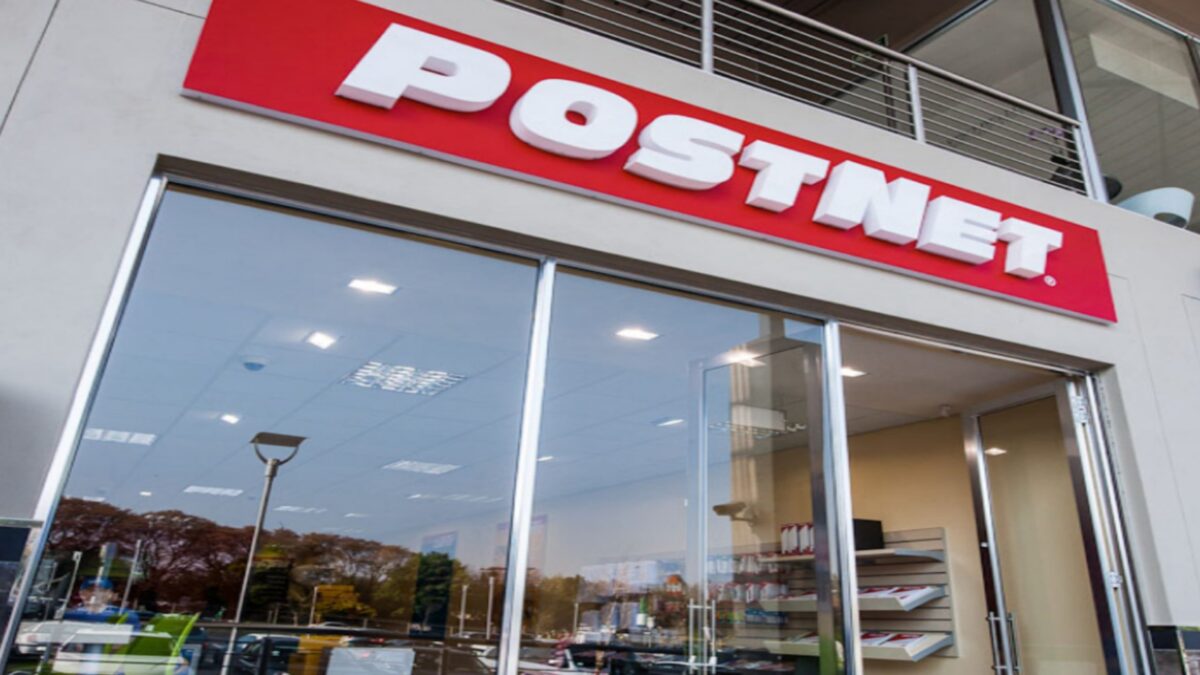
Picture this: over 40,000 franchise businesses hum across South Africa, employing half a million people, according to the Franchise Association of South Africa (FASA). That’s a powerhouse of opportunity! Among them, PostNet stands out—a courier and business services giant that’s been thriving since 1994. For anyone eyeing a slice of this market, the PostNet franchise cost is the golden ticket to understanding what it takes to join this network of over 480 owner-operated stores. This isn’t just about buying a business; it’s about stepping into a proven system with a massive customer base—over 75,000 walk-ins daily nationwide.

Franchising offers a shortcut to entrepreneurship. No need to invent the wheel when the blueprint’s already there. PostNet delivers that blueprint with a mix of courier, printing, and digital services tailored for South Africa’s bustling communities. But what does it really take to own one? This article breaks it down—costs, steps, funding, and all the nitty-gritty details a professional needs to make a smart move.
Why Choose a Franchise Like PostNet?
Franchises strip away the guesswork. When someone buys into a franchise, they’re not starting from zero—they’re plugging into a system with established branding, operations, and support. PostNet’s appeal lies in its versatility. It’s a one-stop shop: courier services, printing, internet stations, even criminal record checks. South Africans rely on these hubs daily, especially as the state-owned post office fades into irrelevance.
The numbers back this up. FASA reports the franchise sector’s resilience, even in tough economic climates. PostNet itself claims to serve millions monthly, a testament to its foothold. For professionals weighing options, this isn’t just a business—it’s a chance to tap into a growing demand for reliable, privatized services.
PostNet Franchise Cost: What’s the Price Tag?
Let’s cut to the chase: the PostNet franchise cost starts at around R800,000. That’s the total investment package, covering everything from setup to initial operations. Break it down further, and the franchise fee—the upfront price for the rights to operate under PostNet’s banner—is R95,000. Simple enough, right? But here’s the kicker: PostNet demands 50% of that total (R400,000) as unencumbered cash. No loans or IOUs for that chunk—it’s got to be liquid, ready to roll.
That R800,000 isn’t set in stone, though. Store size, location, and landlord deposits can nudge it higher. Some sources peg it closer to R1 million, depending on variables like urban versus rural setups. Want a prime spot in Johannesburg? Expect costs to climb. A smaller store in a quieter town? It might dip slightly below that mark. Either way, it’s a hefty sum—but compared to giants like KFC (R6 million) or Spar (R5 million+), PostNet sits in a more accessible tier.
Ongoing fees matter too. PostNet charges a 9% combined marketing and management fee. That’s R9 out of every R100 in revenue, funneled back into brand support and local promotion. It’s not cheap, but it keeps the network strong. Factor that into the budget from day one.
What’s Included in the PostNet Franchise Cost?
Paying R800,000-plus isn’t just handing over cash for a logo. It’s an investment in a turnkey operation. The franchise fee (R95,000) unlocks the PostNet system—think training, marketing tools, and access to their operational know-how. The rest covers setup: lease deposits, equipment (printers, computers, counters), initial stock (stationery, packing materials), and a buffer for opening day.
Training’s a big piece. PostNet doesn’t skimp here—two weeks in-store, hands-on, plus two weeks at their Midrand academy. It’s compulsory, no exceptions. New owners hit the ground running, equipped to handle everything from shipping logistics to customer quirks. That’s a lifeline for professionals new to retail or courier ops.
The store itself? Typically 700 to 1,200 square feet, though it varies. Urban hubs might need more space; rural outposts less. Equipment costs depend on scale—high-end printers and robust IT systems aren’t cheap, but PostNet leverages partnerships to keep in-house tech lean. It’s a smart move, trimming the startup burden compared to competitors.
Steps to Owning a PostNet Franchise
So, the PostNet franchise cost is clear—but how does someone actually get started? It’s a process, not a sprint. Here’s the roadmap.
First, research the market. Location is king. PostNet thrives where people need quick, reliable services—think busy suburbs, small towns without post offices, or commercial zones with foot traffic. Analyze demographics, competition, and demand. A spot near a university or business park could be gold; a sleepy village with no courier needs, not so much.
Next, reach out to PostNet. Their website has a franchise inquiry form—fill it out. Prefer email? Hit sales@postnetsa.co.za with questions. They’ll respond with details and an application. Be ready to share financials and intent—they’re picky about who joins the family.
Once approved, secure funding. That R400,000 cash requirement looms large. Got it in savings? Great. If not, loans are the next stop—more on that soon. With cash in hand, sign the franchise agreement, pay the R95,000 fee, and lock in the total investment.
Then, it’s build time. PostNet helps scout locations and negotiate leases. Construction and setup take 90 to 180 days, depending on the site. Training kicks in before launch—four weeks total, split between classroom and real-world practice. Finally, open the doors. Day one is nerve-wracking, but PostNet’s support team sticks around for the first week, smoothing the transition.
Funding Your PostNet Franchise: Options and Tips
Cash flow’s the lifeline of any franchise. Not everyone has R400,000 sitting around, and that’s fine—funding options exist. Here’s what works.
Term Loans: Banks like Standard Bank or Absa offer these. Borrow a lump sum—say, R500,000—repay it monthly with interest over five years. Rates hover around 10-12% in South Africa, so crunch the numbers. A R500,000 loan at 11% over five years means roughly R13,200 monthly. Manageable with solid revenue.
Working Capital Loans: Need a cushion for early months? These cover rent, staff, and stock until sales stabilize. Smaller amounts, shorter terms—think R100,000 over a year. Interest’s higher, but it’s flexible.
Inventory Loans: Specific to gear and supplies. Finance printers or packing materials separately, spreading costs. PostNet’s equipment list comes with Rand values—use it to pitch lenders.
Where to apply? Traditional banks are a go-to. Nedbank and FNB have franchise desks—bring a business plan, proof of PostNet approval, and six months’ bank statements. Credit score matters; keep it above 600. The National Empowerment Fund (NEF) offers up to R10 million for B-BBEE applicants—check eligibility. Masisizane Fund targets SMMEs with enterprise loans—less red tape, but smaller amounts.
One tip: don’t overborrow. A loan’s only smart if repayment fits the cash flow. PostNet claims R1.2 million in average annual sales per store. Assuming a 15% profit margin (industry standard), that’s R180,000 yearly profit—R15,000 monthly. A R13,000 loan payment leaves little wiggle room. Scale borrowing to match realistic earnings.
What PostNet Expects From Franchisees
PostNet doesn’t just want cash—they want the right people. Their website lists traits: team players, people-oriented, detail-focused, energetic, enthusiastic, financially savvy. It’s not fluff. Running a store means juggling customers, staff, and logistics daily. Miss a detail, and a shipment’s late. Lack energy, and the team slumps.
Financial readiness is non-negotiable. Beyond the R400,000 cash, PostNet expects franchisees to handle ongoing costs—rent, wages, that 9% fee—without buckling. They call franchisees “business partners” for a reason: it’s a two-way commitment. Show up unprepared, and it’s a quick exit.
Training’s mandatory, but it’s also a filter. Those four weeks reveal who can hack it. PostNet’s watching—can this person manage a counter network serving 75,000 customers daily? Prove it, and the keys are yours.
Breaking Down Profit Potential
Here’s the million-rand question: does the PostNet franchise cost pay off? Revenue’s the clue. PostNet reports R1.2 million in average yearly sales per store. That’s R100,000 monthly. Subtract costs—rent (R15,000, say), staff (R30,000 for two employees), fees (9% of revenue, R9,000), utilities (R5,000)—and operating expenses hit R59,000. Gross profit: R41,000 monthly, or R492,000 yearly.
Profit margins vary. Printing and courier services often net 15-20%. At 15%, that’s R180,000 annual profit; at 20%, R240,000. Not bad for an R800,000 investment—return in three to four years, assuming steady sales. Location drives this. A busy Pretoria store might clear R1.5 million; a rural outpost, R800,000. Test the market before betting big.
Compare that to competitors. A 3@1 franchise costs R595,000 but averages lower revenue—around R700,000 yearly. PostNet’s higher entry price buys a bigger slice of the pie. Riskier, sure, but the reward scales too.
Actionable Steps to Get Started Today
Ready to move? Here’s the playbook.
- Assess Finances: Check savings. Got R400,000 cash? If not, list assets—property, investments—to leverage for loans. Aim for R800,000 total capacity.
- Research Locations: Walk neighborhoods. Count foot traffic, spot competitors, gauge demand. A strip mall near offices beats a dead-end street.
- Contact PostNet: Submit the online form or email sales@postnetsa.co.za. Ask for the latest cost breakdown—prices shift with inflation.
- Build a Business Plan: Outline costs, revenue goals, and a three-year projection. Banks and PostNet will demand it. Use R1.2 million sales as a baseline.
- Secure Funding: Pitch banks or the NEF. Bring PostNet approval, ID, financials, and that plan. Negotiate terms—lower interest saves thousands.
- Sign and Setup: Pay the R95,000 fee, finalize the lease, and start buildout. Lean on PostNet’s real estate team—they know the drill.
- Train Hard: Ace the four-week program. Master the systems—courier software, pricing, customer flow—before launch.
Don’t dawdle. Prime spots vanish fast, and South Africa’s franchise boom won’t wait. Act now, and this could be the year a PostNet store bears your name.
Biggest Retailers in South Africa: 2025 Powerhouses
The Bigger Picture: Is It Worth It?

South Africa’s franchise sector isn’t slowing down. FASA’s 40,000+ businesses signal a market hungry for proven models. PostNet fits that mold—480 stores, millions served, a brand that’s weathered three decades. The PostNet franchise cost—R800,000 and up—mirrors its scale. It’s not the cheapest (Dream Nails runs R400,000), but it’s not KFC’s R6 million either. It’s a middle ground with muscle.
For professionals, this is the draw: a business with structure, support, and a customer base baked in. The cost stings upfront, but the payoff—potentially R200,000 yearly profit—balances the scales. Weigh the risk, scout the spot, crunch the numbers. If it fits, the PostNet franchise cost could be the price of a new career.
Get the latest entrepreneurial success stories, expert tips, and exclusive updates delivered straight to your inbox — Sign up for Entrepreneur Hub SA’s newsletter today!